
Dai Richards: Dartmouth Cabinet Makers
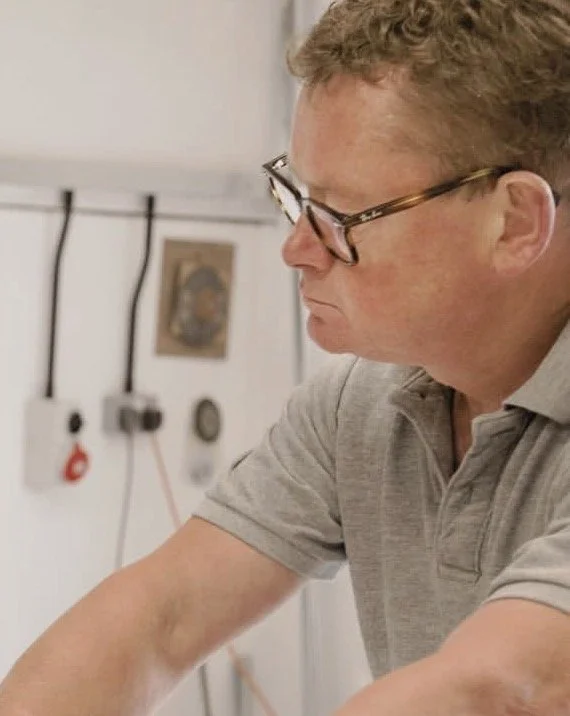
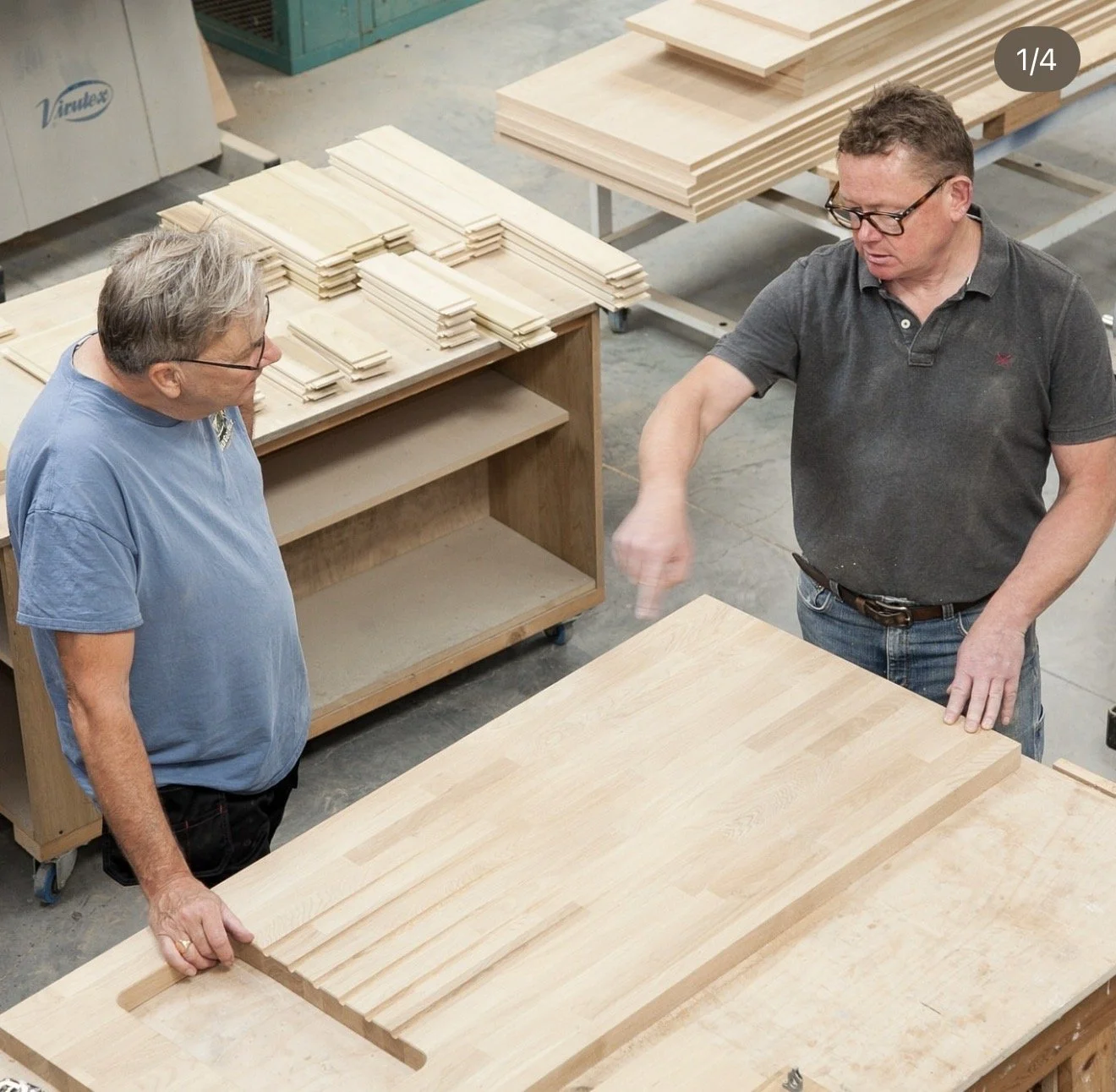
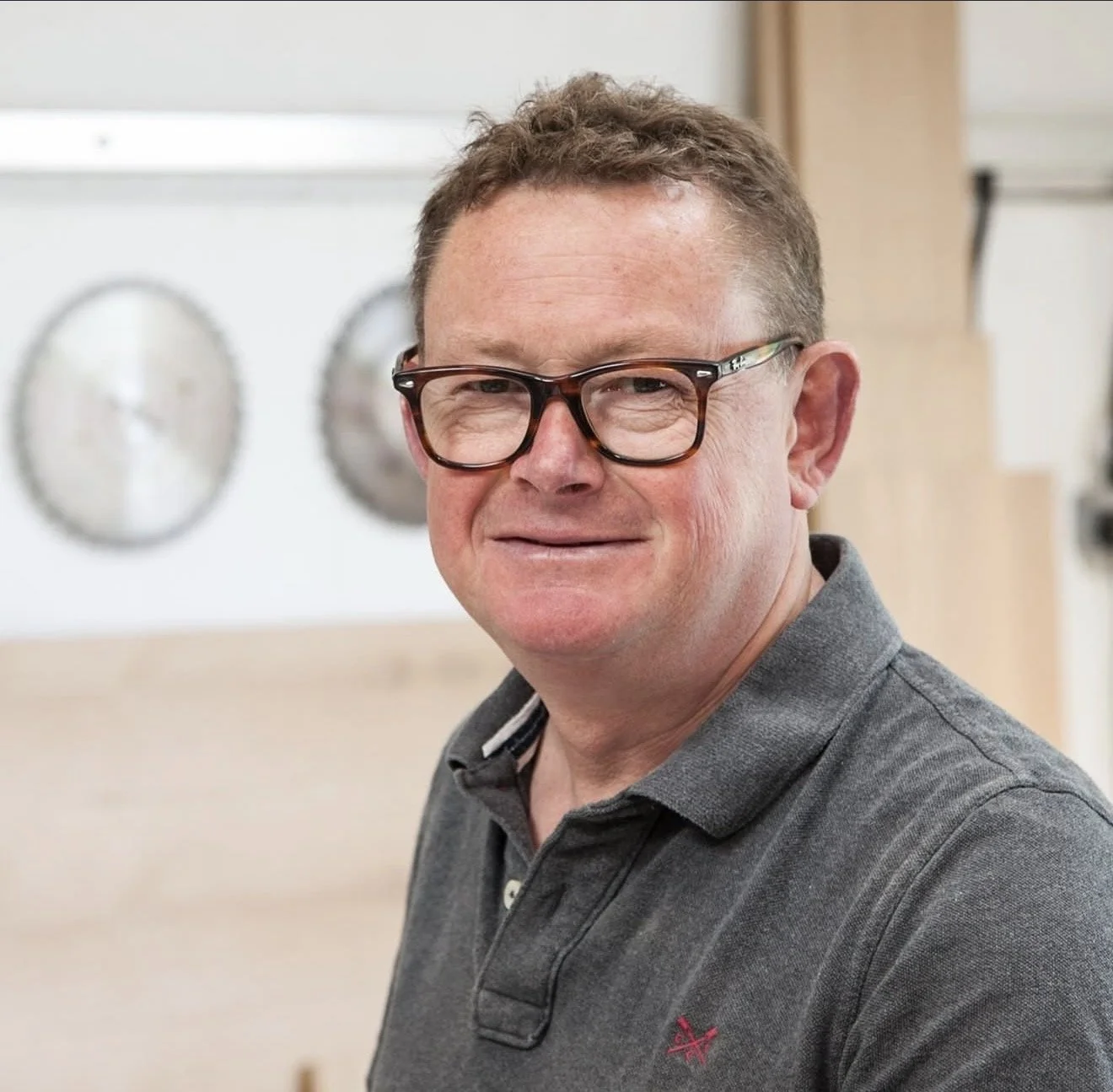
Dai Richards is known locally for his craftsmanship. Originally from South Wales and living in Dartmouth for 15 years, he has spent more than three decades designing and building furniture that is handmade to last for generations. Before founding Dartmouth Cabinet Makers, he trained as an industrial designer and went on to become a Retail Design Director, shaping showrooms and sales environments for major automotive and fashion brands.
Long before that, he was a rugby player.
Like many former players, Dai carried the remnants of that era well into midlife, broad shoulders, a strong base, and the assumption that he was still “reasonably strong.” But years in the workshop are not the same as years in the gym. Craft is physical, yes, but it is repetitive. It loads the same patterns over and over again. It demands endurance more than progressive strength.
By October 2025, Dai had a clear objective: increase his upper body strength properly. Not for aesthetics. Not to relive his twenties. But to feel capable, powerful and structurally resilient as he moved through his fifties.
When he started training consistently at Poseidon, we quickly established that while he had a solid foundation, his pressing and pulling strength were well below what his frame and his history suggested they could be. Years of manual work had built tolerance, but not progressive overload. His back strength in particular, the engine room for shoulder health and long-term durability, needed attention.
What followed was simple, structured and consistent.
We rebuilt his horizontal pulling strength first, controlled rows, scapular control, tempo work, rebuilding the posterior chain of the upper body. Pressing followed, progressing methodically from controlled dumbbell work to heavier barbell patterns once his shoulders demonstrated tolerance and stability. Nothing rushed. Nothing forced.
The result over the past year has been clear and measurable:
A 100% increase in upper body strength.
That is not a marketing phrase. It is a literal doubling of his pressing and pulling capacity from where he began.
More importantly, he feels it where it matters, in the workshop and in daily life. Long days handling hardwood no longer leave his shoulders fatigued. Lifting heavy sections into place feels controlled rather than taxing. His posture has improved. His back is stronger. The old rugby frame now has modern structure behind it.
For many men in their forties, fifties and sixties, particularly former athletes, there is a quiet shift that happens. The competitive edge fades, but the identity remains. They don’t necessarily want to “train like they used to.” They simply don’t want to decline.
Dai is a perfect example of what happens when that mindset meets structure.
He didn’t need extreme programming. He needed consistency, progression and proper coaching. Three sessions a week. Progressive overload. Technical accountability. No chaos. No circuits. No guessing.
Just strength training done properly.
There is also something fitting about this case. Dai builds furniture using traditional methods, crafted carefully, assembled precisely, designed to last. We approached his training in exactly the same way.
No shortcuts.
No fads.
Built properly.
Designed for longevity.
For men who once played rugby, worked hard, and still want to feel capable in their own body this is what sustainable strength looks like.
Not chasing youth.
Not proving a point.
Just becoming strong again.
