
Pilates: What It Does Exceptionally Well — and Where It’s Misunderstood
After some feedback on my recent posts about Pilates, I want to clarify my position.
I’m not anti-Pilates — I’m anti-misinformation.
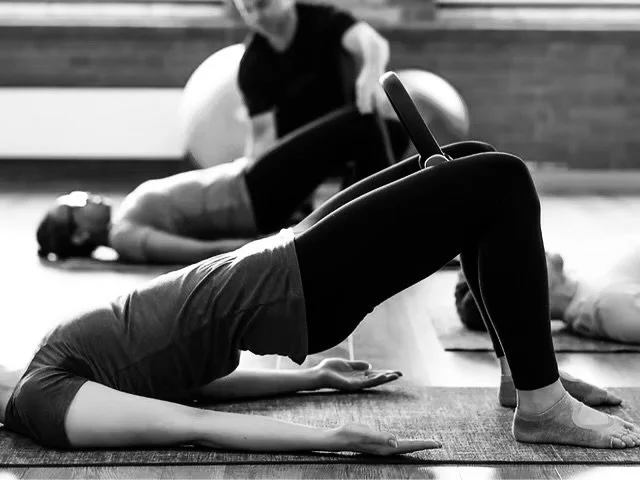
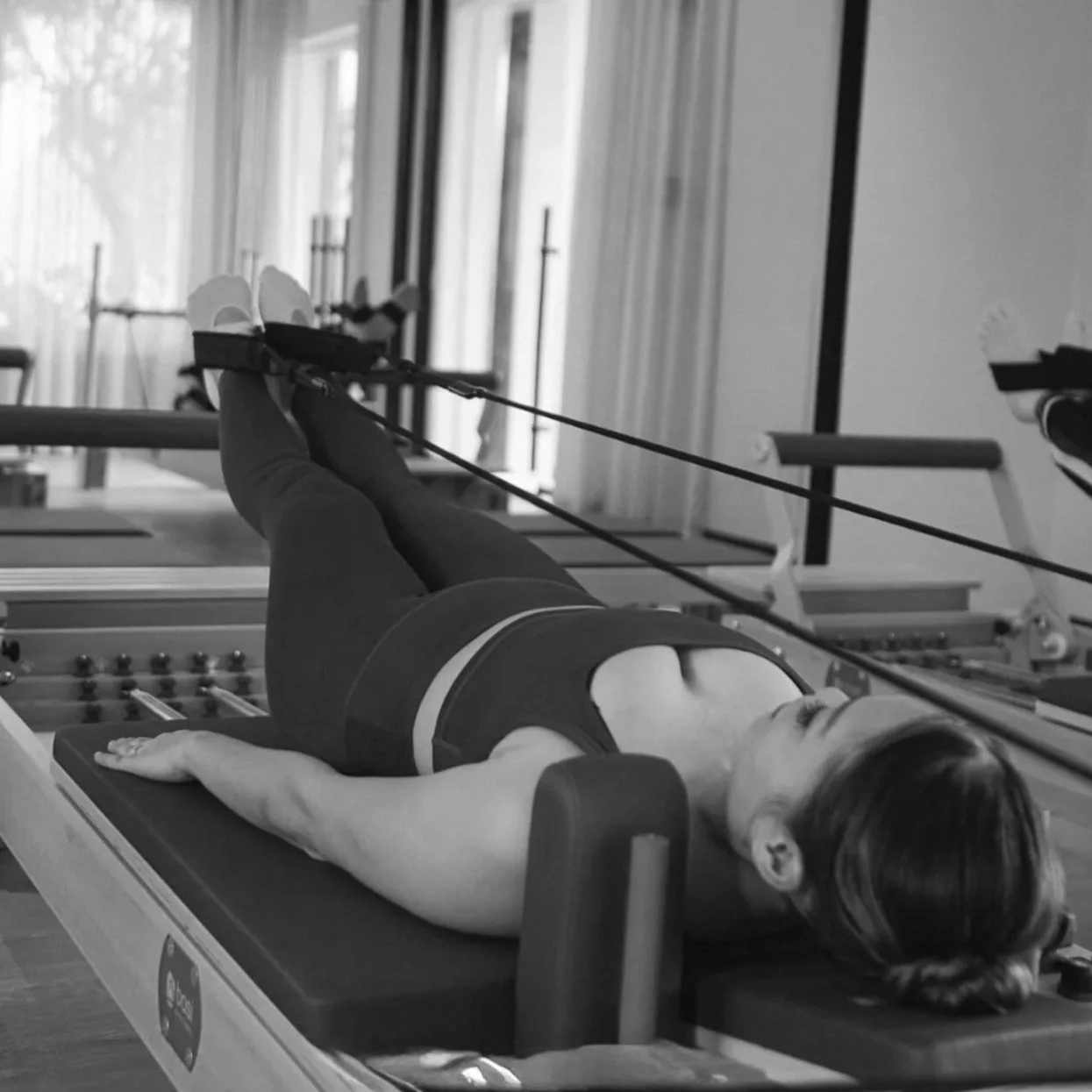
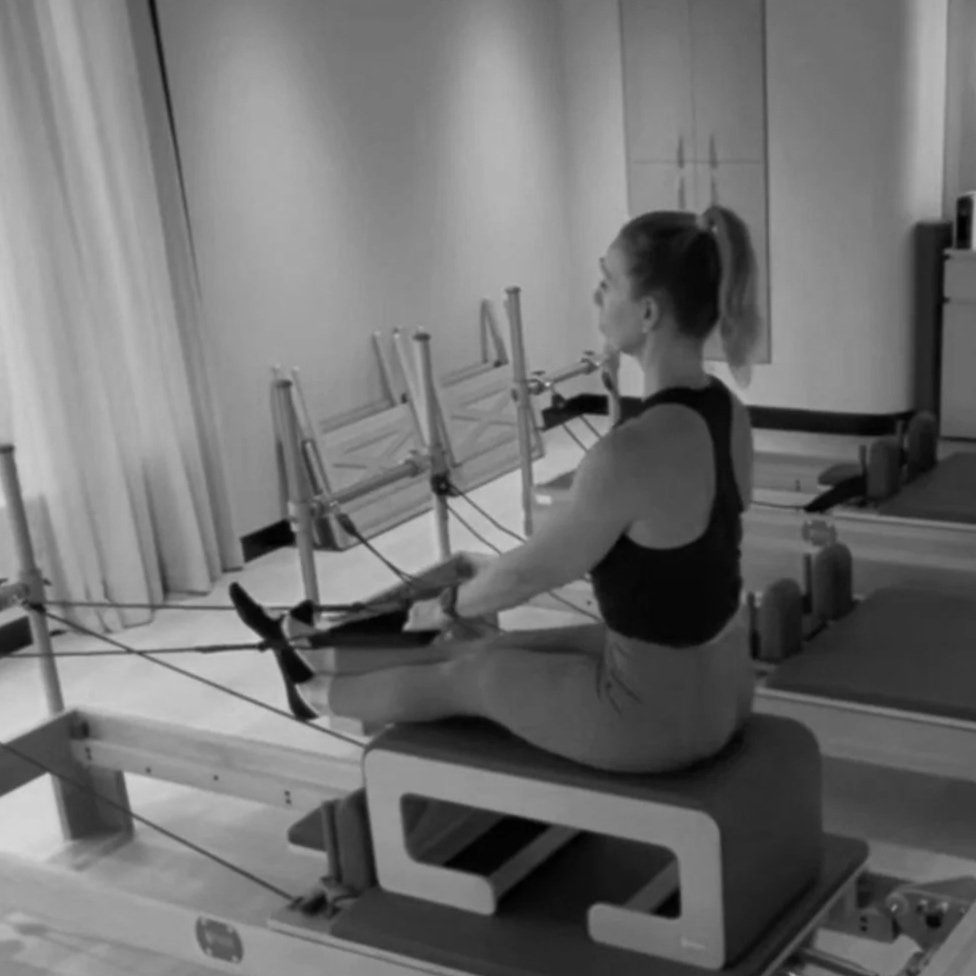
Pilates absolutely has value: it improves coordination, motor control, and body awareness.
But when it’s sold as strength training, rehabilitation, or longevity conditioning, that’s where the physiology stops adding up.
I’ve explored this before in The Problem with Pilates: Why It’s Not Enough for Strength or Rehab, but it bears repeating — we have to separate movement quality from physiological adaptation.
1. The Rise of the “Movement Guru”
Social media has created a generation of self-styled gurus who throw around terms like alignment, functional movement, and resilience without understanding what drives those qualities at a biological level.
Their language sounds technical, but it’s rarely underpinned by any grasp of the adaptation cycle: stress → recovery → adaptation.
As I broke down in Pilates Reformer — Does It Work? A Physiological Breakdown, when you analyse load, intensity, and tissue response, the gap between marketing and physiology becomes obvious.
2. What Pilates Really Does
Pilates refines control, not capacity.
It can improve proprioception, teach neutral alignment, and re-educate movement patterns — all valuable, particularly early in rehabilitation.
But, as detailed in Is Reformer Pilates Enough? A Critical Look for the Injury-Free Individual Seeking Longevity, it lacks the progressive overload necessary to stimulate measurable structural change.
Without sufficient load or intensity, the body doesn’t remodel — it just rehearses.
3. The Physiology They Don’t Teach
Here’s the foundation every instructor should know:
Stress: tissues must be challenged beyond their comfort zone
Recovery: the period of adaptation and repair
Progression: increasing the challenge so adaptation continues
Pilates doesn’t typically cross that threshold. Feeling better isn’t the same as becoming better.
That distinction was at the centre of my piece Pilates and the Illusion of Progress, where I examined why so many people plateau despite years of classes.
4. The Two Types of Instructor
From two decades in rehabilitation and performance, I tend to see two profiles:
The Uninformed Enthusiast — passionate but unaware of physiology.
The Professional Marketer — fully aware, but selling comfort because it converts.
Either way, clients are left misled about what their training is achieving.
It’s not arrogance to ask for evidence — it’s accountability.
5. The Missing Link: Load
You can’t breathe your way to tendon resilience.
You can’t stretch your way to bone density.
And you can’t control your core into a stronger nervous system.
Real change requires load — progressive, quantifiable stress that forces adaptation.
Pilates and similar methods have their place, but they’re supplementary, not foundational, to long-term resilience.
6. A Call for Clarity
This isn’t an attack on instructors; it’s a plea for precision.
If you teach Pilates, teach it honestly — as movement education, not strength training.
If you practise it, understand its limits and combine it with structured strength work.
Clients deserve transparency.
Physiology doesn’t care about trends — it only responds to stimulus.
Closing Thoughts
At Poseidon Performance, we use Pilates-style control work where it fits — as a neuromuscular primer, not a substitute for loading.
True strength and longevity come from integrating quality movement and progressive overload.
Control without capacity is choreography, not adaptation.
And in this field, truth matters more than trend.
Further Reading
