
Should Women Train Differently to Men?
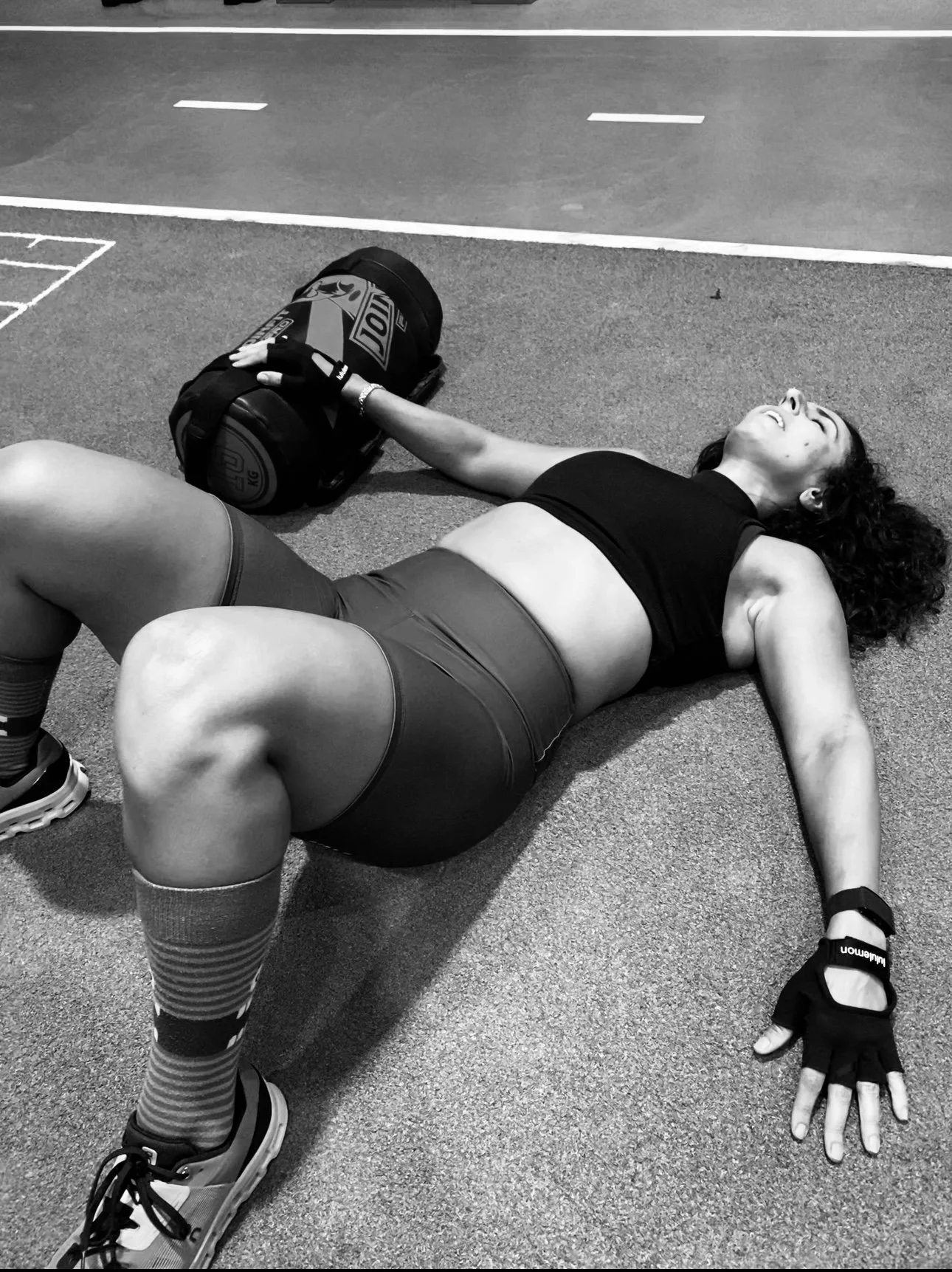

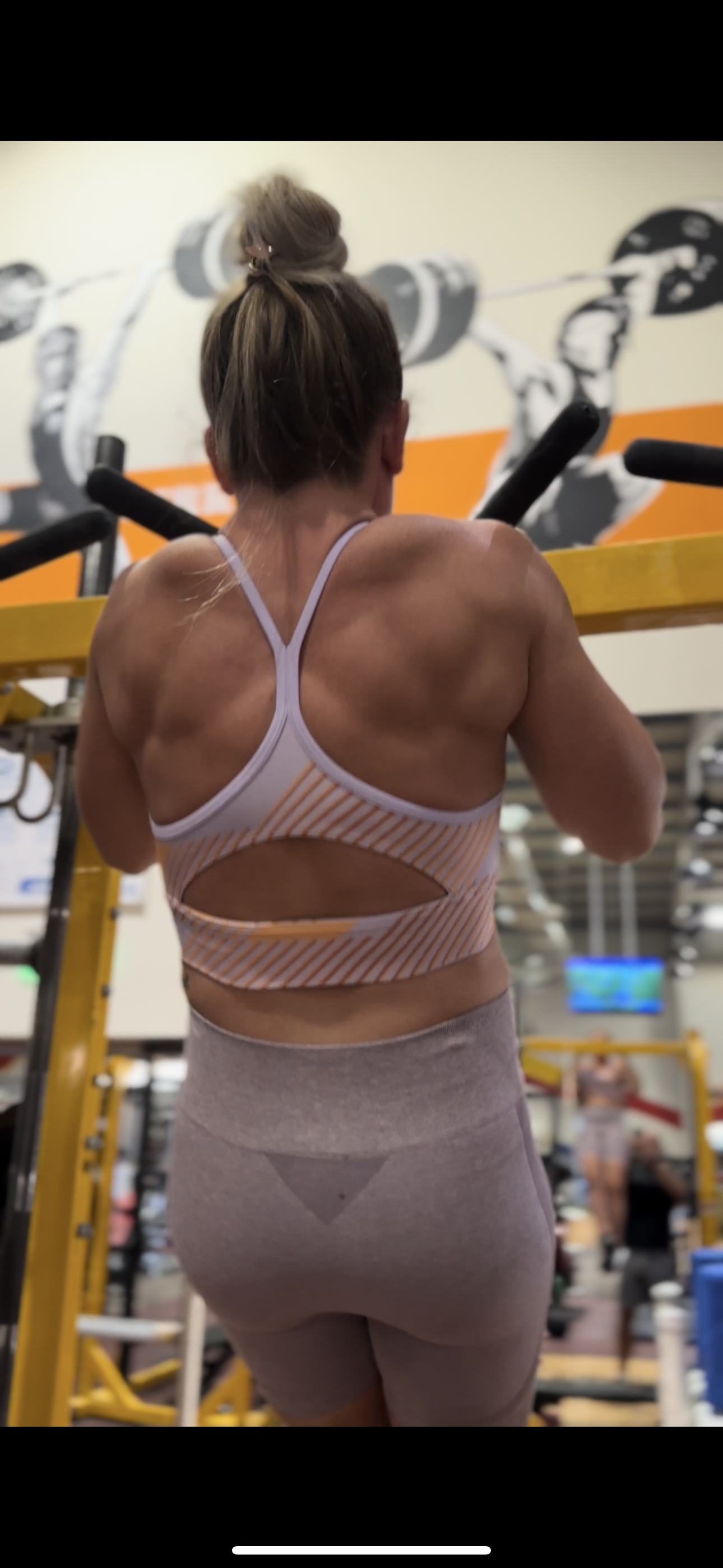
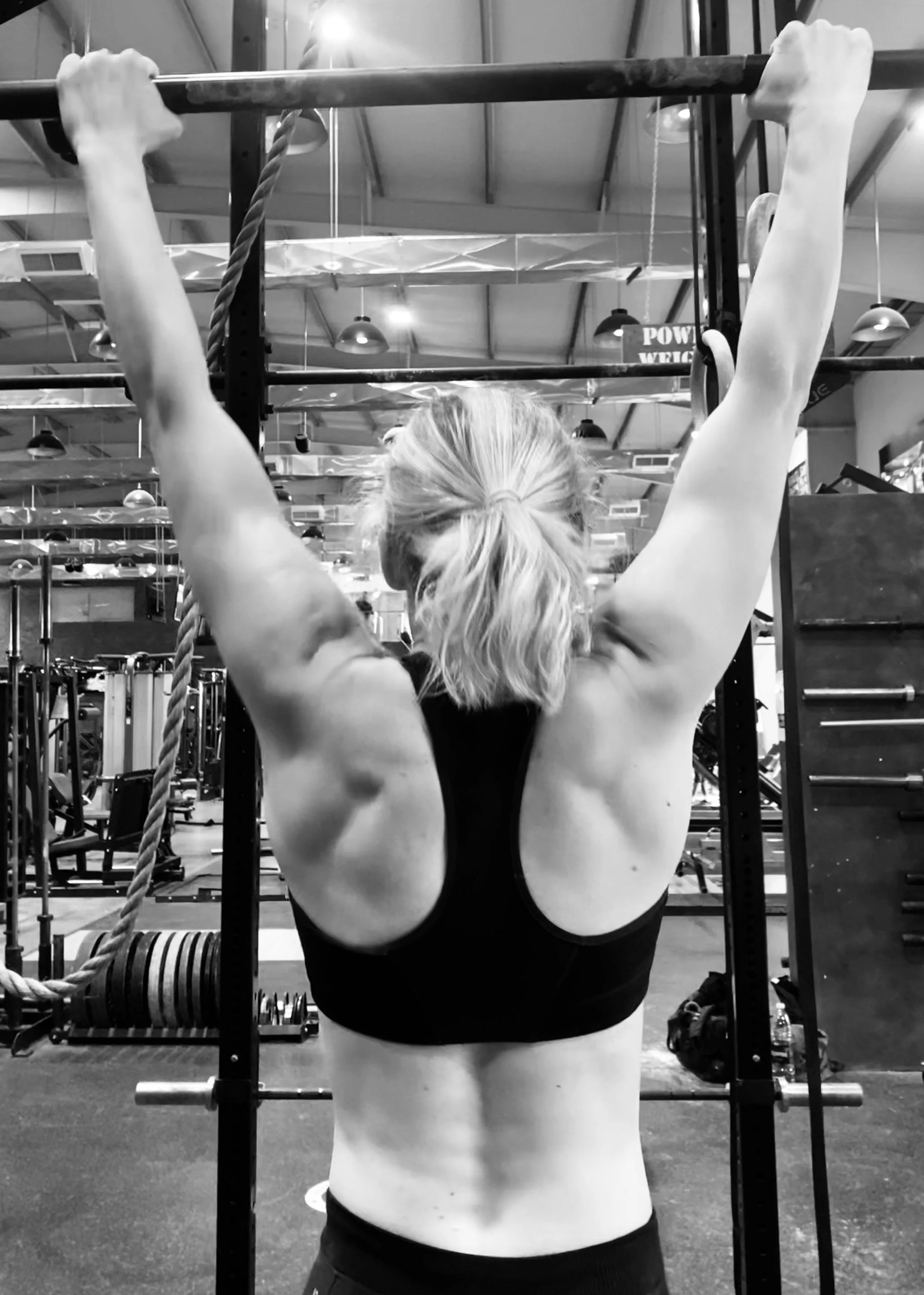
The question “Should women train differently to men?” refuses to disappear. It’s asked in gyms, clinics, podcasts, and online coaching programmes as if it’s a complex, unresolved debate.
It isn’t.
The discussion resurfaced recently following comments by Dorian Yates on the Huberman Lab with Andrew Huberman. Yates’ position was characteristically blunt: men and women should not train differently.
Stripped of social media noise, that statement is not controversial - it’s anatomical.
The Human Body Is Built on the Same Blueprint
From a musculoskeletal standpoint, men and women share the same underlying structure. The same muscles attach to the same bones, cross the same joints, and perform the same mechanical actions.
In practical terms:
Glutes extend the hip
Quadriceps extend the knee
Hamstrings flex the knee and assist hip extension
Latissimus dorsi extends and adducts the shoulder
Deltoids abduct the shoulder
These functions do not change based on sex.
Training is simply the application of stress to biological tissue. Muscle, bone, tendon, and ligament adapt according to predictable physiological rules. Those rules are governed by mechanics and cell biology—not by gender, aesthetics, or fitness trends.
Where the Idea of “Female-Specific Training” Came From
The belief that women must train differently did not originate in sports science. It originated in marketing.
For decades, women were told—explicitly or implicitly—that:
Lifting heavy would make them bulky
Strength training was masculine
Light weights and high reps would “tone” muscle
Burning calories mattered more than building capacity
These ideas were never grounded in physiology, but they were commercially effective. Fear-based reassurance sells far better than honest education.
The result is a fitness culture that often underloads women while presenting it as empowerment.
Hormones Change the Speed of Adaptation, Not the Rules
Yes, men and women differ hormonally. That matters—but not in the way most programmes suggest.
Hormonal differences influence:
The rate of muscle hypertrophy
Absolute strength ceilings
Certain aspects of recovery
They do not change:
How muscle fibres produce force
The requirement for progressive overload
The stimulus needed to improve bone density
The basic principles of training adaptation
Women generally gain muscle more slowly than men. That is a difference in timescale, not in training logic. The solution is realistic expectations—not watered-down programming.
Strength Training Is Not Gendered
When training variables are matched, research consistently shows that women respond extremely well to resistance training.
Well-structured strength training in women is associated with:
Increased lean muscle mass
Improved bone mineral density
Greater joint stability and injury resilience
Improved metabolic health
Better long-term functional capacity
None of these outcomes require “female-specific” exercises or aesthetic-driven routines. They require appropriate load, consistency, and progression.
Individualisation Matters—Sex-Based Programming Does Not
This is where intelligent coaching is often misunderstood.
Training should be individualised—but not reduced to gender categories.
Relevant factors include:
Training age and movement competence
Injury history and current limitations
Limb lengths, pelvic structure, joint morphology
Load tolerance and recovery capacity
Sleep, stress, and lifestyle demands
Sex alone is a blunt and often misleading programming variable.
Two women may need entirely different training approaches. A woman and a man with similar structures, histories, and goals may train almost identically. That is not ideology—it is applied biomechanics.
Why “Female-Specific” Fitness Often Fails Over Time
Much of what is marketed as female-specific training is simply under-loaded training with better branding. It prioritises variety, calorie burn, and novelty over progression and adaptation.
Over time, this commonly leads to:
Limited strength development
Insufficient bone-loading stimulus
Reduced tolerance to load and impact
A widening gap between effort and outcome
This becomes particularly problematic as women age, when maintaining muscle mass, bone density, and connective tissue integrity is no longer optional—it is essential for independence and longevity.
What This Means in Practice at Poseidon Performance
At Poseidon, this philosophy is not theoretical—it’s applied.
In practice, that means:
Men and women train under the same principles
Load is scaled to the individual, not their sex
Strength work is progressive, not performative
Technique and tissue tolerance come before fatigue
Long-term resilience is prioritised over short-term aesthetics
Women are not protected from load here—they are coached into it appropriately.
Why Dorian Yates’ View Still Holds Weight
Yates trained in an era defined by mechanical reality rather than algorithmic trends. His success was built on understanding load, effort, and recovery—not novelty or optics.
When someone with that background says women should not train differently, it isn’t dismissive. It’s precise.
Muscle responds to tension.
Bone responds to load.
Tendon responds to stress.
Those principles do not change.
The Bottom Line
So, should women train differently to men?
No.
Women do not need:
Special workouts
Reduced expectations
“Toning” programmes
Sanitised versions of strength training
They need:
Intelligent loading
Individualised coaching
Respect for their physical capacity
Training grounded in anatomy and evidence
Train the body in front of you.
Respect structure, history, and goals.
Ignore categories designed to sell rather than serve.
That approach isn’t controversial.
It’s simply correct.
