
Strength Training During Pregnancy: What Science Really Says About Heavy Lifting and Fetal Health
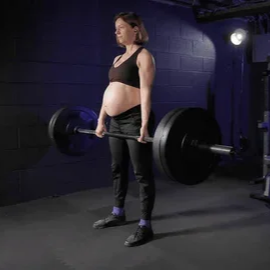
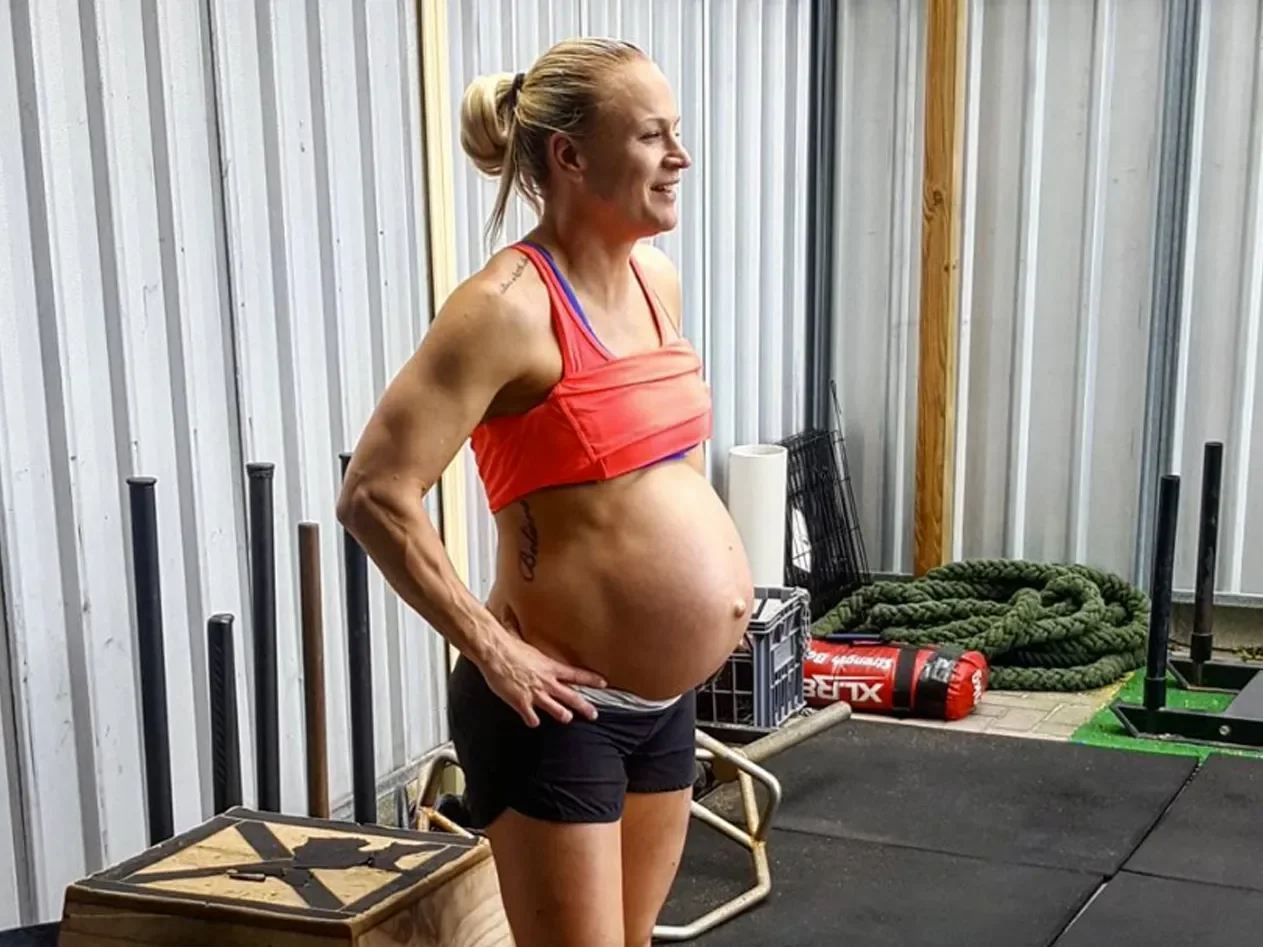
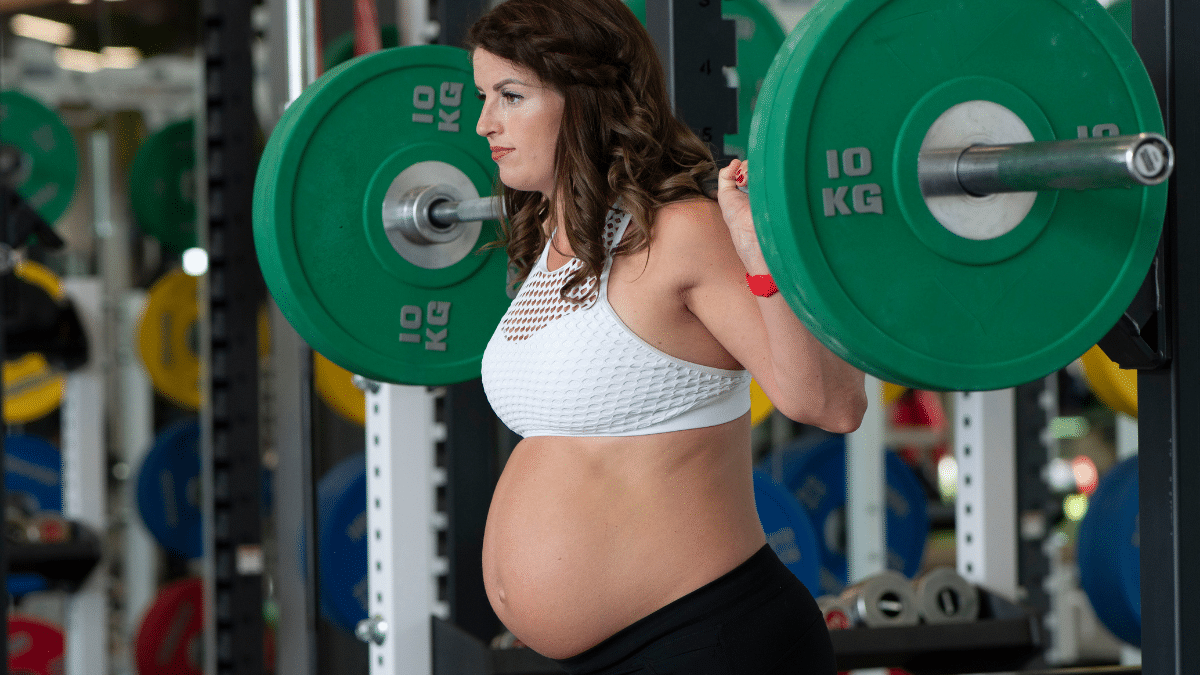
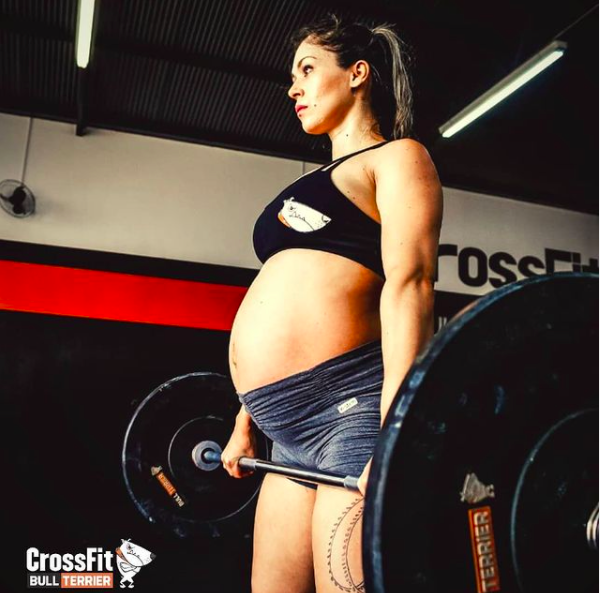
For decades, pregnant women have been told not to lift heavy, lie on their back, or hold their breath while exercising — based on fears that increased intra-abdominal pressure or blood pressure could reduce blood flow to the baby.
But new research published in BMJ Open Sport & Exercise Medicine (2025) challenges those long-standing beliefs, showing that heavy resistance training poses no risk to fetal well-being in healthy, active pregnant women.
At Poseidon Performance, we’ve long believed in the body’s resilience — not fragility — and this study reinforces what intelligent, evidence-based programming can achieve.
The Study That’s Changing the Narrative
Researchers observed a group of women between 6–9 months pregnant performing heavy sumo deadlifts and bench presses (3 sets of 8 reps, one rep in reserve) while closely monitoring fetal heart rate and uterine blood flow.
Here’s what they found:
✅ Fetal heart rate stayed within normal range
✅ Uterine blood flow was not compromised
✅ No signs of fetal stress or hypoxia were detected
The conclusion?
“Engaging in heavy-load resistance training, including supine exercise, does not pose a risk to fetal well-being in healthy, active pregnant women.”
That’s huge. It overturns years of overly cautious exercise guidance that often left active women feeling limited or anxious about continuing to train.
Why the Female Body Is Built for Strength and Stress
The female body is incredibly adaptive. Evolutionarily, women have always endured physical demands — lifting, walking long distances, surviving food scarcity — while pregnant.
Modern exercise stress is mild by comparison.
When managed intelligently, strength training supports pregnancy, helping with posture, circulation, and even recovery after birth.
At Poseidon, we remind clients:
Pregnancy isn’t a condition to protect from movement — it’s a physiological state to support with movement.
How We Safely Programme Training at Poseidon Performance
Every pregnancy is unique, and so is every programme we write. Our approach blends clinical reasoning with strength and conditioning principles to keep women strong, confident, and safe.
Our coaching focuses on:
Managing intra-abdominal pressure with controlled breathing
Protecting the pelvic floor without unnecessary restrictions
Improving stability and mobility for daily movement and delivery
Maintaining muscle tone and confidence throughout pregnancy and beyond
We all monitor intensity using perceived exertion (RPE) and adjust positioning, volume, and tempo to align with each trimester.
The Real Message for Mums-to-Be
The takeaway is simple:
If you’re healthy, cleared by your medical provider, and guided by a qualified coach — you can keep lifting, safely.
Strength training during pregnancy helps:
Maintain energy and circulation
Reduce back and joint pain
Support mood and confidence
Speed up postpartum recovery
You don’t have to give up your strength — you just have to train smarter.
So, to all the muscle mommies, mums-to-be, and women redefining what pregnancy strength looks like:
Don’t be afraid to keep getting your gains on.
Poseidon Performance: Clinical Strength Training in Dartmouth
At Poseidon Performance, we provide evidence-based rehabilitation and conditioning for adults at every stage — from post-injury recovery to pre- and post-natal strength.
We combine medical insight with years of coaching experience, ensuring every session supports longevity, movement quality, and real-world resilience.
