The Squat–Hinge Spectrum: Why Balanced Lower-Body Training Matters for Strength, Longevity, and Injury Prevention
When people think about lower-body strength training, they often reduce it to a simple choice: squats or deadlifts.
That oversimplification is one of the biggest reasons people in Dartmouth and the wider South Hams struggle with recurring pain, stalled progress, or training that stops feeling sustainable as they get older.
In reality, squatting and hinging are not opposing choices. They sit on a movement spectrum, and long-term strength, resilience, and joint health depend on training the full range, not just one end.
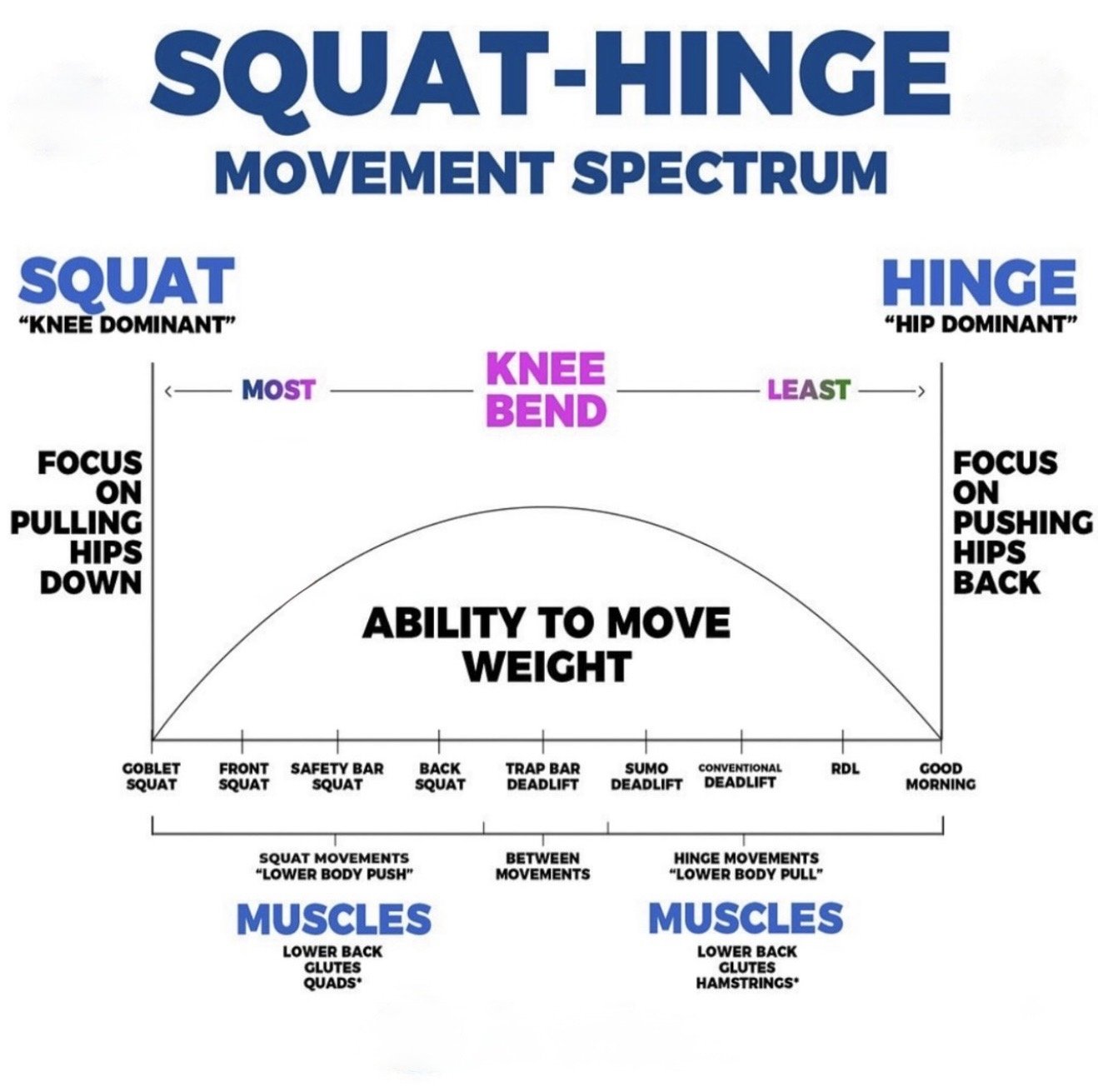
Squat - Hinge Movement Spectrum
What Is the Squat–Hinge Movement Spectrum?
The squat–hinge spectrum describes how lower-body exercises distribute work between the knees and hips.
Rather than being binary, movements fall along a continuum:
Squat-dominant (knee-dominant)
Hinge-dominant (hip-dominant)
Hybrid movements that sit between the two
Understanding this spectrum allows training to be programmed intelligently — particularly important for adults over 40, people returning from injury, and anyone training for longevity rather than short-term performance.
Squat-Dominant Movements: Knee Strength and Daily Function
Squat-dominant exercises involve:
greater knee flexion
a more upright torso
higher quadriceps contribution
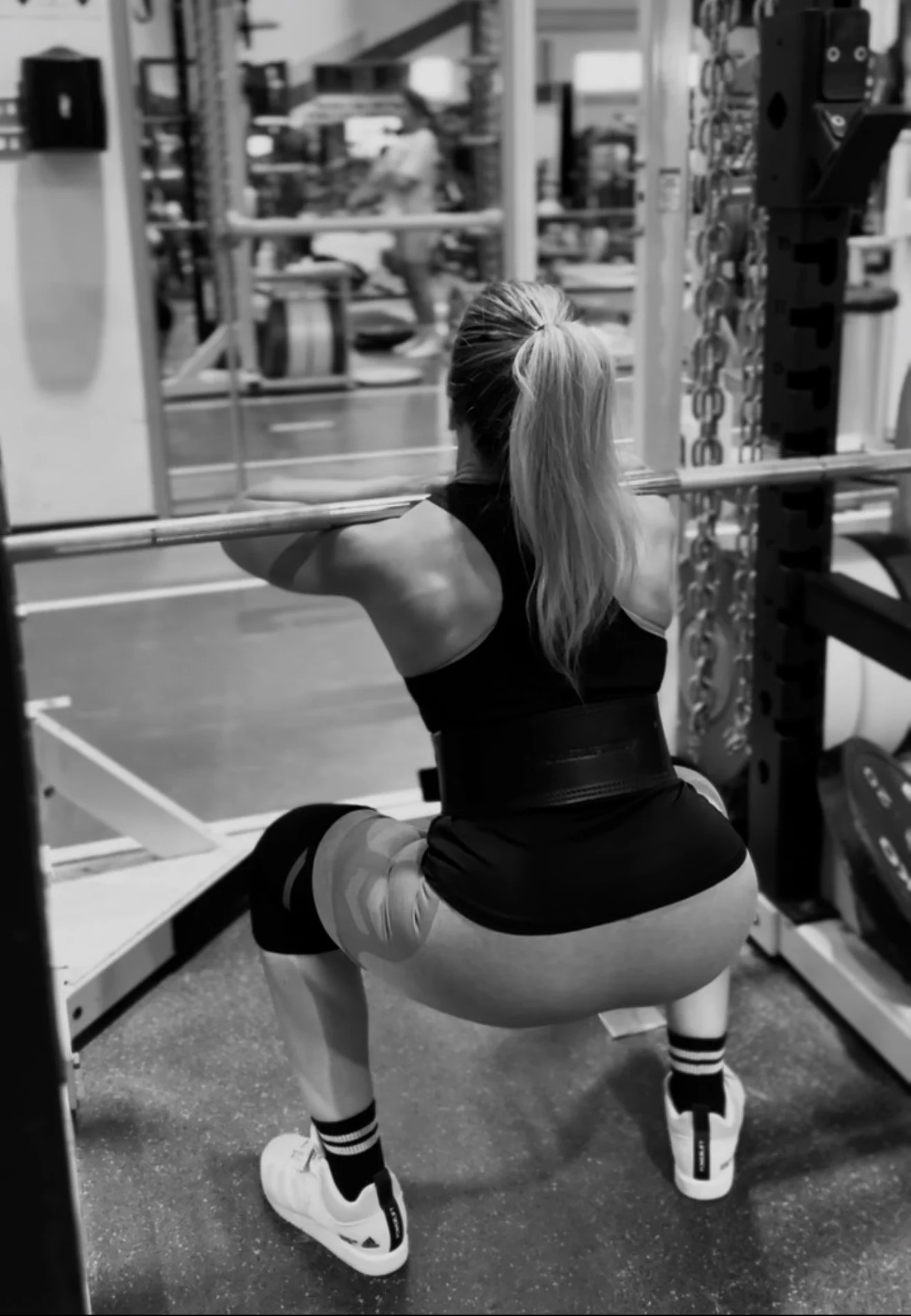
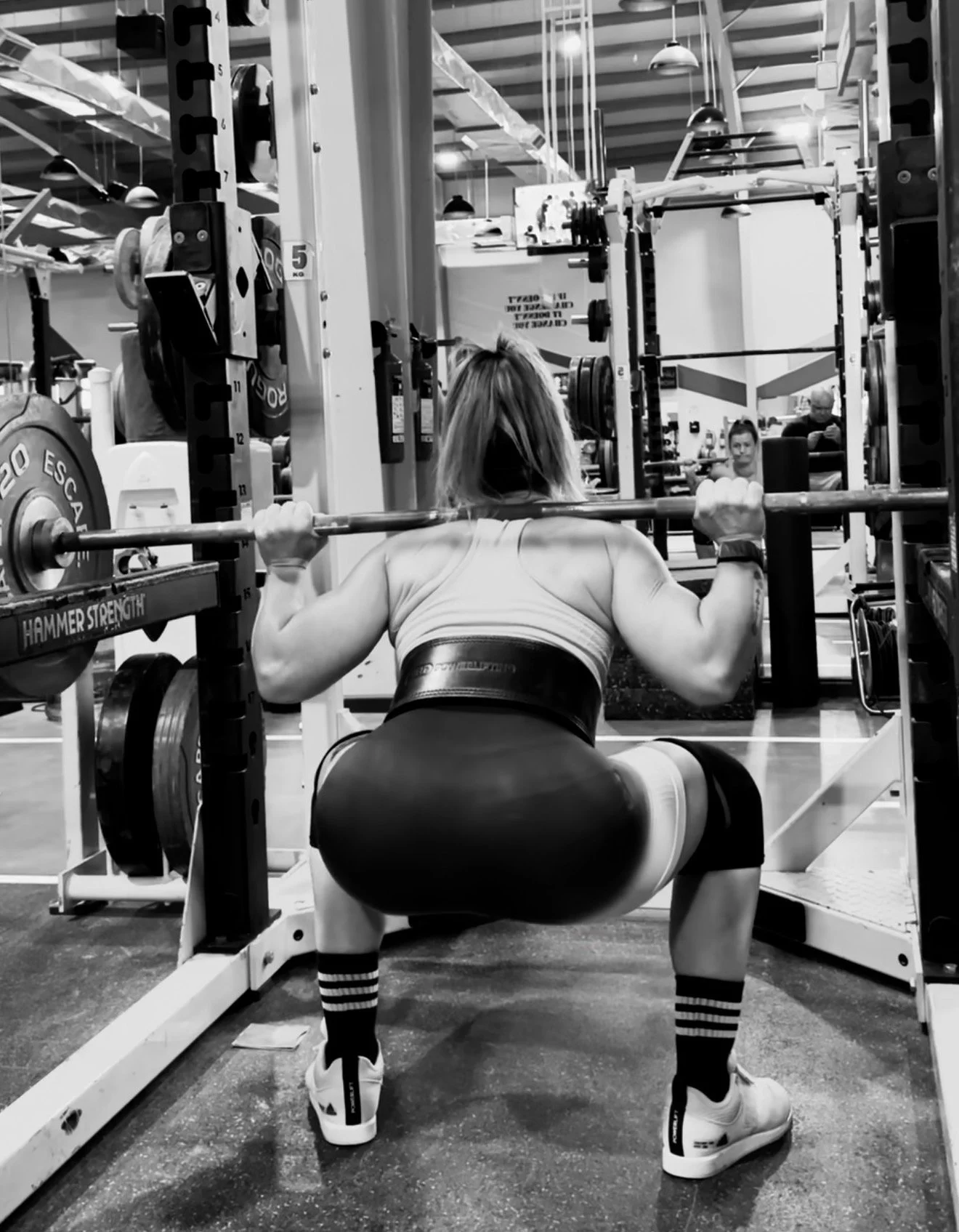
Examples include:
Goblet squats
Front squats
Safety bar squats
Back squats
Why squats matter
Squatting strength underpins many daily tasks:
standing up from chairs
climbing stairs
getting off the floor
absorbing impact when walking downhill or running
For older adults, avoiding squats often leads to declining knee tolerance and reduced independence. When appropriately scaled and coached, squats are not harmful — they are protective.
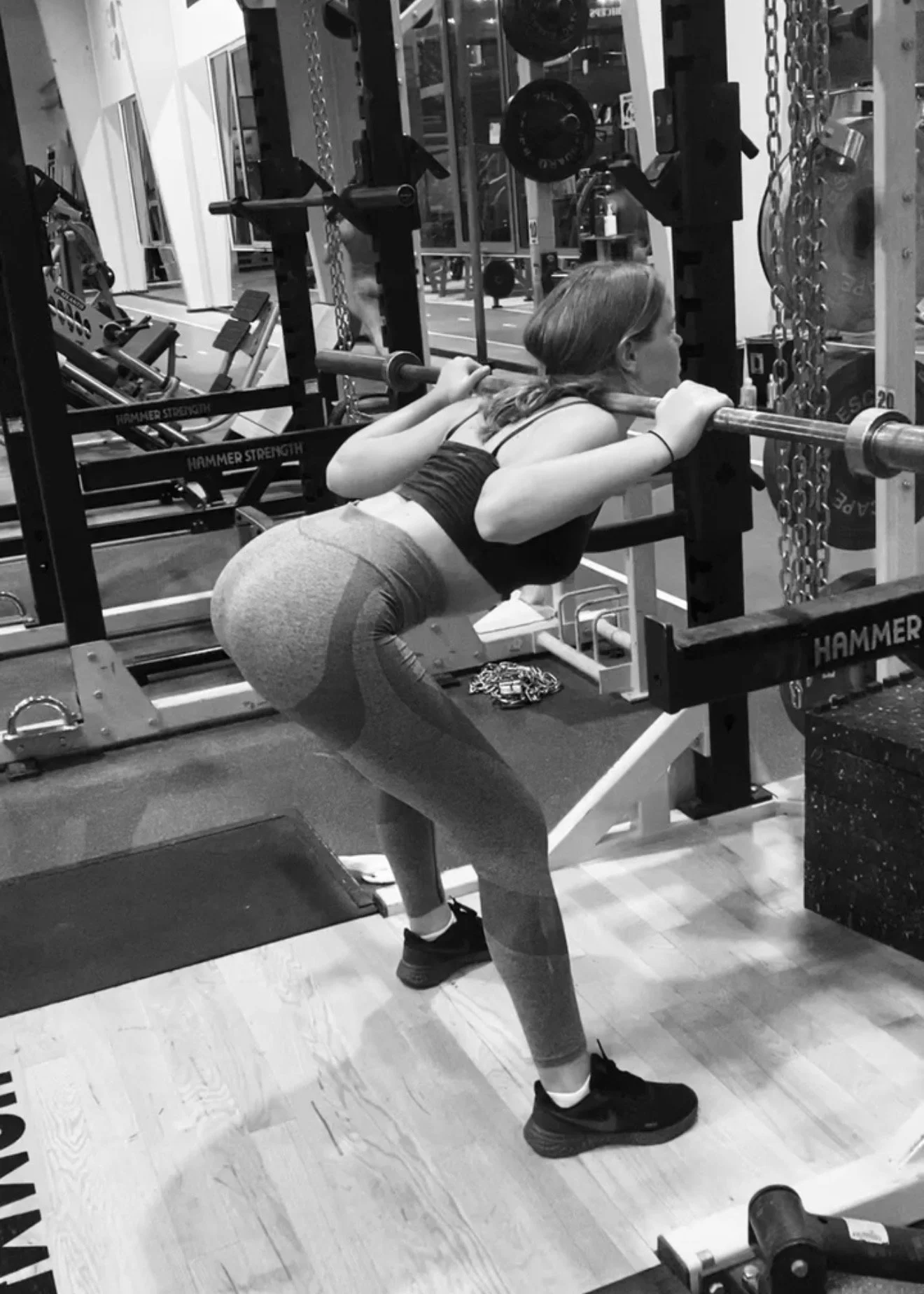
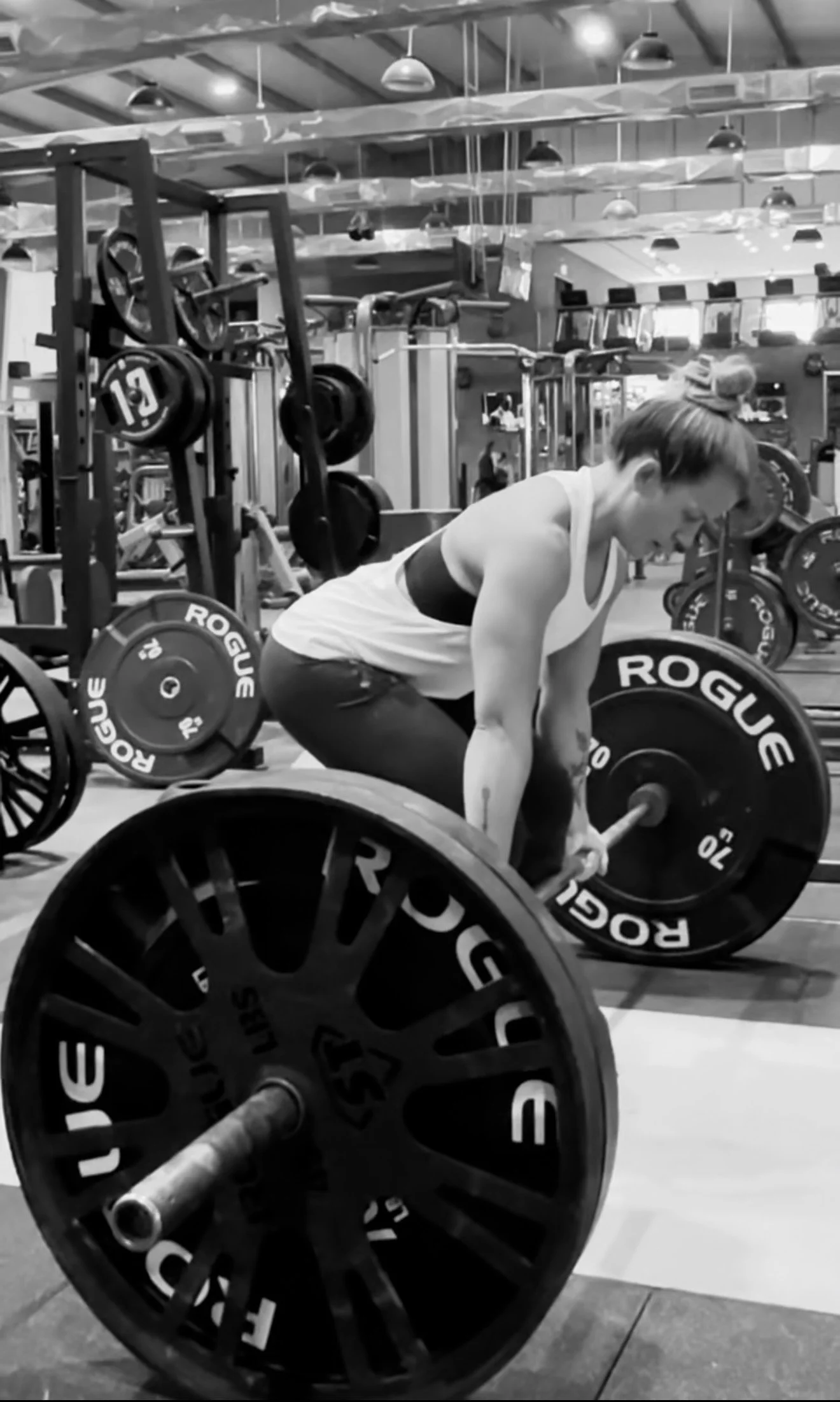
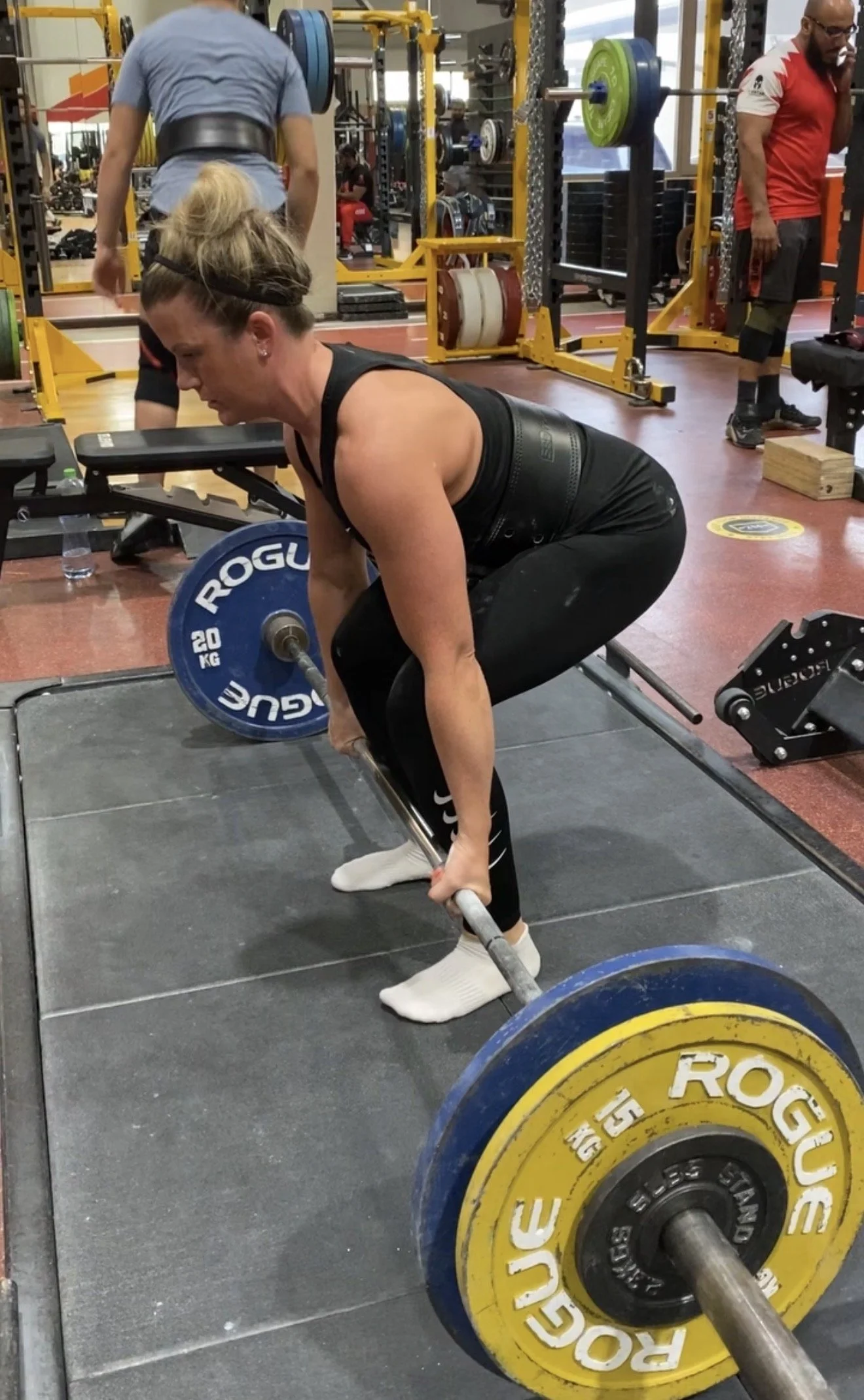
Hinge-Dominant Movements: Posterior Chain and Back Resilience
Hinge-dominant exercises involve:
minimal knee bend
hips moving backwards
high demand on glutes, hamstrings, and spinal stabilisers
Examples include:
Romanian deadlifts (RDLs)
Conventional deadlifts
Good mornings
Why hinges matter
Hinge strength is essential for:
lifting objects from the floor
protecting the lower back
maintaining posture
generating power safely
Many people hinge excessively to avoid knee loading. Over time, this simply shifts stress to the lower back. Balanced training prevents this compensation pattern.
Hybrid Movements: Where Real-World Strength Lives
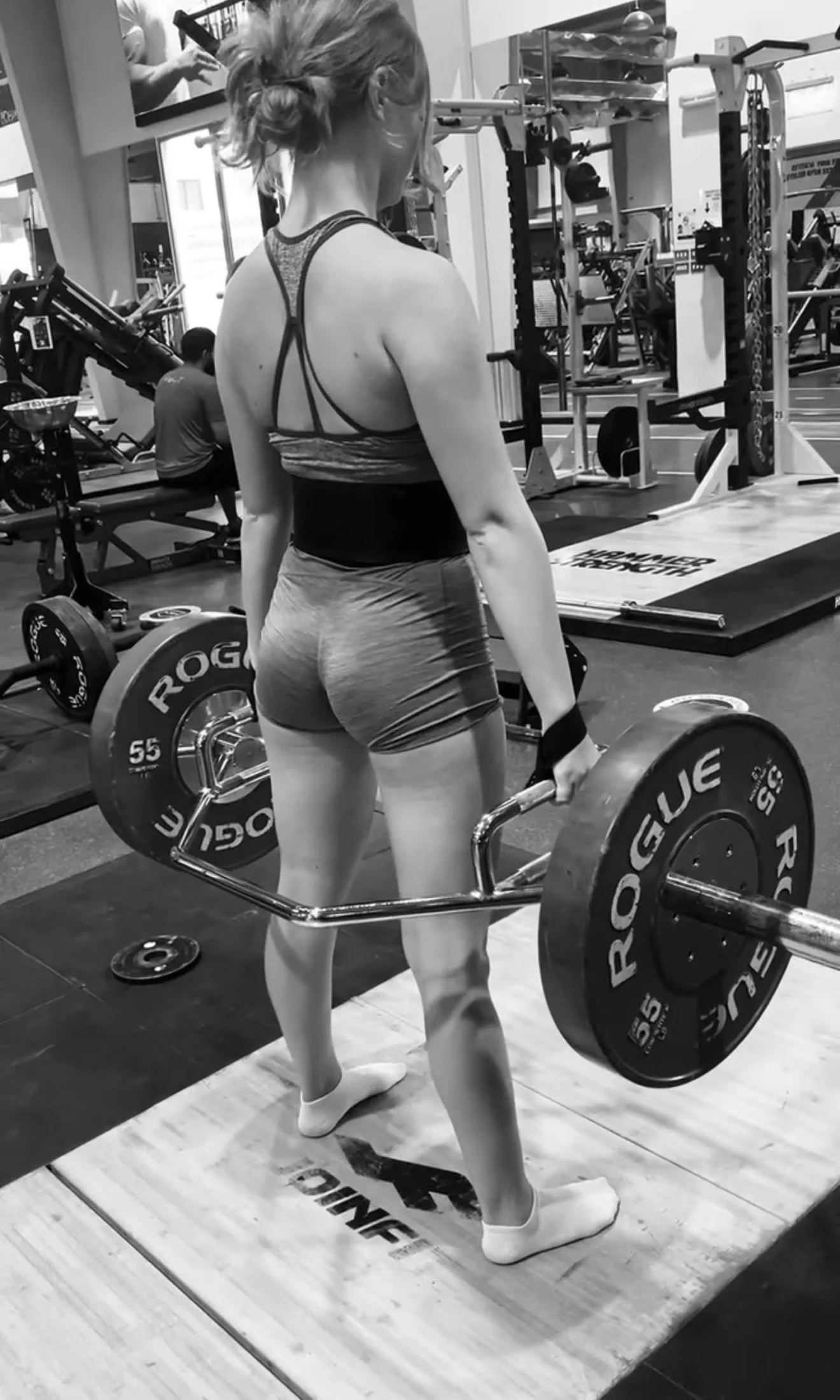
Between squat and hinge lies the hybrid zone — often the most underused and most valuable area of the spectrum.
Hybrid movements involve:
near-equal knee and hip contribution
large total muscle mass
high force production with good joint tolerance
Examples include:
Trap-bar deadlifts
Sumo deadlifts
Certain split squat and lunge variations
These exercises are particularly effective for:
adults returning to strength training
post-injury rehabilitation
building confidence under load
training safely while still progressing
For many clients at Poseidon Performance, hybrid movements become a cornerstone of long-term strength development.
Why Training Only Squats or Only Deadlifts Causes Problems
Programmes that rely heavily on one end of the spectrum create predictable weaknesses.
Only squatting can lead to:
underdeveloped posterior chain
poor lifting mechanics
back vulnerability
Only hinging can lead to:
reduced knee capacity
quad weakness
difficulty with everyday movements
The human body does not move in isolation. Training should not either.
How We Program the Squat–Hinge Spectrum at Poseidon Performance
Effective programming is not about doing everything at once. It is about systematic exposure over time.
A well-rounded lower-body programme typically includes:
bilateral squat-dominant work
unilateral squat patterns
bilateral hinge work from the floor
top-down hinge work (RDLs)
hybrid lifts
controlled rotational and lateral stability
This approach allows us to:
reduce injury risk
rebuild strength after pain or surgery
improve confidence and movement quality
support long-term joint health
This is especially relevant for adults in Dartmouth who want to stay active, pain-free, and capable without “training like an athlete”.
Squat–Hinge Training for Longevity and Ageing Well
Strength training for longevity is not about maximal lifts.
It is about:
preserving movement options
maintaining joint tolerance
distributing load intelligently
avoiding overuse at any single joint
When people stop squatting, they often lose the ability to rise from low positions.
When people stop hinging, back pain usually follows.
Training the full squat–hinge spectrum is one of the most effective ways to maintain independence, confidence, and physical resilience as we age.
Frequently Asked Questions (FAQ)
What is the difference between a squat and a hinge?
A squat is primarily knee-dominant and targets the quadriceps, while a hinge is hip-dominant and targets the posterior chain. Most real-life movements use elements of both.
Are squats bad for your knees?
No. Properly coached squats improve knee strength and tolerance. Avoiding squats often weakens the knees over time.
Are deadlifts bad for your back?
Deadlifts performed with appropriate load, technique, and progression strengthen the back. Problems usually arise from poor programming, not the exercise itself.
Should older adults squat and deadlift?
Yes, when scaled correctly. These movements are essential for maintaining independence, bone density, and muscle mass.
What is the best lower-body exercise for longevity?
There is no single “best” exercise. Longevity comes from training across the squat–hinge spectrum, not specialising in one lift.
Final Thought
Lower-body strength is not about choosing squats or deadlifts.
It is about understanding how each movement fits into the bigger picture — and training the full spectrum intelligently.
That is how strength lasts.
That is how joints stay healthy.
That is how training supports life, not just the gym.
Poseidon Performance
Strength. Rehabilitation. Longevity.
Dartmouth, Devon
