
Leah From Distance Runner to Discovering Real Strength
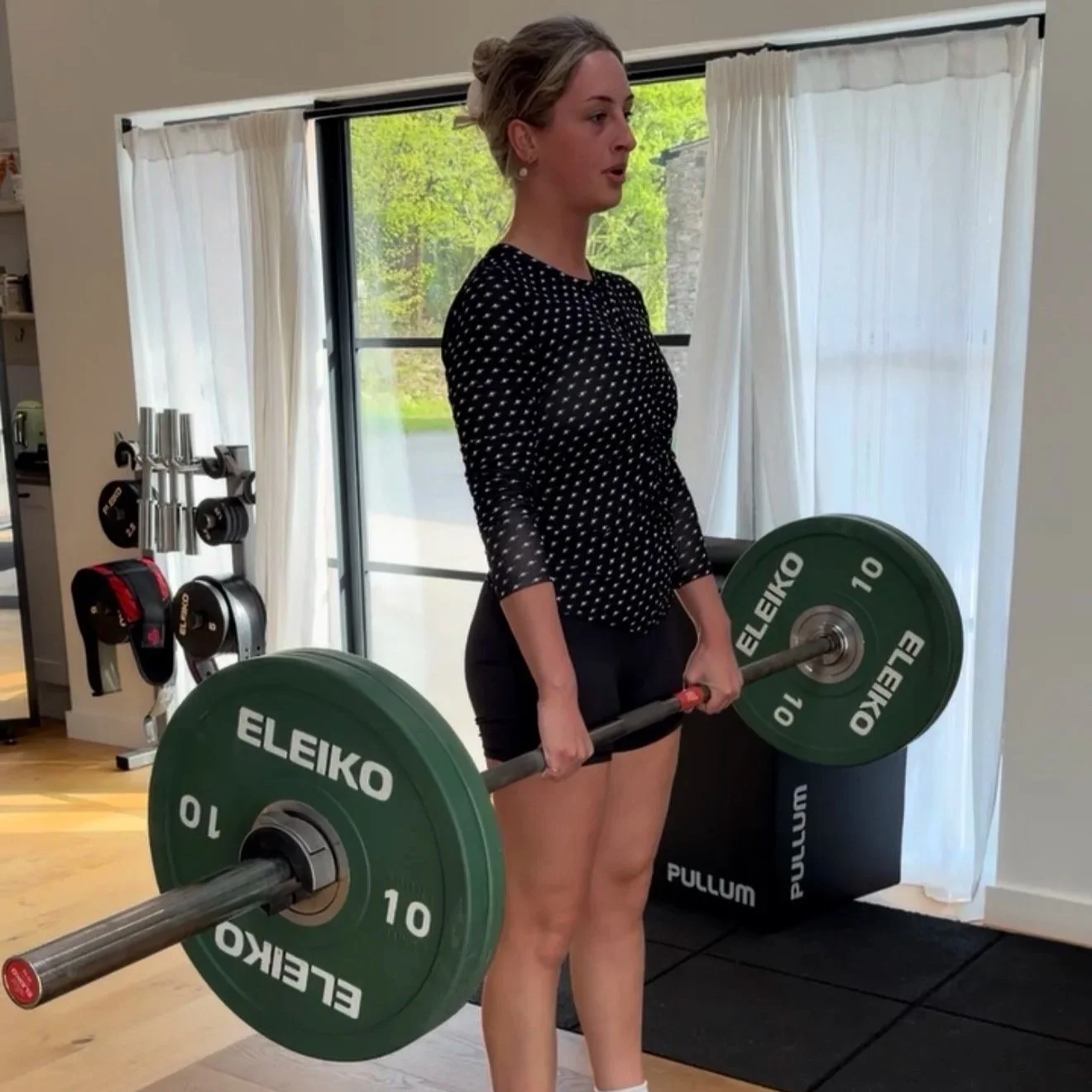
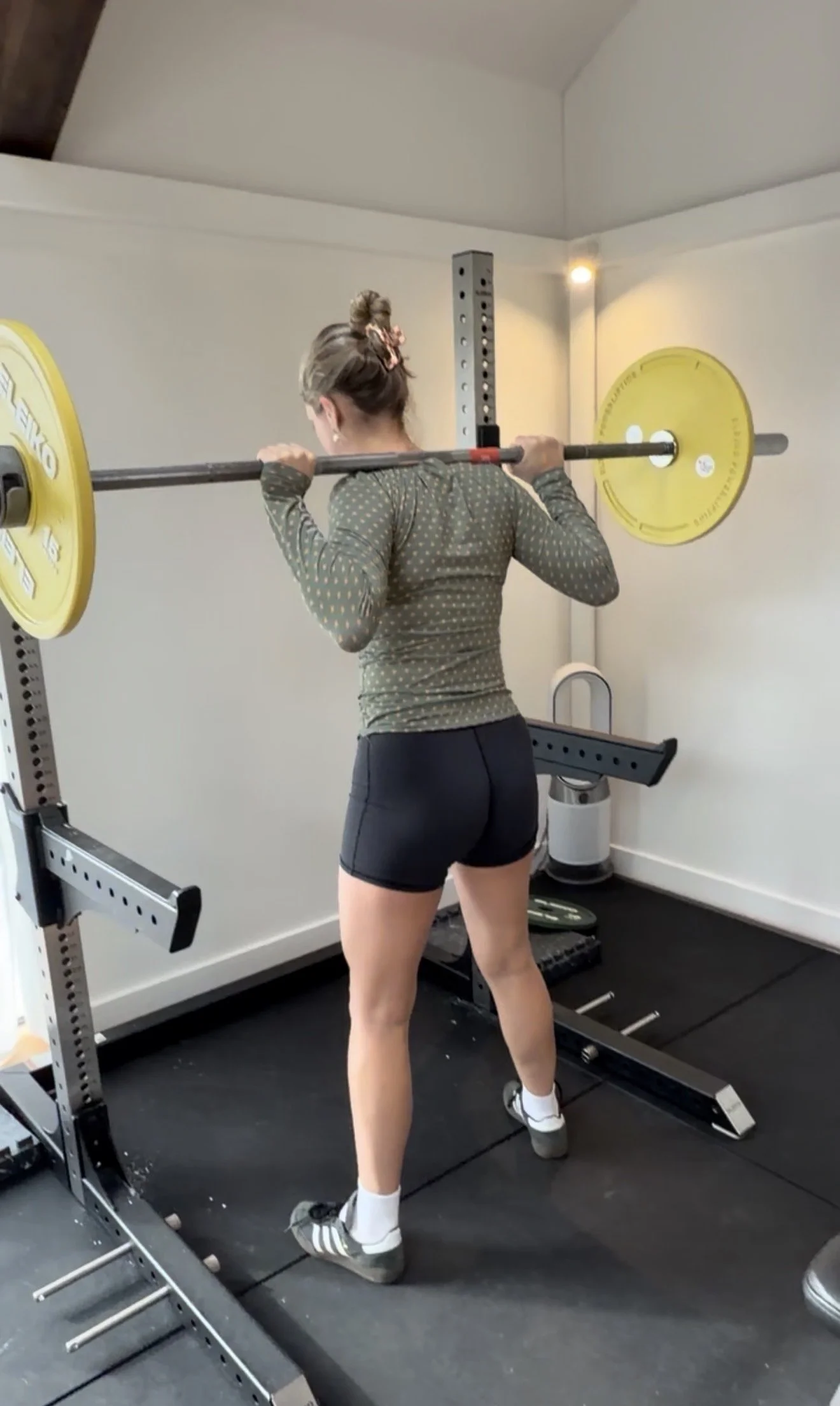
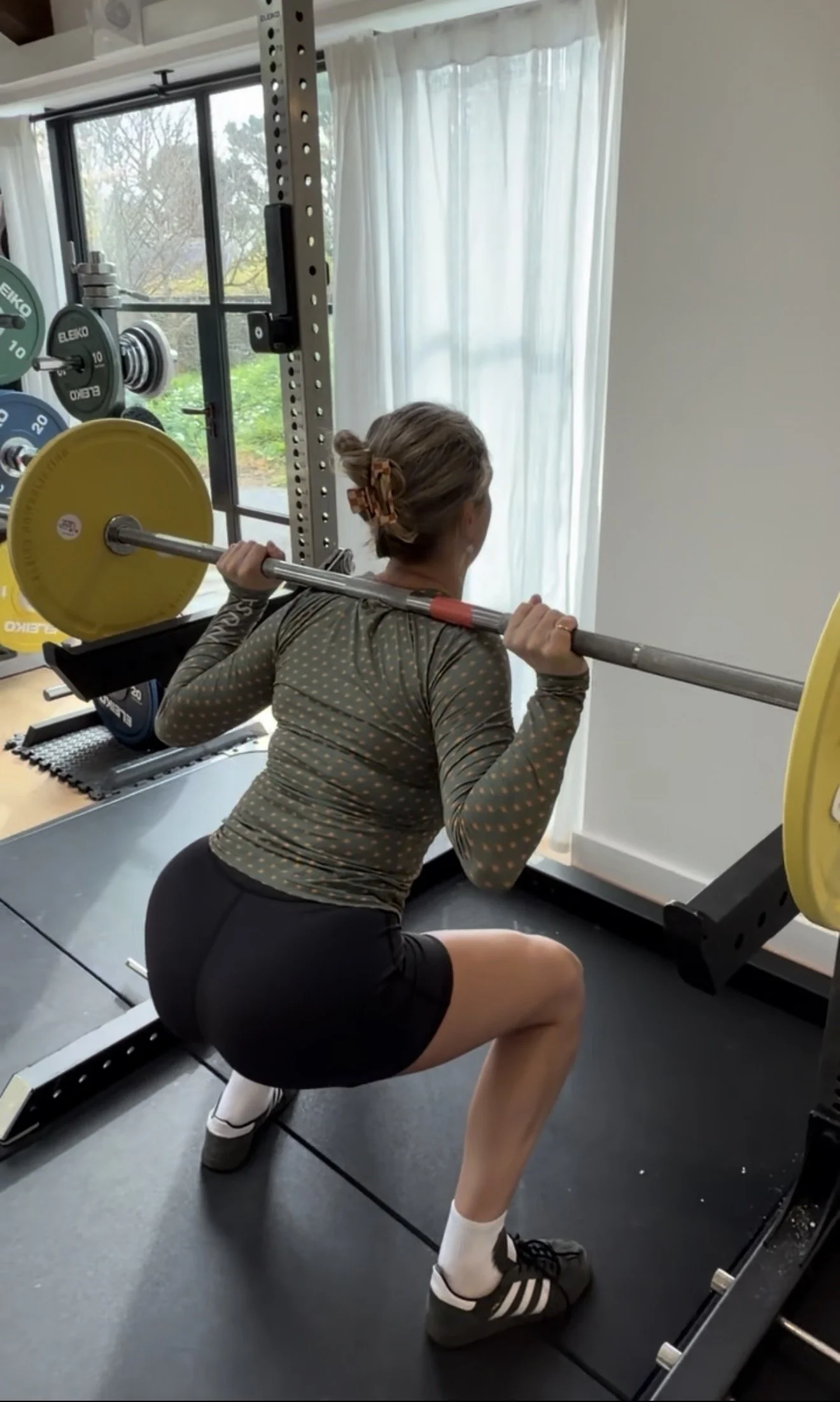
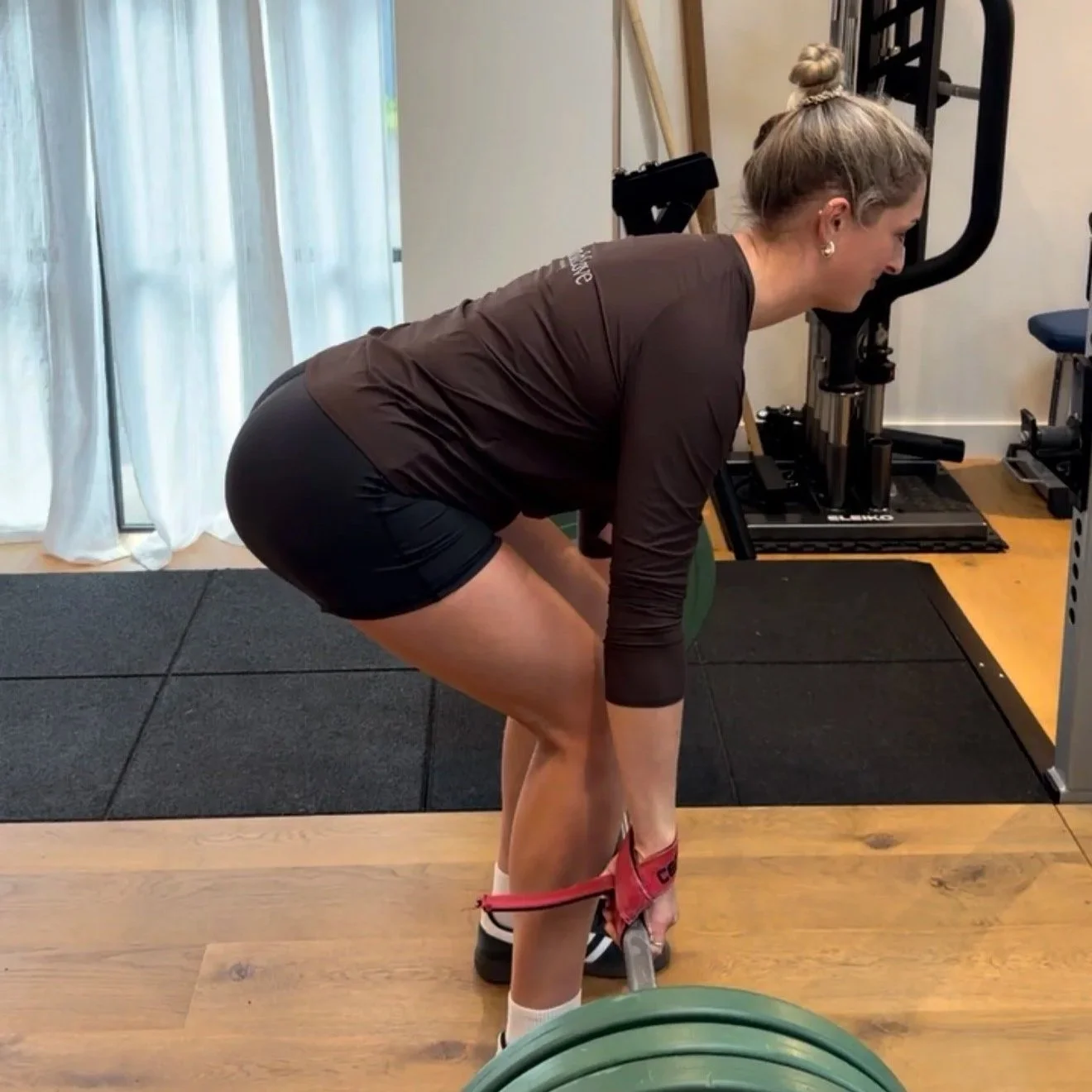
If you live in Dartmouth, there’s a good chance you already know Leah.
At 23, she was the manager of Rockfish and already lived a highly active lifestyle. Slim, fit and naturally athletic, her background was built around endurance and running rather than strength training. Like many distance runners, she had excellent work capacity, good movement awareness and a strong aerobic engine, but very little exposure to progressive loading or structured strength work.
When Leah first started training at Poseidon Performance, the goal was straightforward: she wanted to get stronger.
Initially, however, there was understandable hesitation. Although fit, she was new to lifting properly, and during the first few sessions there were a couple of minor back issues that created uncertainty around loading and confidence under weight. This is common with runners transitioning into strength training. The body is conditioned for repetitive endurance work, but not always for producing force under external load.
The important part was that she stayed consistent.
Rather than avoiding training or becoming cautious around movement, Leah gradually learned how to load properly, brace effectively and trust her body under heavier resistance. The process was progressive, controlled and patient. There was no dramatic breakthrough moment at the beginning, just steady exposure to good movement, intelligent programming and increasing confidence.
Then, after about a month to six weeks, something changed.
The hesitation disappeared.
What had initially been cautious and reserved suddenly became aggressive in the best possible way. Leah stopped approaching lifts like someone trying to “get through” the session and started attacking them like an athlete discovering a new physical gear.
The increase in confidence was obvious.
Loads increased quickly. Movement became more decisive. Her back became stronger, her legs more powerful, and the uncertainty around lifting disappeared completely. The same athlete who had initially questioned what her body could tolerate was now confidently pushing heavy weight and genuinely enjoying the process.
What makes this particularly impressive is the contrast between appearance and output.
Leah does not look physically imposing. She is slim, lightweight and built like a runner. Yet underneath that is an enormous amount of physical potential. Once strength training unlocked it, the progression accelerated rapidly.
This is one of the biggest misconceptions around strength training, particularly for younger women. People often assume they need to “look strong” before they can train heavy. In reality, strength is a skill, and confidence under load is developed through exposure and consistency rather than appearance.
For Leah, strength training has not replaced running. It has enhanced her overall physical capability. She is now stronger, more resilient and significantly more powerful than when she started, while still maintaining the athleticism and movement qualities that came from her endurance background.
Perhaps the most satisfying part of the process has been watching that confidence develop in real time. The shift from uncertainty to belief is often where the real transformation happens. Once that clicked, her progress accelerated dramatically.
At just 23, Leah is already demonstrating something many people take years to understand: strength is not about size, intimidation or ego. It is about capability.
And despite her frame, she is proving to be an absolute powerhouse.
Strength. Rehab. Longevity.
