
Strength for Life: Why One Dartmouth Estate Agent Trains for Longevity, Not Just Fitness
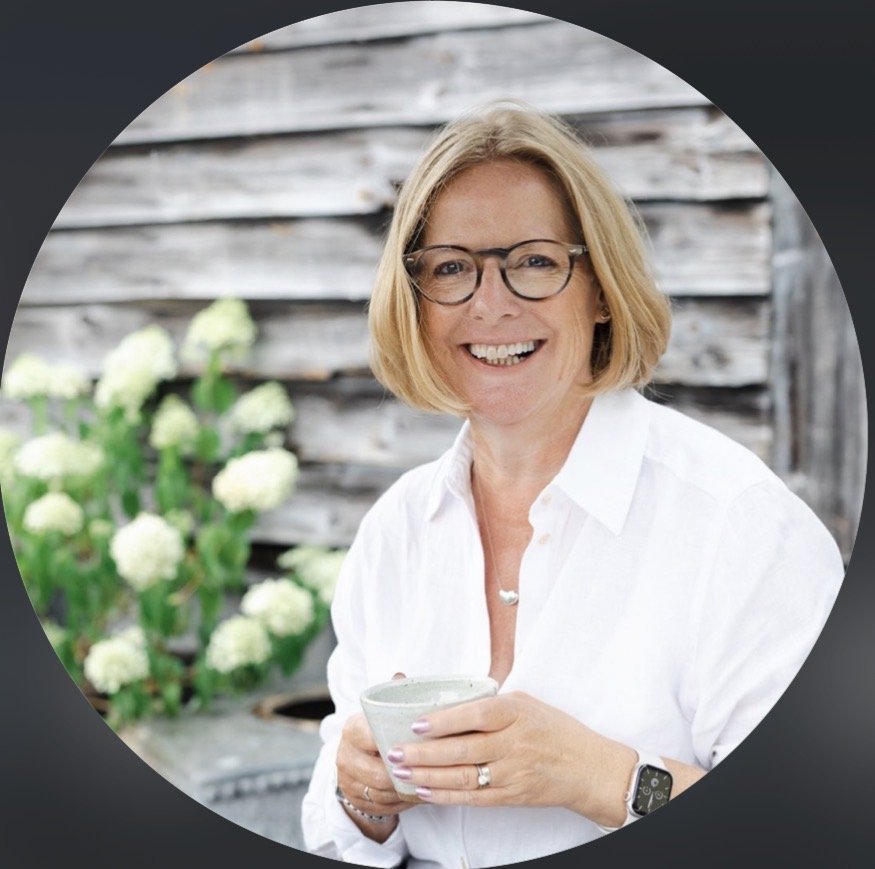
Julie is a familiar face in Dartmouth.
As a local estate agent, her work is fast-paced, people-focused and demanding. It involves long days, constant movement, walking properties, climbing stairs, carrying materials and maintaining energy throughout the week. Like many professional women, she could easily justify being “too busy” to train.
Instead, she made a different decision. Since early October Julie has trained twice a week in Poseidon’s Strength for Life class. Her goal is not aesthetic. It is not competitive. It is not reactive to injury.
Her goal is longevity.
A Balanced Approach to Health
Julie doesn’t rely on one method. Alongside her twice-weekly strength sessions, she practises yoga and Pilates. Mobility, control and flexibility are part of her routine.
But she understands something crucial: Mobility without strength is incomplete.
Yoga and Pilates build control and awareness. Strength training builds resilience, muscle mass, bone density and load tolerance. Together, they create a balanced system.
As you age, that balance matters.
Why Strength Matters More After 60
Muscle mass declines progressively with age. Bone density reduces without mechanical loading. Confidence in physical tasks subtly erodes if it is not reinforced.
The answer is not to move less.
The answer is to train intelligently.
In Strength for Life, Julie trains under load in a structured, coached environment. The sessions are progressive. Technique is prioritised. We focus on:
Lower body strength for stair climbing and walking Dartmouth’s hills
Upper body strength for posture and daily tasks
Controlled tempo work to protect joints
Balance and coordination under load
Nothing chaotic. Nothing random. Just structured progression.
The Professional Mindset
Julie approaches training the same way she approaches business consistently and with intent… Twice a week. Every week.
There is no dramatic transformation story here. No “before and after.” What there is, is something far more important: preservation of capacity. She is not training because something has gone wrong. She is training so that nothing does. That distinction is significant.
Training for the Long Term
Longevity is not built through occasional effort. It is built through consistent exposure to challenge.
Julie’s combination of strength training, yoga and Pilates reflects a modern understanding of ageing well. Flexibility supports movement. Strength protects it. Balance reinforces it.
In Dartmouth, where terrain is uneven and life remains active well into later decades, physical capability is not optional. It underpins independence.
Training twice a week may seem modest. In reality, it is strategic.
For professional women in their 50s and 60s who want to remain capable, confident and independent — this is what training for longevity looks like.
Not extreme.
Not intimidating.
Structured. Progressive. Sustainable.
Strength for Life isn’t about lifting the heaviest weight in the room.
It’s about still being able to do what you want to do - years from now - without hesitation.
