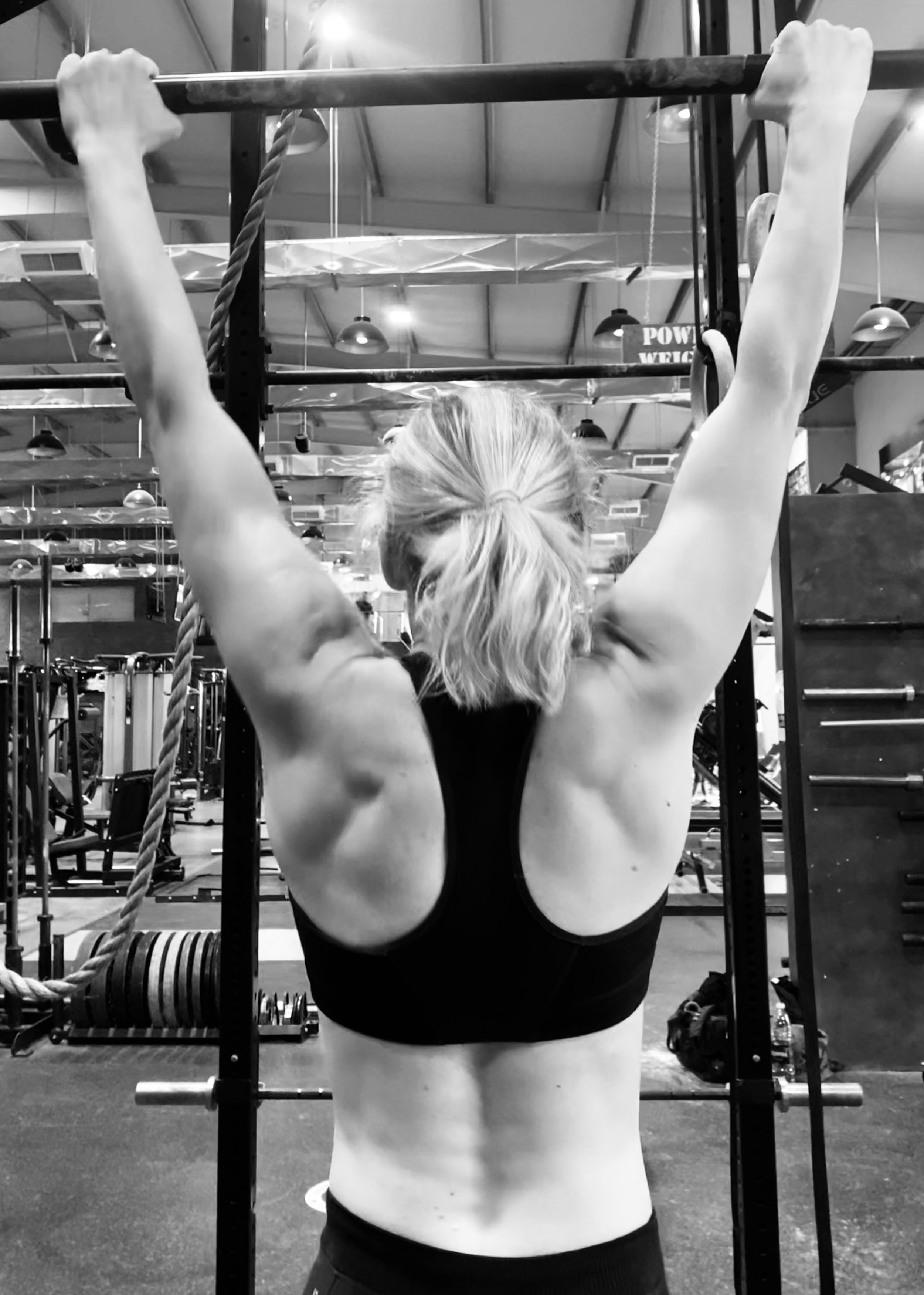
Brachiating. A.K.A: The Dead Hang
Benefits of the Dead Hang for Rehabilitation
According to Dr. Kirsch, the hang is good for people with shoulder impingement and even rotator cuff injuries. Here’s why:
Apart from stretching the brachial arteries, the hang also stretches and strengthens the supraspinatus tendon. This is the tendon that’s mainly responsible for shoulder strength, mobility, and endurance.
Athletes with shoulder impingement syndrome suffer from painful entrapment of soft tissue whenever they elevate the arm. The pathological mechanism is a structural narrowing in the subacromial space. When you raise your arms forward, the supraspinatus tendon gets pinched between the coracoacromial arch and the humeral head and greater tuberosity of the humerus. That’s where the pinching sensation comes from when you try to raise an injured or compromised shoulder.
When the arms are raised straight up as in the dead hang, the humerus presses into the acromion (a bony extension of the shoulder blade). This gives the tendon room to move and stretch without getting pinched. This allows you to exercise, stretch, and reshape this tendon and the surrounding muscles and bones improving mobility while reducing pain
The more you do the dead hang or brachiating, the better and stronger your shoulders will be. It opens up the shoulder muscles and increases their range of motion. This means you can now flex your shoulders across a larger radius, without it feeling like a struggle.
Performance Preparation - R.A.M.P
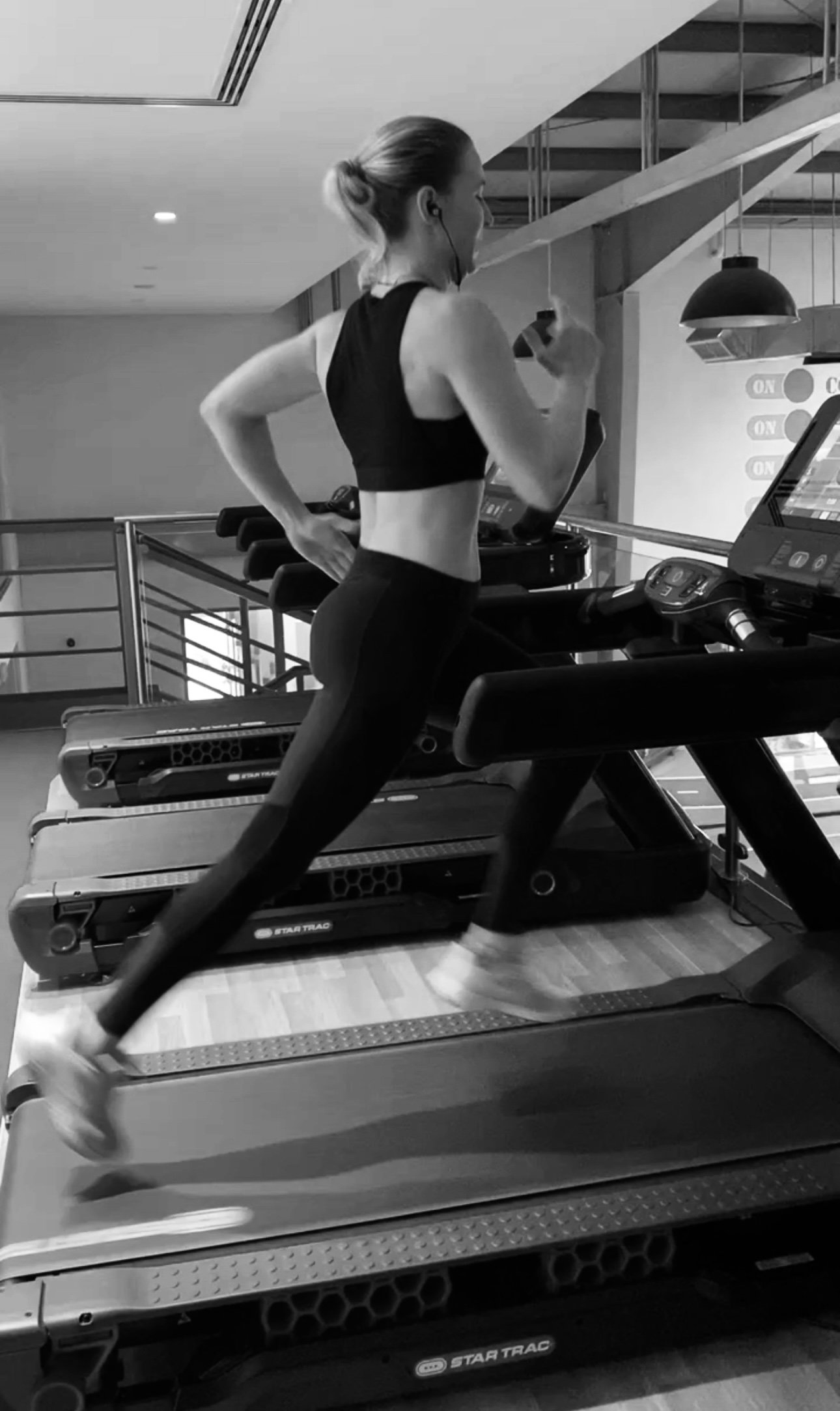
Time is valuable in the gym! The truth is…. you don’t need to spend 40 min foam rolling, stretching, trigger pointing and doing specific glute activation drill. A dynamic and comprehensive warm up can be complete in under 5 minute. It’s more valuable to use your time effective and optimally to train.
The aim of the warm-up is to prepare both mentally and physically for exercise or competition.21 Without the development of undue fatigue.
An important starting point in examining the optimal protocol of a warm up is to examine the rationale behind why we warm-up. A well designed warm-up can:
Increase muscle temperature
Core temperature, blood flow26, and
Disrupt transient connective tissue bonds.13
These effects can have the following positive effects on performance:
Faster muscle contraction and relaxation of both agonist and antagonist muscles.21
Improvements in rate of force development and reaction time.1
Improvements in muscle strength and power.5,13
Lowered viscous resistance in muscles.13
Improved oxygen delivery due to the Bohr effect where higher temperatures facilitate oxygen release from haemoglobin and myoglobin.26
Increased blood flow to active muscles.26
Enhanced metabolic reactions.13

Is It Possible To Change The Shape Of Your Muscles?
By performing certain exercises or by varying the angle at which you train certain muscle, Is it possible to change the shape of your muscles? The purpose of this Blog is to explain one of the most misunderstood subjects in strength training and bodybuilding.
Can we “shape” our muscles with certain exercises?
One of the most misunderstood concepts in bodybuilding is the belief that there are some exercises that shape or define the muscle and others that bulk it up. Unfortunately, the shape or form of a muscle is genetically predetermined and cannot be altered for example, your height or the colour of your eyes. There’s no such a thing as “shaping exercises.” But that doesn’t mean that your physique is predetermined. as Arnold put it in Pumping Iron. You need to look at yourself the way an artist would and decide where do you need more or less “clay”,.
Just to give you an example, we usually consider bench press to be mass building exercise for the chest. On the other hand, cable flyes we usually see as a ‘shaping’ exercise. While performing either exercise, however, the pectorals simply contract and relax. So where does this notion come from?
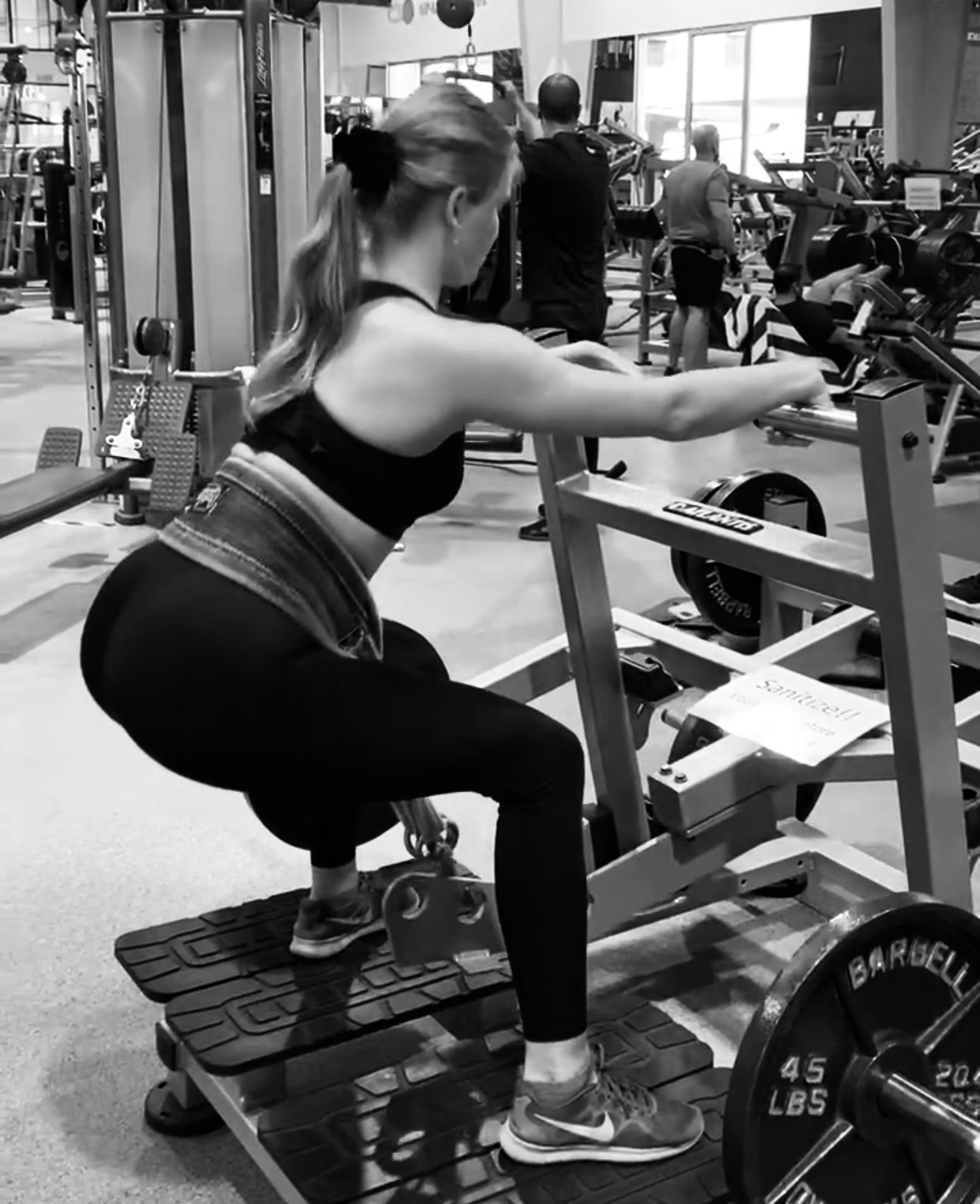
Belt Squat: Builds Legs, Saves Spines
Training legs with heavy barbells and plate-loaded machines can stress the lower back with compression forces and overload the tissue.. Those who suffer from lower back pain can struggle with this repeated compression and shear forces through the spine. For those with upper-body mobility issues or shoulder injuries can struggle with a bar on their back.
That’s usually where hip belt squats come in, but they feel awkward for a lot of lifters. Don’t worry, though; the right variation can help you build bigger and stronger legs while unloading your spine.

Oscillating Kinetic Training With The Earthquake Bar
The Earthquake Bar provides oscillating kinetic energy that significantly challenges an athlete's shoulders and upper body with just a small amount of weight added to the bar. Considering the overall weight of the barbell is kept low, this allows the smaller muscle groups that make up the rotator cuff to benefit maximally.

Fitness & Nutrition Tips For Traveling
Many people flounder to stay committed to their fitness and nutrition while traveling. This is especially true for holiday and business travel. While each travel type presents its own unique challenges, let's explore several tips to stay focused with proper food management and prioritising exercise.

The Optimum Training Approach For Women Over 40
For women over the age of 40, losing weight and keeping a toned body can be tricky. Many women who have never experienced maintaining their size and shape find that in their 40’s, all bets are off. While eating a healthy diet may help lessen the rate of weight gain, regular exercise is necessary to maintain your desired weight; the type of activity you perform matters most.
Four Ways Mature Adults Can Benefit From Personal Coaching
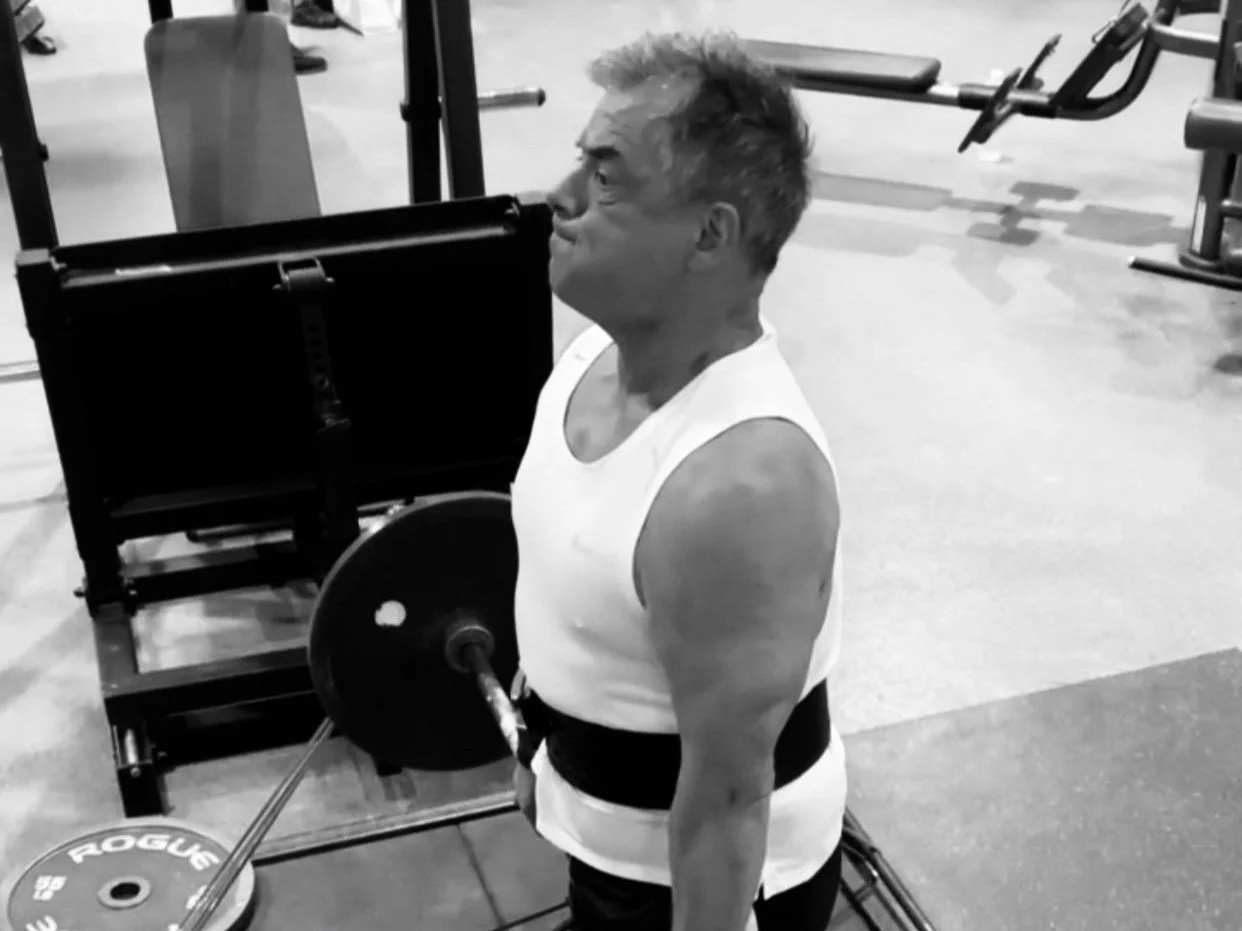
Being physically fit in your 20s and 30s helps you improve and maintain your overall health. During your golden years, you still need to find the time to commit to performing regular physical activities. It is common for some older adults to lose the motivation to exercise. They might also think that maintaining a fitness regime is no longer relevant or their lives just become too busy with work commitments and family time .

Poseidon Virtual
People have busy lives and time is a premium. They desire affordable access to a professional trainer who can maximise their time and optimise their workout needs. Because of this issue we have come up with an affordable solution to solve this problem.
Poseidon Group gives people affordable access to a professional coach who not only create custom exercise programs but also keeps them accountable with communication and positive reinforcement.

Age is NOT a disability….
And getting older should NEVER be an excuse NOT to live your best life for the rest of your life. But HEALTHY ageing does require intelligent EXERCISE efforts that unlock the key to achieving true performance and longevity at ANY age. And the more we continue to learn about healthy AGEING the more clear it becomes that
There is key performance indicators that have credible scientific reviews to predict life expectancy. In this blog, I have listed 5 physical tests that had been found to predict longevity and independent living.

Advanced Core Training
Athlete looking to perform at the highest level, need to advance their core training even further and should consider using the following exercise modifications in your training.
Paused Deadlifts
Zombie Front Squats
Squats with Chains

Cluster Training
"The best method to get stronger is clusters," Charles Poliquin
A cluster is an ensemble of several single reps with short-to-moderate rest intervals. For example, a cluster set could be a series of 5-7 heavy singles.
Complete one rep, rest for around 15-20 seconds, do another rep, rest 15-20 seconds, then do another rep. You do that until you get too five with a weight you'd normally only lift three times.
I have used it with a lot of pro athletes, international level amateur athletes, and strength athletes. The results are always impressive.
The "traditional" Poliquin approach doesn’t always work well. Some athletes (the stronger, more advanced lifters) often can’t get five cluster reps with their three-rep max. Some would burn-out. In fact, some need to use less weight than their 3RM.

Strength Training for Pain & Injury Rehab
It has been said that exercise is the closest thing there is to a miracle cure. “All the evidence suggests small amounts of regular exercise (five times a week for 30 minutes each time for adults) brings dramatic benefits,” we “age well” when we are active (Gopinath): less anxiety (Schuch), prevention of dementia (Smith) and a laundry list of other diseases (Pedersen), and as little as just 10 minutes per week might push back

Strength and Hypertrophy Training with Blood Flow Restriction (BFR)
Blood flow restriction (BFR) training in which a tourniquet is used on a proximal limb to limit arterial inflow while blocking venous outflow has consistently demonstrated strength and hypertrophy gains and comparable to heavy load lifting.

Differences Between Sports Therapy & Physiotherapy
The two professions share many similarities and overlap in their treatment programmes which leads to patients being unsure whether they would be best suited to physiotherapy or sports therapy. However, there are some key differences:
Sports therapists generally have more exposure to sporting environments at an undergraduate level making them ideal for preventing sports injuries through specific strengthening programmes.
Sports therapy, focuses more on whether that the patient has returned to or can maintain the required physical level for whatever sporting activity they would like to carry out. Physiotherapy on the other hand, attempts to rehabilitate patients to allow them to feel comfortable and cope in their day-to-day life,
As Sports therapists focus solely on musculoskeletal rehabilitation and have a sports-focused background, it makes them attractive to patients who are aiming to return to exercise.
Physiotherapists have a broader knowledge base and medical background, which allows them to treat illnesses, diseases, neurological and respiratory issues. This makes them ideal for treating a wide range of patients, including complex patients with multiple conditions.

Velocity Based Training
Without overstating the obvious, as the load increases (with the intent to lift it as fast as possible) the speed decreases in a linear fashion. This is a fundamental tenet on which Velocity based training (VBT) principles operate – the load-velocity relationship. The relationship between load and velocity in simple strength exercises such as the squat and bench press is extremely stable and very strong. The relationship holds true regardless of strength level and after increases or decreases in strength. Irrespective of strength level or experience, the load-velocity relationship holds true and is at the core of VBT methods for maximal strength development

Velocity-Based Training in the Weight Room: Why I PUSH
How do you measure the bar velocity accurately? You could use linear regression equations to predict the bar velocity based on the percentage of the 1RM or you could tell your athlete to move the bar as fast as possible or you could measure it accurately with implementing linear position transducers (LPTs) .
Enter PUSH, a new wearable technology consisting of an accelerometer and gyroscope packed into a small armband. While this technology has been around and used in the weight room before, PUSH is the first device I have come across that address all five of my above-listed requirements.

Training Explosive Strength
There are many things to consider for improving sports performance. An athlete must become stronger and at the same time faster. The majority of this training is combining maximal effort exercises to increase the strength potential of the muscles, while training with light weights will lead to improving speed

Critical Review of The Pose® Running Technique
It is vital to appreciate the characteristics of an efficient and economical running gait to understand the context in which the results of the study have been discussed. An efficient running gait has been described in recent research as having an optimal stride frequency and vertical impulse amplitude relationship (Bramble & Lieberman, 2004; Williams & Cavanagh, 1987). Efficient runners display a longer stride with minimal vertical impulse, allowing enough vertical impulse to overcome gravity and reposition the limbs without excessive CoM oscillation.

Sled Work for Strength and GPP
One of the most functional and cost effective pieces of equipment a gym can have is a sled. When utilised correctly, the sled offers multiple ways to enhance your General Physical Preparation (GPP) levels and expand the base of your strength pyramid.
As an athlete, maintaining and exceeding the GPP level needed to compete in your sport is essential if you want to improve sport performance.

