
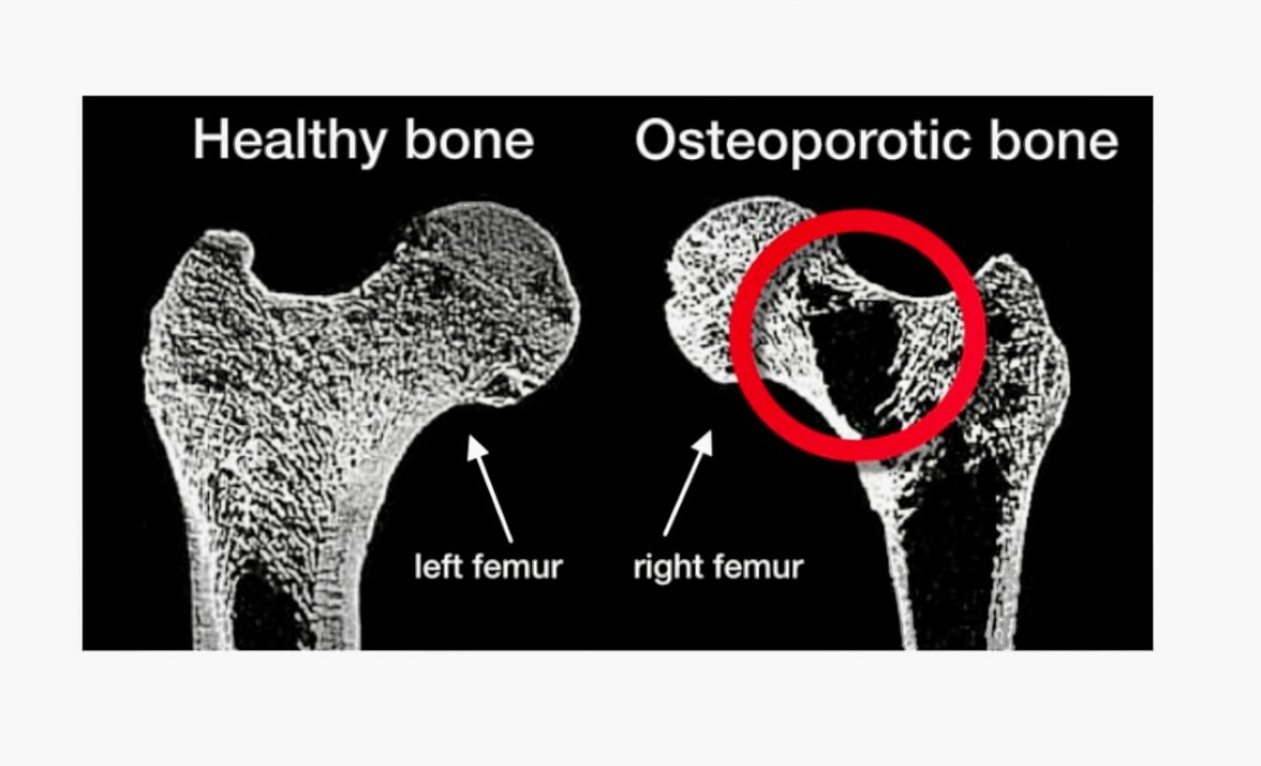
Bone Loss: The Silent Thief of Strength, Confidence and Independence
Bone loss affects nearly half of women over 50—but it doesn’t have to be inevitable. Strength training just 2–3 times per week can cut your fracture risk in half and help preserve independence, mobility, and confidence well into your 70s and beyond. Here’s how to futureproof your body, starting now.

Brain Fog, Mood Swings & Menopause: How to Stay Sharp, Strong & Centred
Struggling with brain fog, memory lapses, or feeling like you’ve lost your edge?
Menopause isn’t just a hormonal shift — it’s a neurological one. At Poseidon Performance, we help women over 50 reclaim clarity, strength, and confidence through evidence-based training that supports both body and brain. This blog breaks down exactly why brain health takes a hit during menopause — and what you can do to stay sharp, focused, and strong for life.

5 Elite Conditioning Methods Every Coach Should Know
Elite-level conditioning is more than just hard work—it’s smart, targeted, and strategic. This blog breaks down 5 proven methods to enhance cardiac output, lactate threshold, explosive power, and energy system efficiency. Ideal for coaches, athletes, and anyone serious about performance.

Should Pregnant Women Lift Weights? New Review Says Yes.
A groundbreaking 2025 review has confirmed what many strength coaches already suspected: resistance training during pregnancy is not only safe—it’s incredibly beneficial. From reducing pain and fatigue to lowering the risk of reproductive complications, strength training is proving to be one of the most powerful tools for a healthier pregnancy.
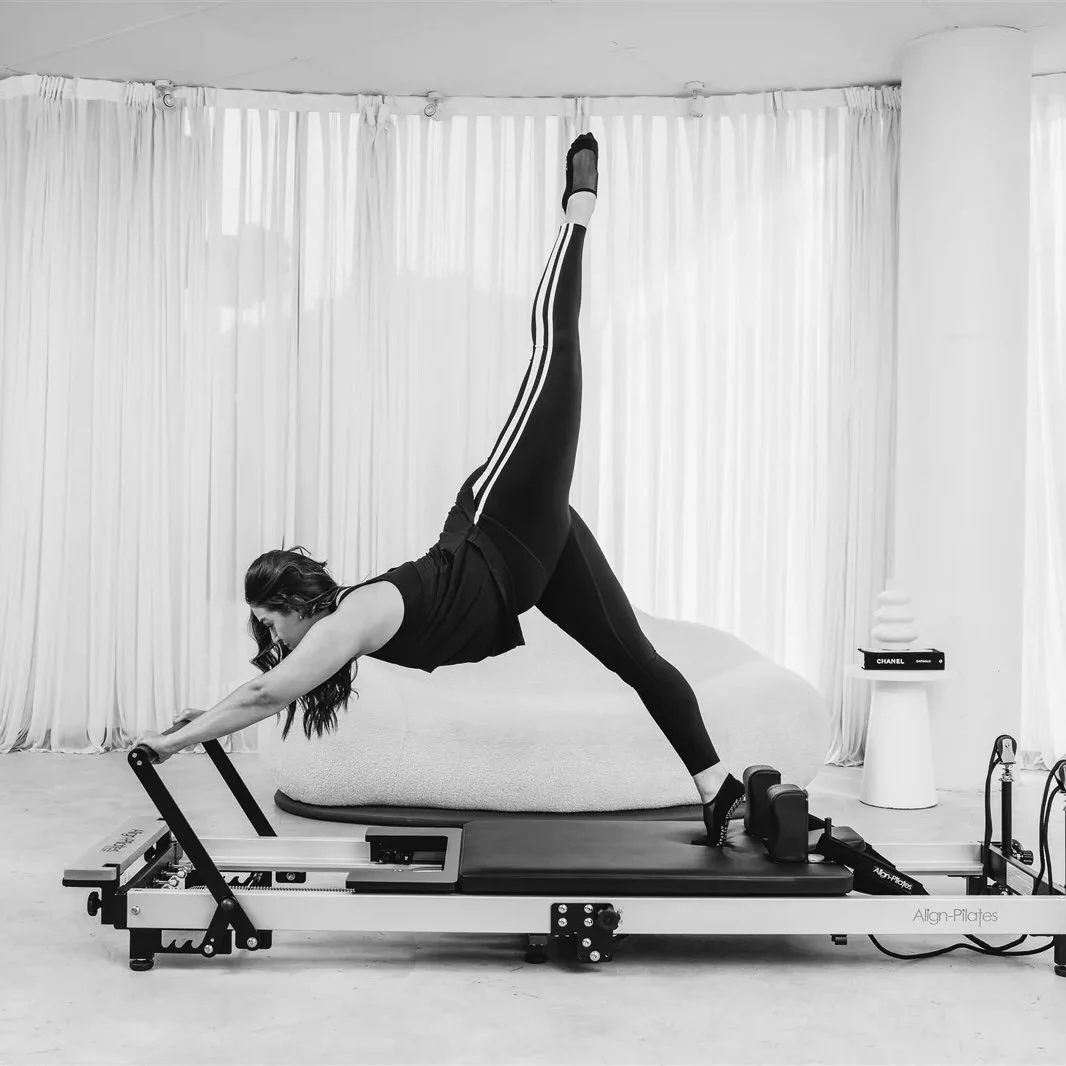
Is Reformer Pilates Enough? A Critical Look for the Injury-Free Individual Seeking Longevity
Reformer Pilates isn’t enough—here’s why healthy, injury-free adults should look elsewhere if they’re training for real strength, resilience, and long-term independence.

Rethinking the McGill Big 3: From Spine Sparing to Confidence Building in Low Back Pain Rehab
Many rehab professionals rely on the McGill Big 3 to treat low back pain — but is this doing more harm than good? This blog challenges outdated spine-protection narratives, offers modern pain science insights, and shows how to move clients from fear to freedom with intelligent, adaptable coaching.

Tendon Rehab: What Works, What Doesn’t, and Why It Matters
Tendon rehab isn’t about rest — it’s about smart, progressive loading. This blog breaks down the most common tendon issues, evidence-based rehab strategies, and why passive treatments alone often fail. If you’ve been stuck with stubborn tendon pain, this is your roadmap to recovery.

Rebuilding Strength and Confidence: Exercise and Rehabilitation After Breast Cancer
Cancer is life-changing, but recovery doesn’t stop when treatment ends. Here’s how rehabilitation and the right kind of exercise can play a powerful role in your physical, emotional, and long-term recovery after breast cancer.

Rebuilding After Prostate Cancer: Strength, Confidence, and Control Through Rehabilitation
From muscle loss and fatigue to urinary issues and low confidence—life after prostate cancer treatment can be tough. Here’s how rehabilitation and structured exercise can help you regain strength, control, and quality of life.

Reclaiming Your Body After Cancer: The Role of Exercise and Rehabilitation
Exercise during and after cancer treatment isn’t just safe—it’s powerful. Discover how a structured rehab and movement plan can rebuild strength, manage side effects, and restore confidence in your body.

Is Pilates Enough to Build Muscle as You Age? Here’s the Truth
Pilates is fantastic for core control, posture, and mobility — but when it comes to preserving and building lean muscle as you age, it’s not quite enough. This blog breaks down the role of Pilates in a strength-focused routine and explains why lifting should be part of the picture for healthy ageing.

Sciatica Isn’t a Diagnosis: What It Really Means and How to Fix It
Think you have sciatica? Think again.
“Sciatica” isn’t a diagnosis—it’s a vague label for nerve-related pain that can come from a range of causes. In this blog, we break down what’s really going on when you feel pain down the leg, why stretching and guesswork won’t solve it, and how targeted rehab can get you lasting relief.

Trigger Points: Pain Science or Placebo? Cutting Through the Compression Hype
Trigger points are one of the most widely accepted explanations for muscle pain — but are they real, or just a leftover idea from outdated theories? Despite decades of use, there’s no anatomical evidence for trigger points in cadavers, and diagnosis is highly unreliable. This blog cuts through the hype and explores what actually works: load, movement, education, and calming the nervous system.

Unstuck: The Truth About Muscle Adhesions and Fascia Myths
Think your muscles are “stuck” or bound by scar tissue? You’ve likely been sold a story. Despite what massage tools and therapists claim, fascia is incredibly strong—more like leather than cling film—and can’t be “broken up” with pressure. This blog unpacks the real science behind fascia, why manual therapy can’t fix what strength and control can, and how to stop chasing temporary releases in favour of lasting results.

Do Achilles Tendon Injuries Need Surgery?
The Achilles tendon is the thickest and strongest tendon in the body — but it’s not indestructible. Whether you’ve experienced a partial tear, full rupture, or chronic tendinopathy, the question often arises: Do I need surgery to recover? The answer depends on the type of injury, the degree of damage, and your performance goals. In many cases, surgery is avoidable. This article explores the latest evidence on managing Achilles injuries effectively.

Do Labral Tears Need Surgery?
Labral tears — whether in the shoulder or hip — are often met with anxiety and assumptions that surgery is inevitable. But is that really the case? While some labral tears do require surgical repair, many can be effectively managed with structured rehabilitation, improved biomechanics, and progressive loading. In this article, we explore when labral surgery is necessary, when it’s not, and what the best path to recovery looks like.

Do Meniscus Tears Need Surgery?
Meniscus tears are one of the most common knee injuries, affecting both athletes and older adults alike. But do all meniscus tears require surgery? The short answer is: not always. The treatment path depends on several factors, including the type of tear, your age, activity level, and overall joint health. This article breaks down when surgery is necessary, when it isn’t, and how to return to full strength safely.

IIs Pentadeca-Arginate (PDA) the Next Generation of BPC-157? A Smarter, More Stable Healing Peptide You’ve Never Heard Of
What Is BPC-157 and Why Has It Been So Popular?
BPC-157, a 15-amino acid peptide derived from a protein in human gastric juice, exploded in popularity for its reported ability to accelerate tissue repair, reduce inflammation, and support gut healing. But its major limitation? Poor oral bioavailability — it breaks down quickly in stomach acid, often requiring subcutaneous injections.
What Is Pentadeca-Arginate (PDA)?
Pentadeca-Arginate (PDA) is a synthetic peptide with the same number of amino acids as BPC-157, but with a critical difference: it includes an arginine modification that makes it far more stable in acidic environments. That means it could be more effective when taken orally — no needles required.

Do ACL Tears Always Need Surgery?
A torn anterior cruciate ligament (ACL) is one of the most feared knee injuries, especially among athletes and active adults. But while surgery is often the first thing people think of after hearing “ACL tear,” it’s not always necessary.
Whether you need ACL reconstruction surgery depends on several factors: your age, activity level, degree of instability, associated injuries, and personal goals.
This article explores when surgery is essential—and when it may not be.

Do Herniated Discs Need Surgery?
If you’ve been diagnosed with a herniated disc, you might be wondering if surgery is inevitable. The good news? Most don’t need it. In fact, the majority of disc herniations improve with structured rehabilitation, not scalpels.
Let’s break down who needs surgery, who doesn’t, and how to get back to pain-free movement.

