
From Elite Athlete to Training for the Love of It: Francis Cooke’s Return to Strength
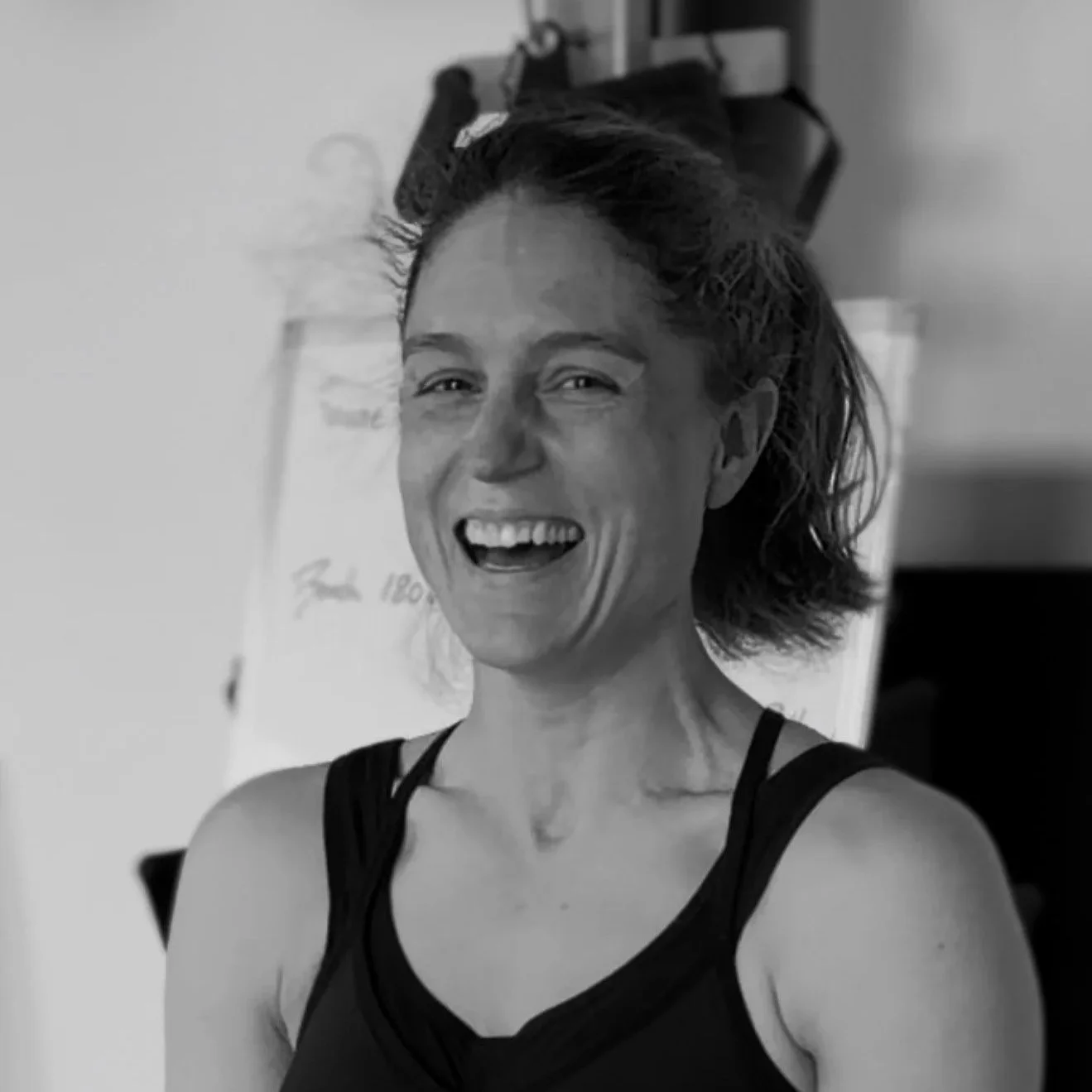
Francis Cooke has spent much of her life operating at a level most people will never experience. As a former GB gymnast and Olympic hopeful in high diving, her background is rooted in elite performance, where movement quality, physical control and discipline are not optional but expected.
At that level, training is structured around outcome. It is focused, demanding and, at times, uncompromising. The goal is clear: performance, selection, and ultimately, winning.
Now at 41, that goal has shifted.
Francis is no longer training for medals or national selection. Instead, she is training for something far more sustainable, strength, capability and enjoyment. The pressure has gone, but the standard has not. What remains is a desire to feel strong, to move well, and to reconnect with the physical ability that defined so much of her earlier life.
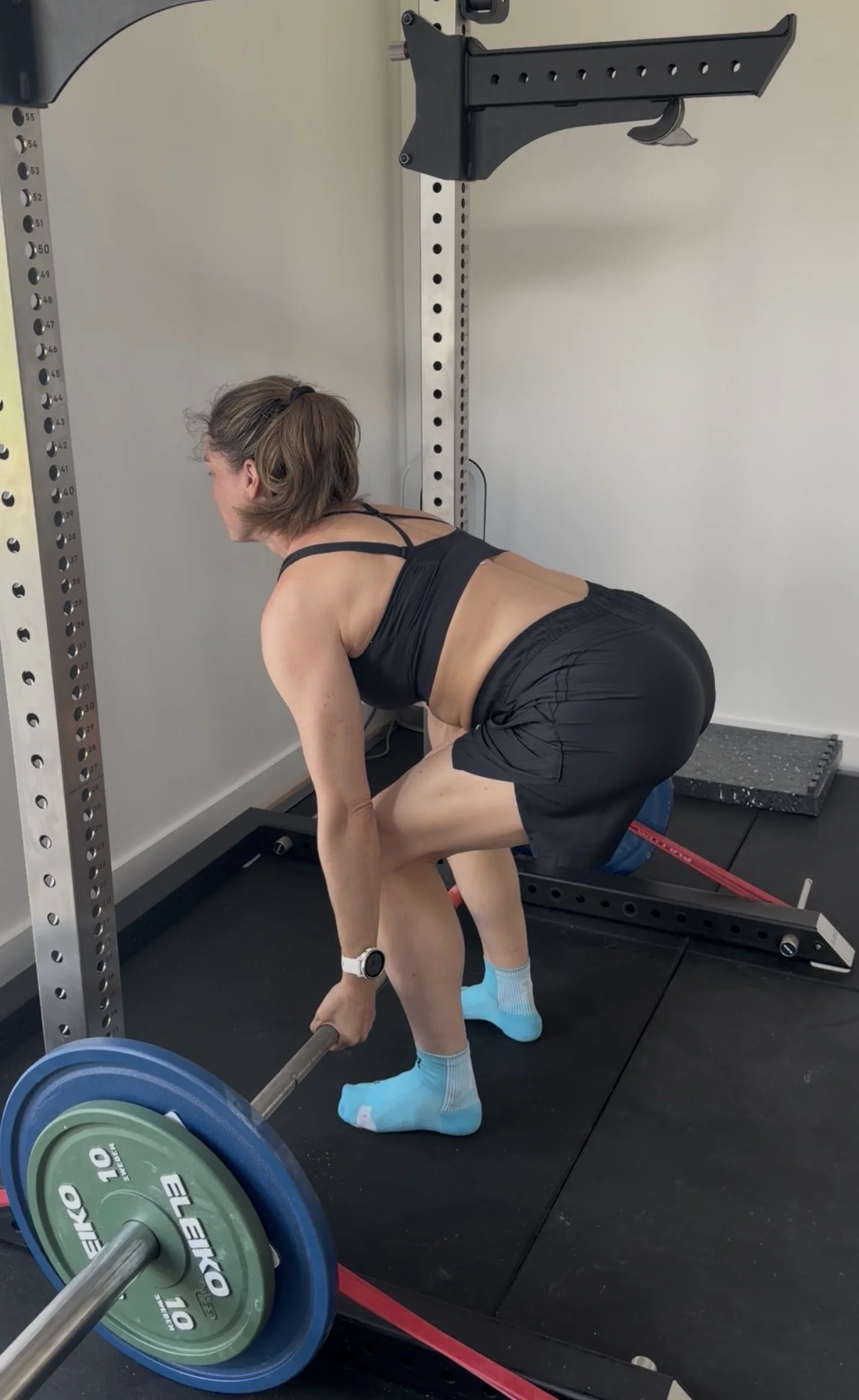
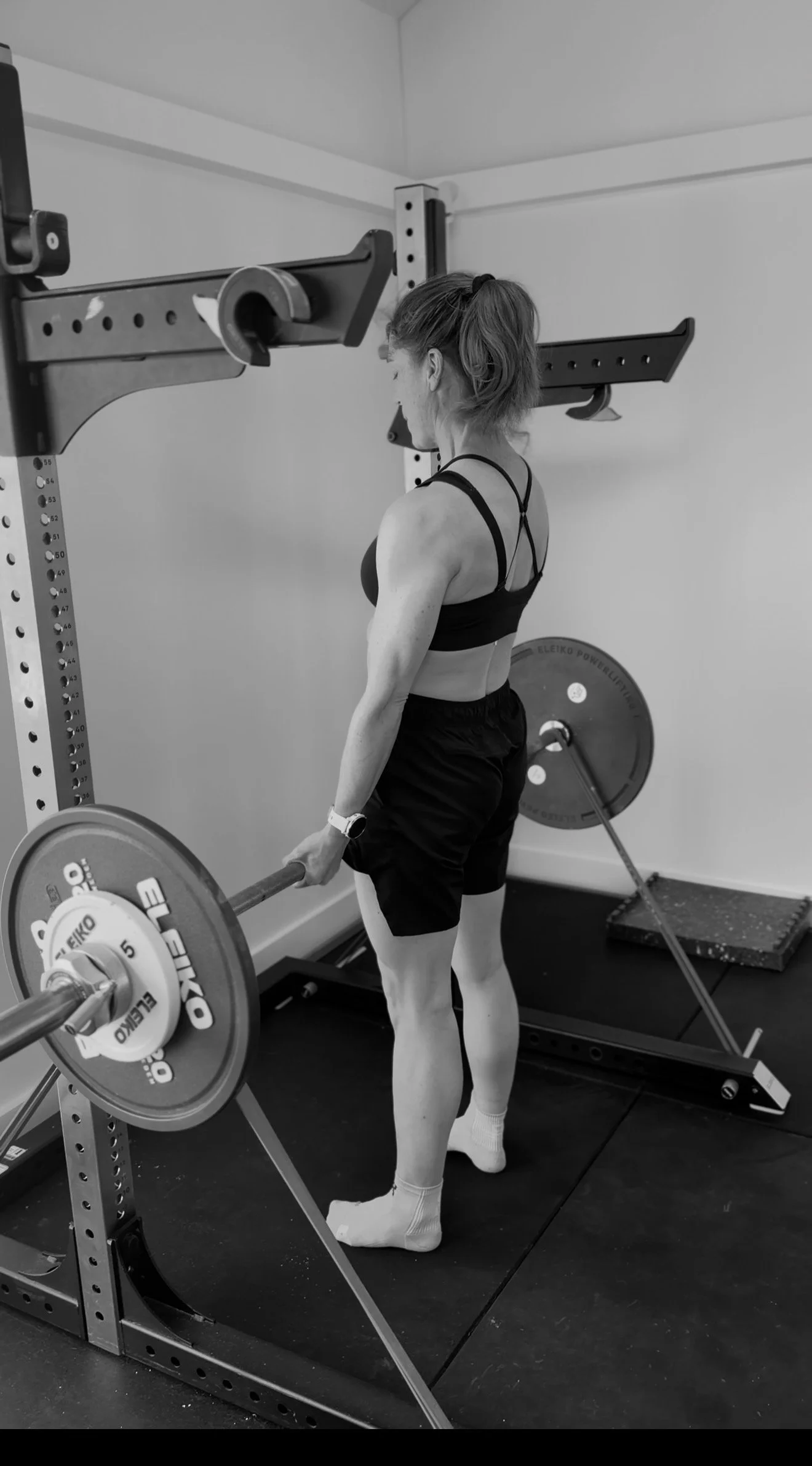
Interestingly, despite her elite background, Francis had never followed a structured strength programme using weights. Gymnastics develops exceptional relative strength, coordination and body control, but it does not always expose athletes to progressive external loading in the way that traditional strength training does. This presented a new challenge and a new opportunity.
What has followed is not a return to her twenties, but a progression into something different.
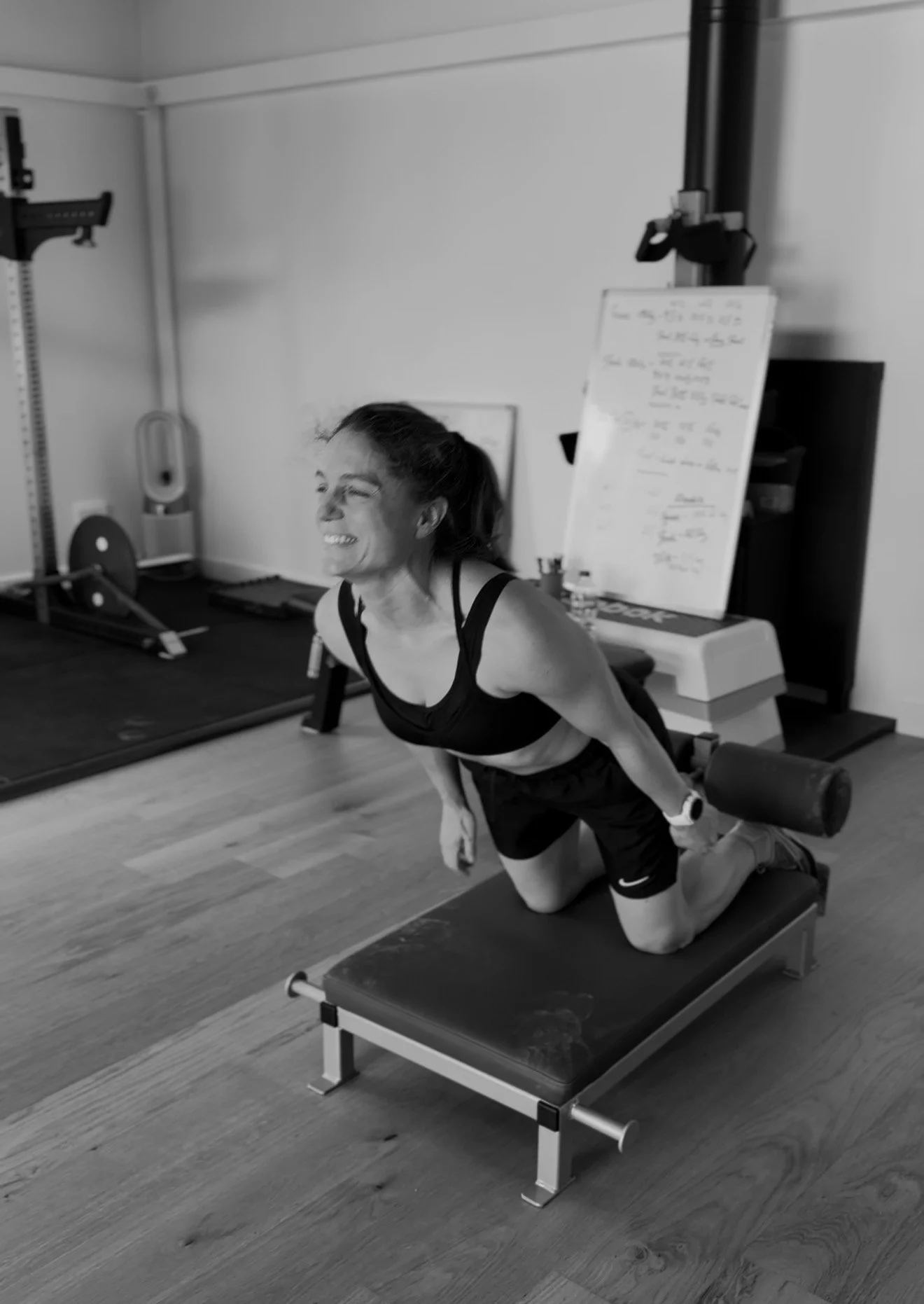
Strength training has allowed Francis to explore her physical capacity in a new way. It has introduced her to the sensation of lifting under load, of building strength through structured progression, and of developing resilience through consistent, deliberate training. This is not about recreating past performance, but about expanding current capability.
There is also a noticeable shift in mindset. Where training was once tied to expectation, it is now driven by choice. Francis trains because she wants to, not because she has to. That distinction changes the experience entirely. It allows space for enjoyment, for curiosity, and for rediscovery.
This carries over into how she moves outside the gym. Francis still dances and still incorporates elements of the gymnastic movement she developed years ago. The difference now is that these movements are supported by a renewed base of strength. Positions feel more stable, transitions more controlled, and there is a greater sense of confidence in what her body can handle.
This is what well-applied strength training does. It does not replace existing ability; it reinforces it.
There is a common assumption that once elite sport ends, physical capability inevitably declines. In reality, decline is not inevitable, it is simply the result of reduced stimulus. When strength is maintained and developed appropriately, the body continues to adapt.
Francis is a clear example of this.
She is not chasing performance for an audience. She is not training for validation. She is training for herself, to maintain strength, to move well, and to enjoy the process.
That is a far more sustainable model.
For many people in their 40s, particularly those with a sporting background, there is a tendency to compare current ability to past performance. Francis has taken a different approach. Rather than looking backwards, she is building forwards, using structured strength training as the foundation.
The outcome is not just physical.
It is a return to confidence in movement, a renewed connection to training, and a clear demonstration that strength, when applied properly, continues to develop long after competitive sport has finished.
