You Don’t Feel Your Glutes in RDLs? Here’s Why That Doesn’t Matter
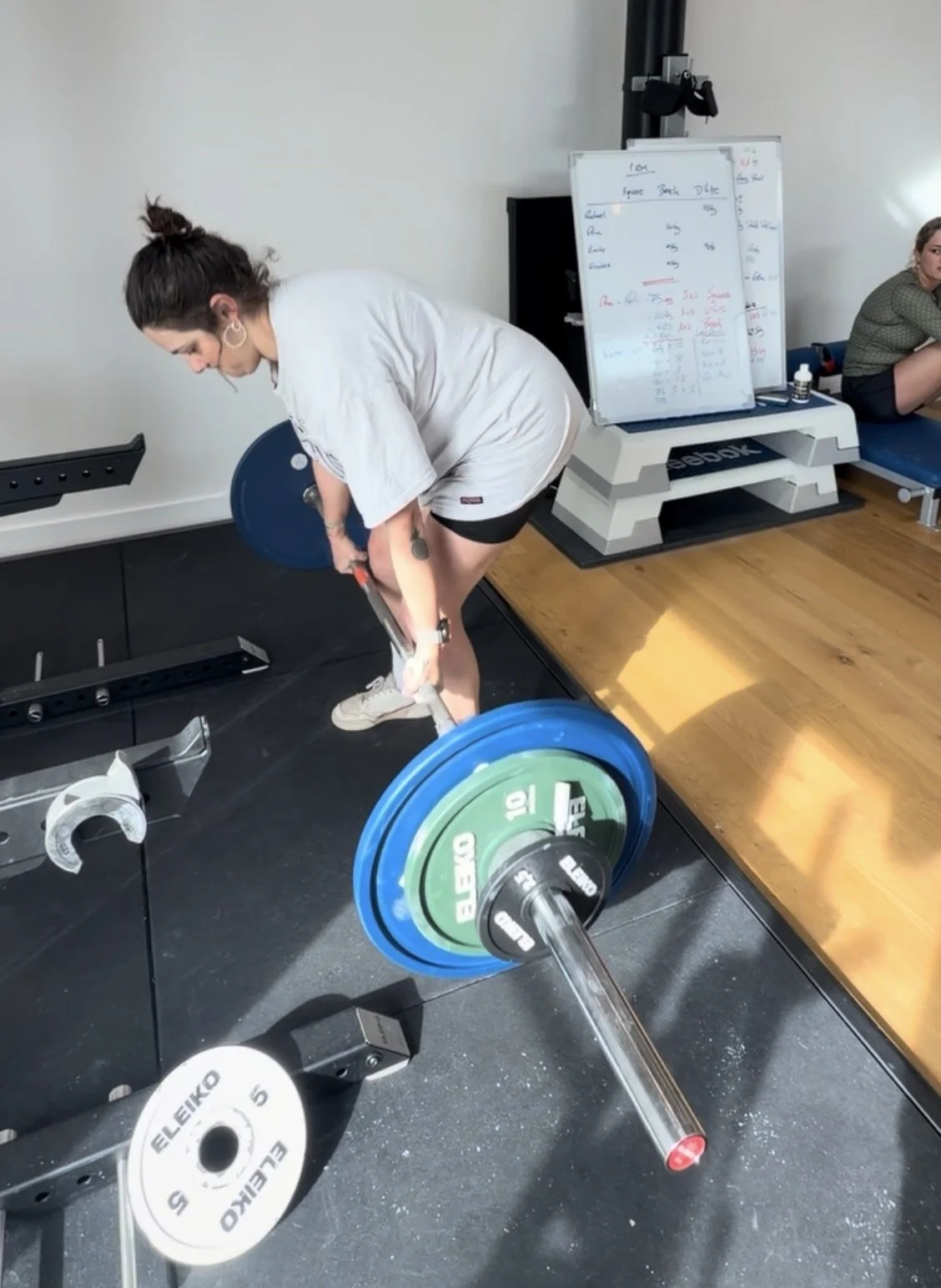
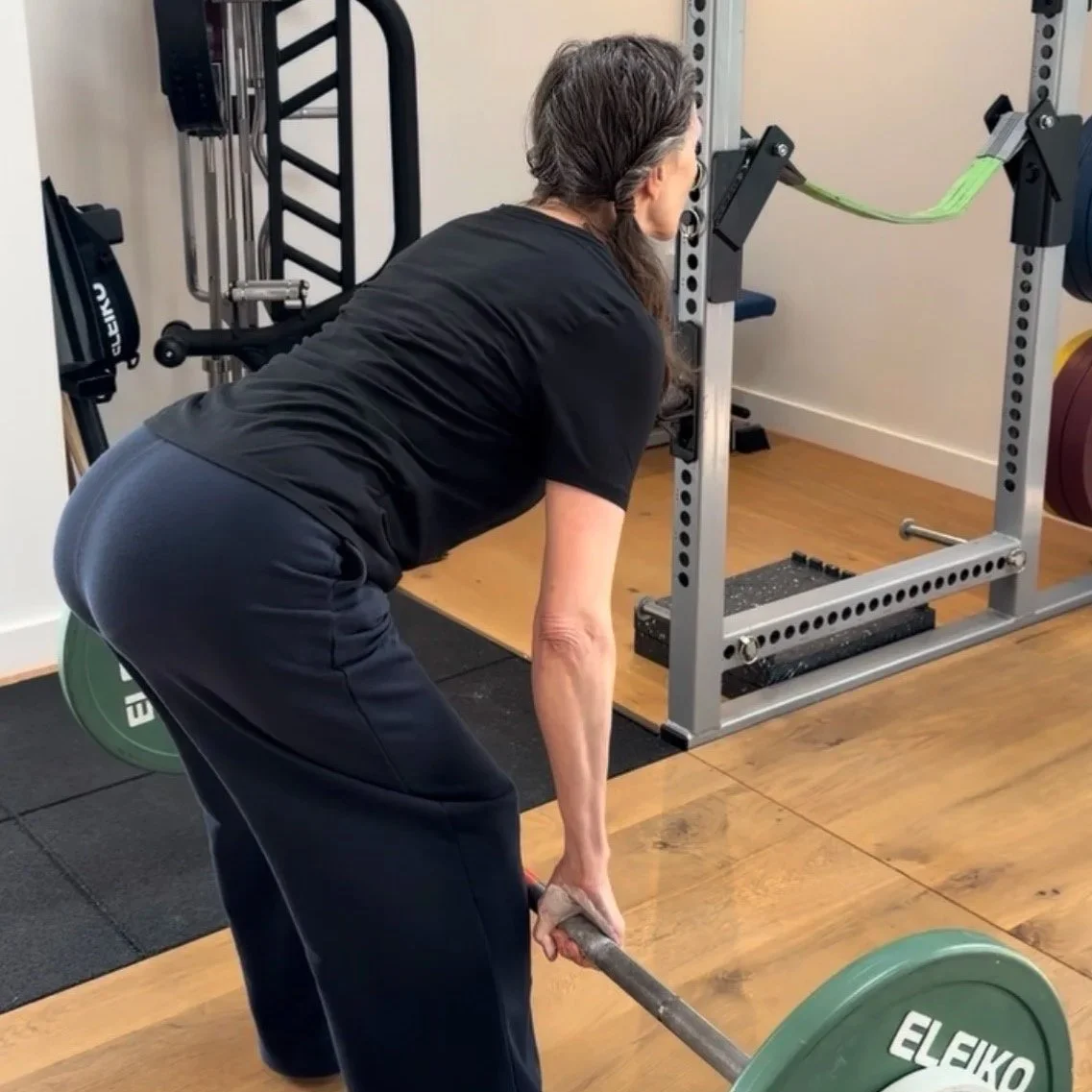
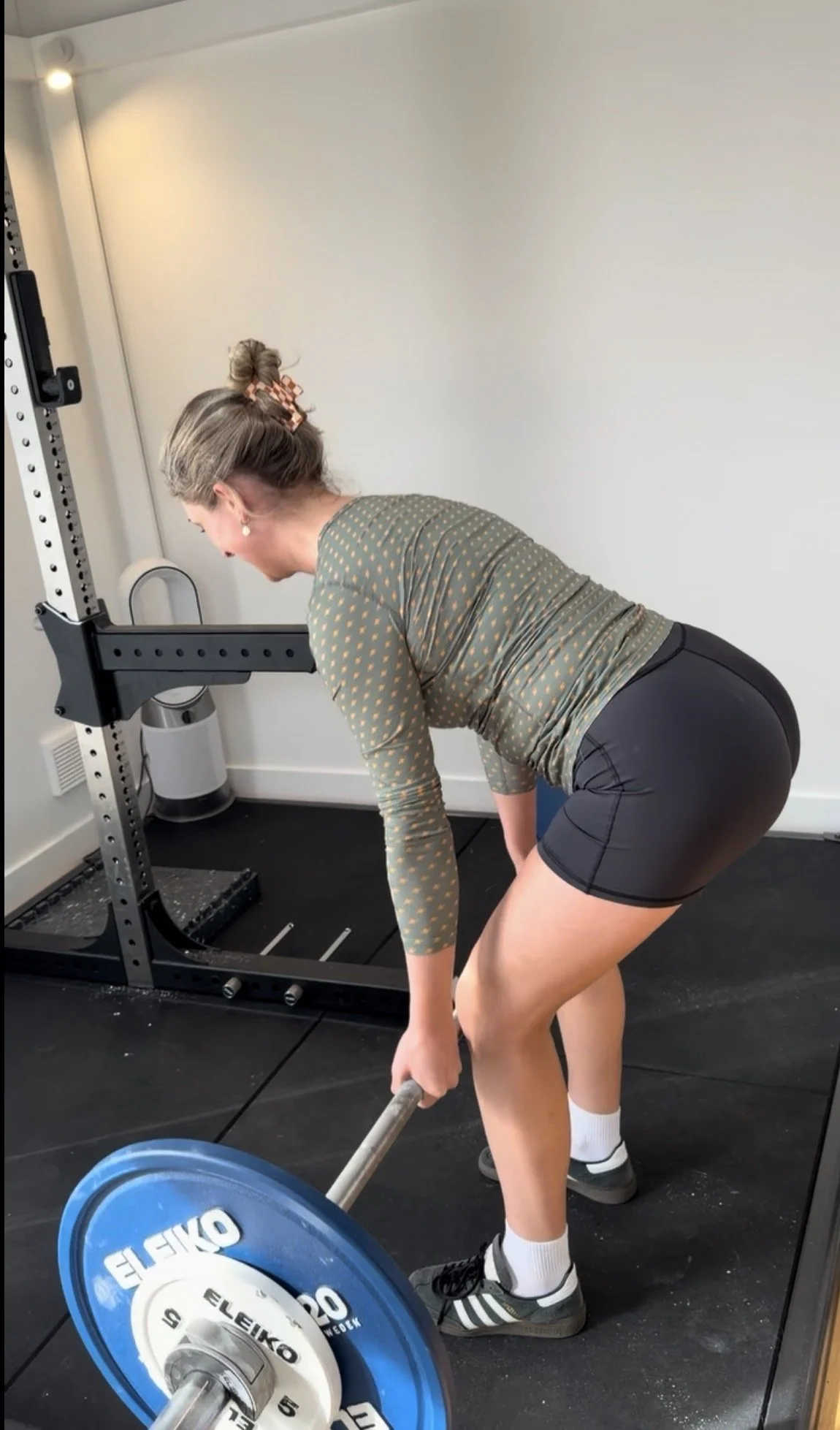
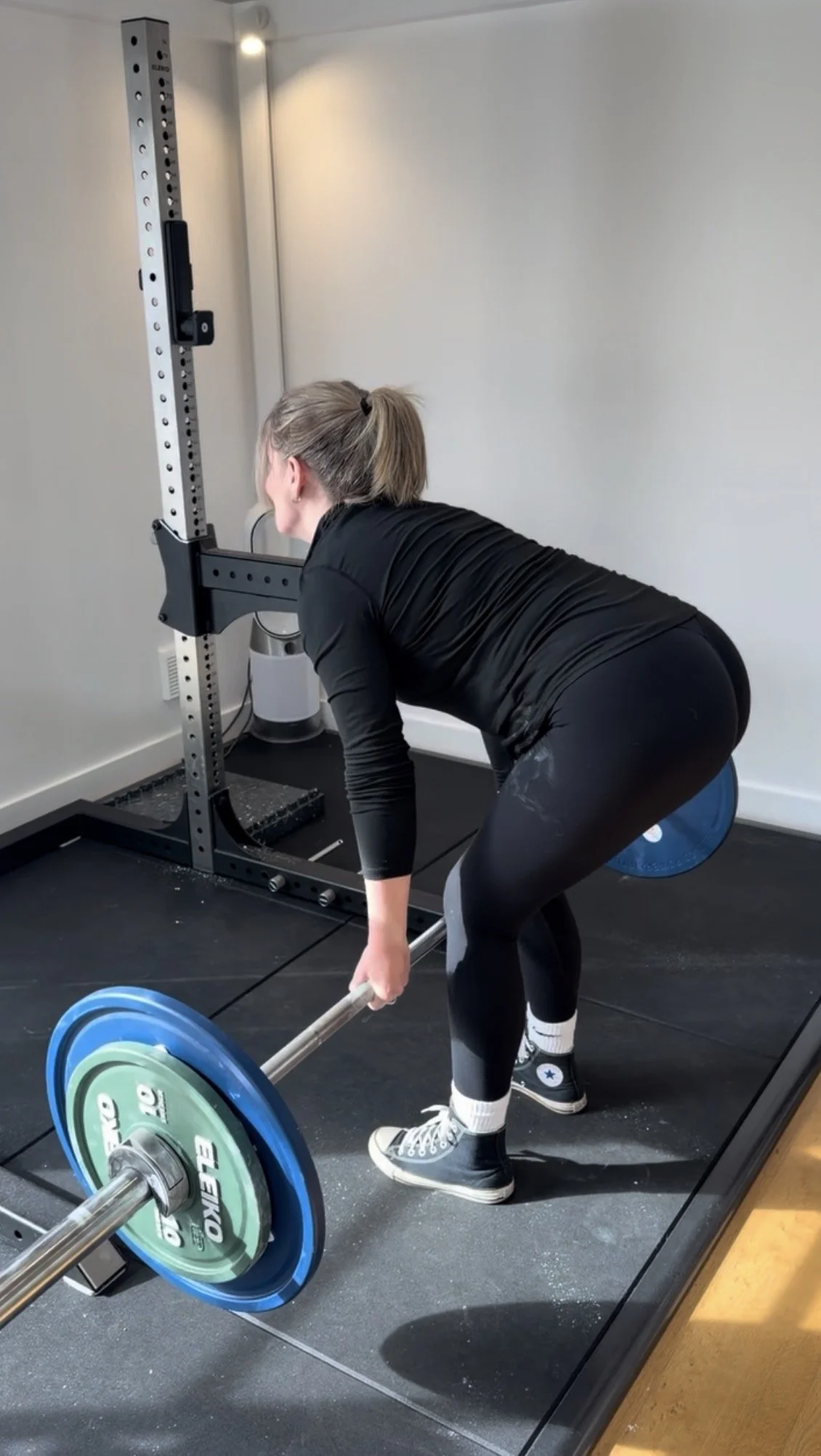
Walk into any gym and you will hear it within minutes: “I’m not feeling my glutes.” It has become the default way people judge whether an exercise is working, particularly in movements like the Romanian Deadlift (RDL). If the glutes are not burning, cramping, or screaming for attention, something must be wrong.
It sounds logical. It is also wrong.
The problem is not the RDL. The problem is the assumption that sensation equals effectiveness. Once you understand why that assumption breaks down, the entire conversation around glute training becomes clearer and far more productive.
The RDL Is a System, Not an Isolation Drill
The Romanian Deadlift is a hip hinge. That sounds simple, but it matters. It means the movement is designed to produce force through the hips using the entire posterior chain, not to isolate a single muscle.
When performed well, the RDL coordinates:
Gluteus maximus (primary hip extension)
Hamstrings (hip extension and length control)
Adductor magnus (often overlooked, but a powerful hip extensor)
Spinal erectors (position and stiffness)
Lats (bar control and force transfer)
The goal is not to “find” the glutes. The goal is to produce force efficiently through the hips while maintaining position under load.
The moment you try to turn that into a glute isolation exercise, you start solving the wrong problem. You adjust stance, shift balance, add constraints, and reduce load all in the pursuit of a feeling. In doing so, you often move further away from what makes the movement effective in the first place.
Why You Don’t Feel Your Glutes (Even When They’re Working Hard)
There are several reasons why the RDL rarely produces the kind of glute sensation people expect, particularly as loads increase.
First, the glutes are heavily loaded in a lengthened position. At the bottom of the hinge, the hips are flexed and the glutes are under stretch. This is where a large portion of the mechanical tension occurs. However, muscles under stretch do not always produce strong conscious sensation. They are working, often hard, but not in a way that creates a clear “burn.”
Second, the RDL does not emphasise peak contraction. Unlike a hip thrust, where the top position encourages an active squeeze, the RDL is defined by controlled descent and forceful extension through mid-range. There is no prolonged end-range contraction, and therefore less opportunity to “feel” the glutes in a way people recognise.
Third, as loads increase, your perception changes. Heavy compound movements are experienced as global effort, not local fatigue. Your attention shifts to maintaining balance, controlling the bar, and keeping your spine stable. The system is working as a whole. Expecting a single muscle to dominate your perception in that context is unrealistic.
Sensation vs Stimulus: The Mistake Most People Make
The belief that you need to feel a muscle for it to grow or strengthen is not supported by how adaptation actually works.
Mechanical tension the force experienced by a muscle under load is the primary driver of strength and hypertrophy (Schoenfeld, 2010). That tension does not depend on your ability to perceive it. You can increase sensation without increasing tension, and you can increase tension without increasing sensation.
This is where many lifters go wrong. They chase the feeling rather than the outcome.
A common response to not feeling the glutes in an RDL is to modify the movement:
Shifting weight forward or backward
Elevating the heels
Adding constraints behind the knees
Reducing load to “focus” on the muscle
These changes often succeed in one thing: they increase sensation. But they frequently come at the cost of:
Stability
Efficient force transfer
Total load used
Long-term progression
In other words, you feel more, but you achieve less.
“What Is a ‘Glute Deadlift’ (GDL)?”
You may have come across the term “glute deadlift” or GDL, often presented as a variation specifically designed to target the glutes more effectively than a standard Romanian Deadlift.
In practice, this is not a distinct movement pattern. It is still a hip hinge.
What changes are the variables around it—stance, balance, constraints, or cues—all of which can alter how the movement feels. These adjustments may increase the perception of glute involvement, but they do not fundamentally change the role of the glutes within the exercise.
The glutes are already a primary contributor to hip extension in a well-executed RDL. Renaming a variation does not alter that.
This matters because it reinforces the idea that if you are not feeling your glutes, you need a different exercise. In reality, the issue is rarely the exercise itself. It is more often a misunderstanding of how compound movements work and what they are supposed to feel like.
A hinge does not become more effective because it has been rebranded. It becomes more effective when it is performed well, loaded appropriately, and progressed over time.
What Actually Tells You the Glutes Are Working
If sensation is not the answer, what is?
You assess the effectiveness of the RDL by looking at what it produces over time, not what it feels like in the moment.
A well-executed RDL should show:
Consistent increases in load or volume
A stable, controlled hinge pattern
A bar path that stays close to the body
Improvements in posterior chain strength
Visible changes in muscle development over time
If those boxes are being ticked, the glutes are contributing. They have to be. The movement does not work otherwise.
When Feeling the Glutes Can Be Useful
There are situations where developing a sense of the glutes is helpful, particularly early on.
For beginners or in rehabilitation contexts, simple exercises can build awareness:
Glute bridges
Hip thrusts
Split squats
These allow individuals to understand what hip extension feels like without the complexity of a heavy hinge.
But this is a starting point, not the end goal. As soon as load becomes meaningful, training must move beyond sensation and towards output.
The Role of the RDL in a Well-Structured Program
The RDL earns its place in a programme because it allows you to:
Load the posterior chain heavily and safely
Develop strength at longer muscle lengths
Build resilience in the hips and spine
Progress over time in a measurable way
It is not there to create a burn. It is there to build capacity.
When you reduce it to a tool for “feeling your glutes,” you strip away the very qualities that make it valuable.
Final Thought
If you do not feel your glutes during RDLs, it does not mean they are not working. It means you are performing a compound movement that distributes effort across a system, rather than isolating a single muscle for the sake of sensation.
The real question is not what you feel—it is what you are building.
If your lifts are progressing, your movement is controlled, and your posterior chain is getting stronger, then the glutes are doing exactly what they are supposed to do.
Key Takeaway
The RDL is a posterior chain movement, not a glute isolation exercise
Lack of sensation does not mean lack of stimulus
Mechanical tension and progression drive results—not “feeling it”
Chasing sensation often reduces efficiency and long-term progress
If you’re unsure whether you’re training effectively or just chasing a feeling, we’ll show you the difference.
Book a session at Poseidon Performance and learn how to train with purpose not guesswork.
References
Schoenfeld, B. J. (2010). The mechanisms of muscle hypertrophy and their application to resistance training. Journal of Strength and Conditioning Research.
Maeo, S., et al. (2021). Effects of lengthened partial range of motion resistance training on muscle hypertrophy. European Journal of Sport Science.
Kassiano, W., et al. (2023). Training at long muscle lengths for hypertrophy: A systematic review. Sports Medicine.
