Stop Believing These RDL vs SLDL Instagram Reels
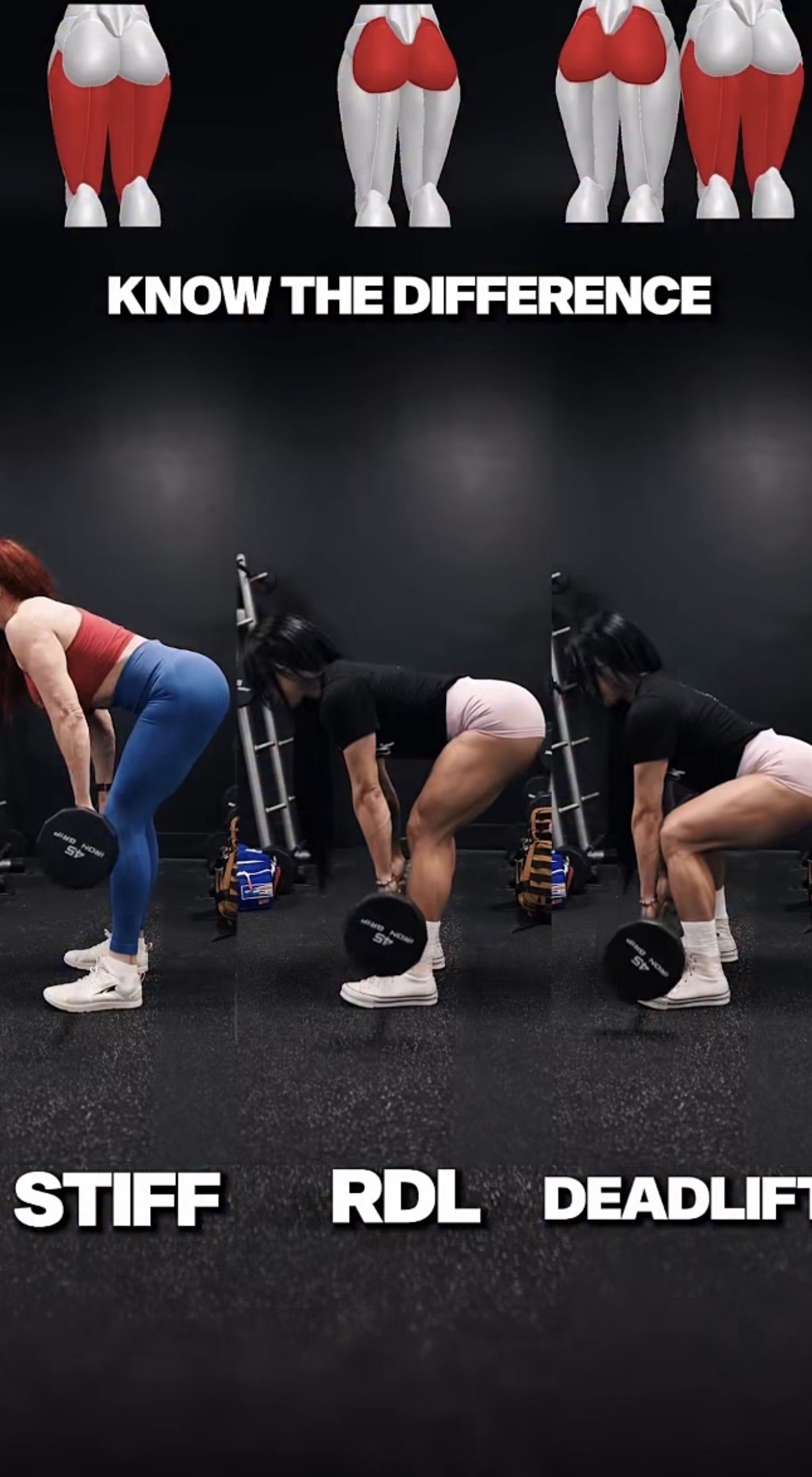
They’re Wrong, Oversimplified, and Bad Coaching
If you’ve seen one, you’ve seen ten.
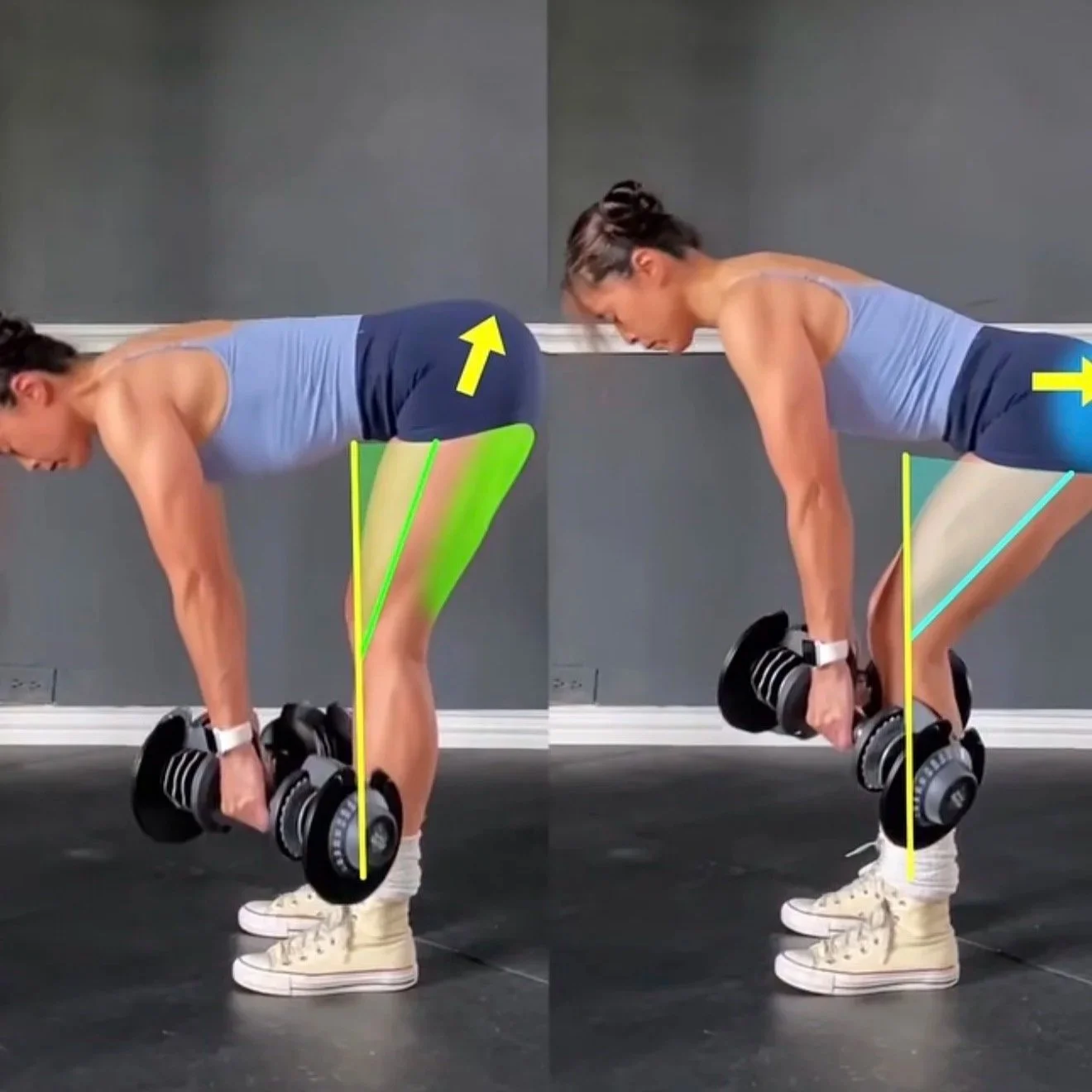
Side-by-side videos.
Bright muscle overlays.
Arrows on the hips.
And the confident claim:
“RDL = glutes
SLDL = hamstrings”
Here’s the truth, plainly:
These reels are rubbish.
They look smart. They sound confident. And they completely misunderstand how your body works.
1. They’re showing the same exercise twice
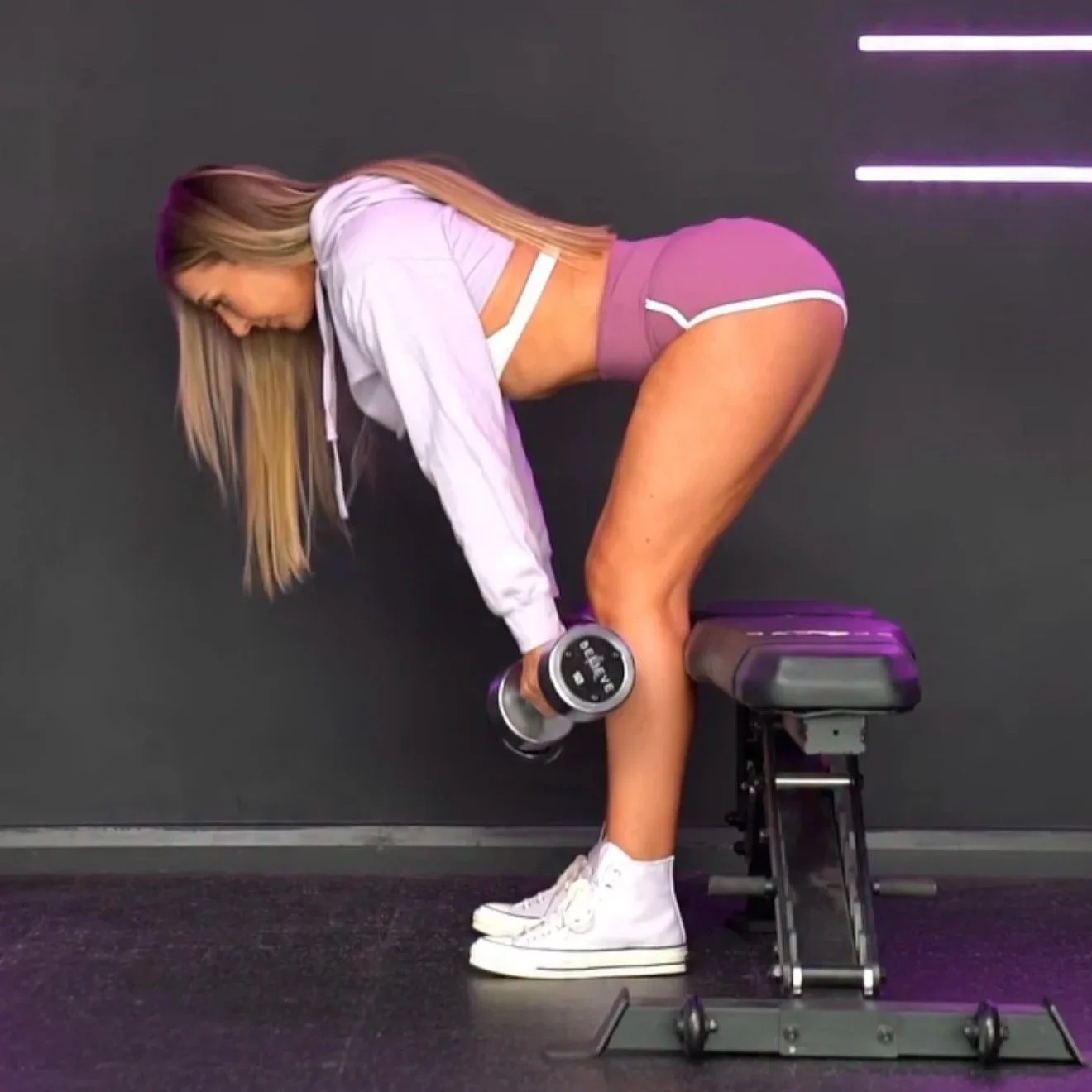
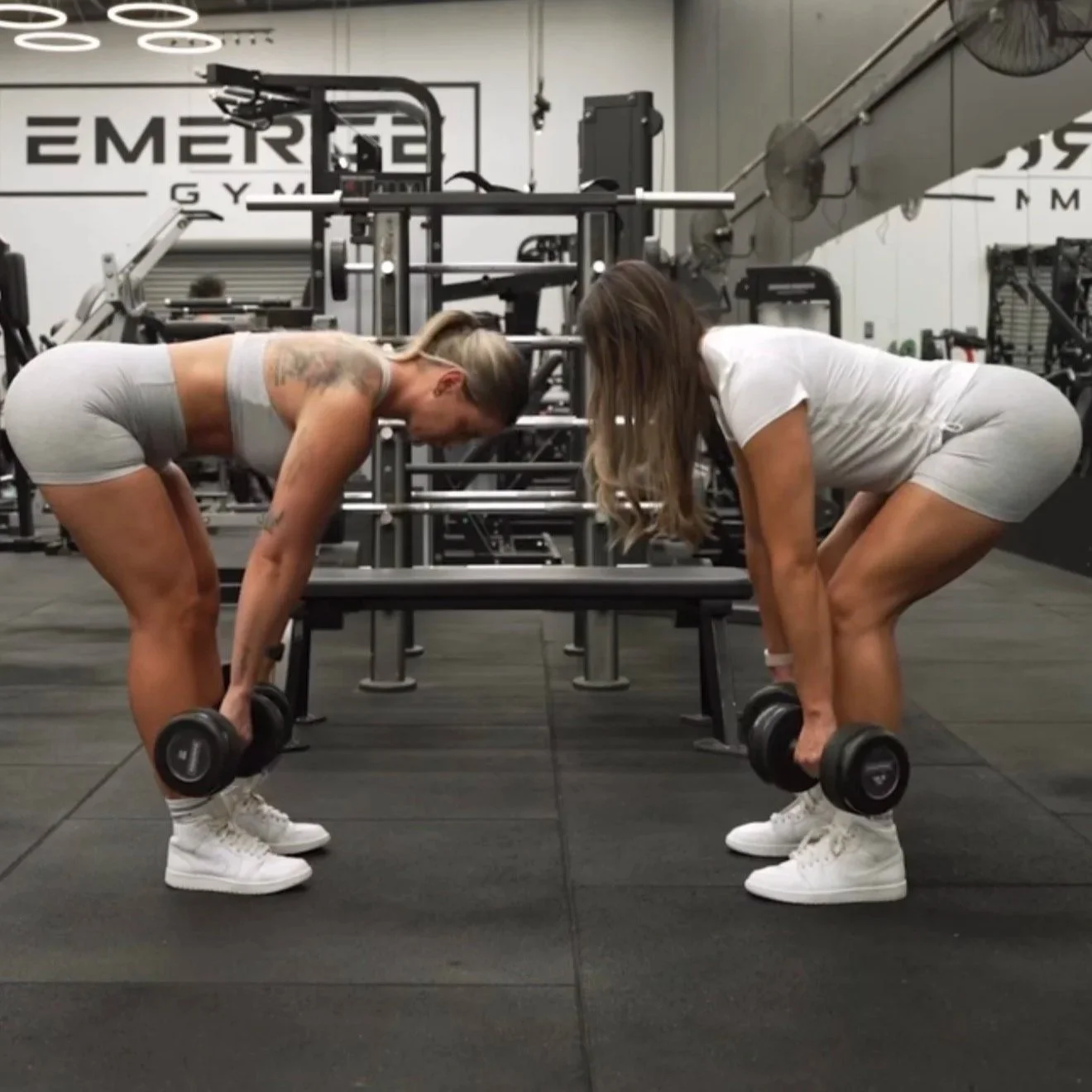
Both versions are the same basic movement:
You bend at the hips
Your knees stay mostly straight
You lift the weight back up
That’s called a hip hinge.
Changing how much you stick your bum out or bend your knees a tiny bit does not magically turn it into a different exercise.
It just changes how it looks on camera.
2. You cannot “turn off” your hamstrings like that
Your hamstrings cross:
Your hip
Your knee
As long as:
Your knees are fairly straight
You bend at the hips
Your hamstrings are working.
Every time. No exceptions.
So when an Instagram coach says:
“This version takes hamstrings out”
They’re either ignorant or lying for clicks.
3. Pelvic tilt is not muscle targeting
A favourite trick is exaggerated posture:
Big arch in the lower back
Bum pushed back
“Glute focus” arrows everywhere
That doesn’t change what muscles are doing the work.
It just:
Makes the lift look different
Often puts more strain on your lower back
Helps the video look “educational”
Good posture on Instagram ≠ good biomechanics.
4. Muscle diagrams don’t mean muscle control
Those red-and-green muscle pictures?
They’re marketing, not science.
They don’t show:
How much force a muscle produces
Which muscle is doing most of the work
What’s actually being loaded
They’re there to make you feel like something precise is happening.
It isn’t.
5. This is why these coaches love these reels
Because they:
Sound simple
Give fake certainty
Make people feel clever for “knowing the difference”
Real coaching is boring by comparison:
It depends on the person
It depends on the load
It depends on tolerance, history, and goals
Instagram doesn’t like that.
6. The reality, in plain English
If your knees are mostly straight and you’re hinging at the hips:
Your hamstrings are working
Your glutes are working
Your back is working
You are not isolating anything.
You are biasing slightly — and even that depends on the person.
7. Why this actually matters
This isn’t harmless content.
People:
Avoid exercises thinking they’re “hamstring safe”
Overload movements based on fake targeting
Get injured following advice that sounds confident but isn’t true
And then they think they did something wrong.
They didn’t. The advice was bad.
Final message
If someone on Instagram tells you:
“Do this version to hit glutes, this version to hit hamstrings”
They’re not coaching you.
They’re feeding you content.
Good training isn’t about tricks, angles, or arrows.
It’s about mechanics, load, and progression.
If it sounds too neat to be true in fitness…
it almost always is.
