
Train Your Glutes Properly - Or Accept the Consequences


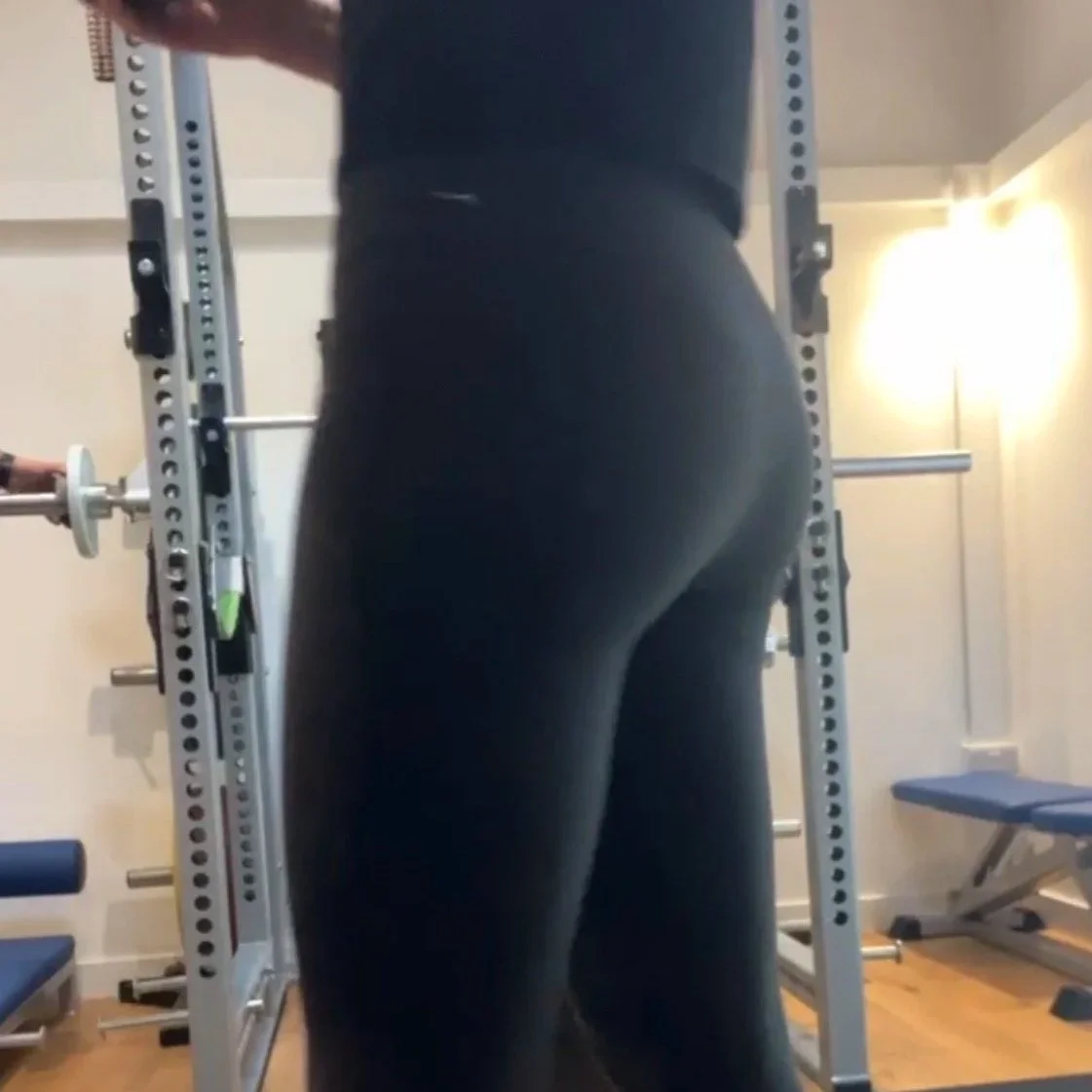

There’s a reason every serious strength programme is built around squats, deadlifts, hip thrusts and loaded carries. It’s not because they look impressive on Instagram. It’s because your glutes are the largest and most metabolically powerful muscle group in your body — and when you train them properly, everything changes. Not just how you look…How you age.
The Glutes Are Not a “Tone” Muscle
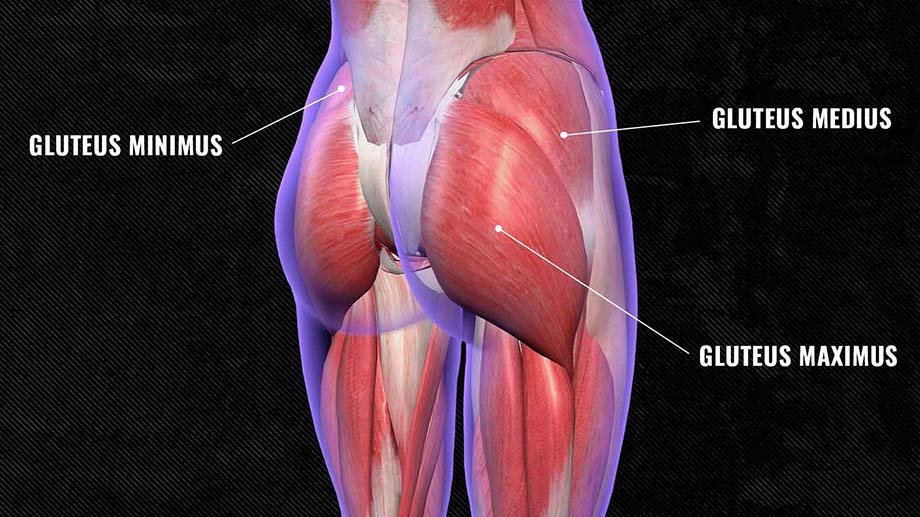
Glute Muscles
The gluteus maximus is the primary driver of hip extension. That means it’s responsible for standing up, climbing stairs, running, jumping, and stabilising your pelvis under load.
When glutes are weak:
The lower back compensates.
Knees collapse inwards.
Hips become stiff and dysfunctional.
Balance deteriorates.
Over time, this creates the classic ageing pattern we see daily in clinic settings: reduced stride length, slower gait, pelvic instability, and eventually loss of confidence in movement.
But when glutes are trained progressively under meaningful load, the opposite occurs.
Strength increases.
Bone density improves.
Metabolic health improves.
Posture improves.
Movement becomes efficient again.
Ageing slows — because the body is forced to adapt.
Heavy Glute Training Signals the Entire System
Your glutes are not isolated. They are neurologically and hormonally influential.
Large compound movements involving the hips create:
High mechanical tension
Significant motor unit recruitment
Systemic anabolic signalling
Increased insulin sensitivity
Greater glucose disposal
Put simply: when you train your glutes hard, your body shifts toward maintenance and repair rather than breakdown. This matters more after 40 than it does at 25. Loss of muscle mass (sarcopenia), declining bone density, insulin resistance and reduced collagen integrity are not cosmetic problems. They are physiological decline and the glutes are one of the most powerful levers you can pull to interrupt that decline.



The Aesthetic Conversation Misses the Point
Yes, stronger glutes improve body composition.
Yes, they create shape.
But the deeper mechanism is metabolic.
The glutes are one of the largest glucose sinks in the body. When you increase lean mass and train it regularly:
Blood sugar control improves
Glycation reduces
Collagen breakdown slows
Inflammatory load decreases
This is not skincare, this is systemic adaptation. If someone is experiencing hollowing, frailty, reduced tissue quality, or rapid changes in body composition, it is rarely solved by doing more Pilates or more cardio. It is solved by progressive resistance training.
What Proper Glute Training Actually Looks Like
This is where most people go wrong.
Glute activation bands and endless kickbacks are not sufficient stimulus.
Effective glute training includes:
Progressive barbell hip thrusts
Loaded squats (front, back, safety bar)
Romanian deadlifts
Step-ups under load
Single-leg strength work
Sprinting or power work where appropriate
The key variable is load progression.
If resistance never increases, adaptation never occurs.
At Poseidon Performance, we regularly see women who have been told not to lift more than 20kg progressing safely to lifting 100–125% of their bodyweight within structured programming. Not because they are extreme. Because they were underloaded for years.
Glute Strength Is a Longevity Marker
In ageing populations, hip strength correlates strongly with:
Reduced fall risk
Better balance
Greater independence
Improved walking speed
Reduced hip fracture risk
If you want to remain independent in your 60s, 70s and 80s, your glutes cannot be optional. They must be trained deliberately.
The Real Message
Your face reflects systemic health.
Your posture reflects neuromuscular integrity.
Your confidence reflects physical capability.
And your glutes underpin all of it. Not because they are fashionable, because they are foundational.
Train them properly…Load them progressively…Recover well.
And you are not just building muscle.
You are building resilience.
If you want structured, clinically informed strength training in Dartmouth focused on longevity, independence and real physiological adaptation — that is what we do.
Strength is not cosmetic.
It is biological insurance.
