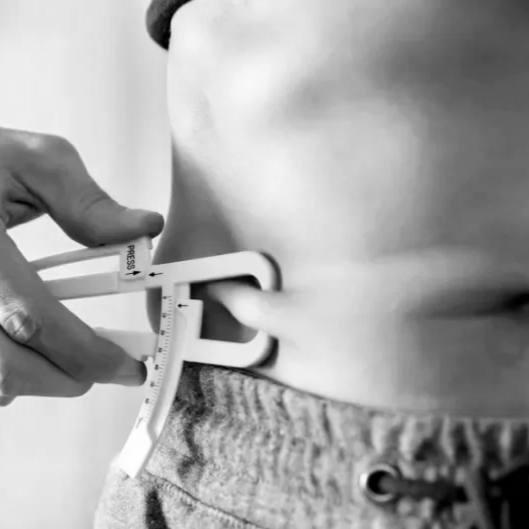
HGH Fragment 176-191: Fat Loss, Myths, and What the Science Really Says
In the world of performance enhancement and weight loss, HGH Fragment 176-191 has gained a reputation as a “fat-melting” peptide. Popular on forums, social media, and in bodybuilding circles, it’s marketed as a safer, targeted alternative to full human growth hormone (HGH).
But does it really work? Is it legal? And is it worth the hype?
This article breaks down the science, dispels the myths, and explains how it compares to safer, evidence-based fat-loss strategies.
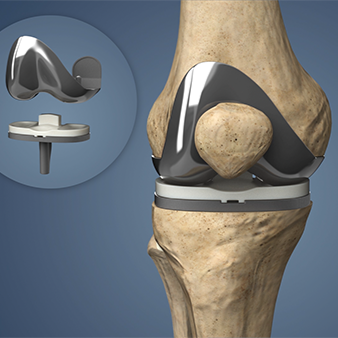
Essential Guide to Knee Replacement Rehabilitation: Prehab, Recovery Phases, and Long-Term Success
Discover the essential guide to knee replacement rehabilitation. From pre-surgery preparation to recovery exercises and long-term strategies, this step-by-step plan supports both total and partial knee replacements for lasting mobility and strength.

The Essential Guide to HCG 5000 IU Peptide
Human chorionic gonadotropin (HCG) is a glycoprotein hormone naturally produced during pregnancy. It functions much like luteinizing hormone (LH), signalling the ovaries or testes to produce reproductive hormones. The “5000 IU” simply refers to the vial’s concentration — a high-dose preparation often prescribed for fertility and hormone optimisation.

The Hidden Risks of Overtraining: How to Spot, Prevent, and Reverse It
Pushing yourself in training is essential for growth—but there’s a fine line between optimal challenge and destructive overload.
Overtraining syndrome (OTS) can derail months of progress, increase injury risk, and leave athletes feeling constantly fatigued and demotivated. It’s common in competitive athletes, CrossFitters, and runners who believe “more is better.”
In this article, we’ll break down what overtraining really is, how to recognise it early, and—most importantly—how to prevent and reverse it using proven recovery and rehabilitation strategies.

Testosterone Therapy vs. Natural Optimisation: What Really Works for Strength, Recovery, and Longevity
Testosterone is a cornerstone hormone for strength, recovery, bone health, mood, and vitality.
For many men and women over 40, declining testosterone can lead to slower recovery, reduced energy, stubborn fat gain, and lower motivation. This often prompts the question: Is testosterone therapy (TRT) the answer, or can you boost testosterone naturally through lifestyle changes?
In this article, we’ll explore natural testosterone optimisation strategies first, then examine the evidence, benefits, and risks of TRT—so you can make an informed choice for long-term health and performance.
BPC-157 and TB-500: The Truth About Healing Peptides, Dosage, and Risks
When it comes to injury recovery and performance enhancement, few topics stir as much interest—and controversy—as BPC-157 and TB-500. Branded by enthusiasts as “healing peptides,” these compounds are increasingly discussed in athletic, rehabilitation, and biohacking circles.
But do they really work? How are they dosed? And most importantly—are they safe and legal?
This article takes a science-based look at both peptides, cutting through the hype to explore what the research actually says, who might benefit, and where the risks lie.

Cathy Campos — Rebuilding Strength & Confidence Ahead of Surgery
Dartmouth local Cathy Campos, living with MS and awaiting knee replacement surgery, transformed her strength and confidence in just six sessions at Poseidon Performance—progressing from lifting a 12 kg kettlebell to 45 kg on the trap-bar while improving posture, energy, and whole-body stability.

Stretching Doesn’t Fix Tightness: Here’s What to Do Instead
Still feeling tight no matter how much you stretch?
You’re not alone—and the problem likely isn’t flexibility. Most muscle tightness is your nervous system protecting an underprepared area, not a sign you need more stretching.
In this blog, we break down why tightness is a sensation, not a diagnosis—and why strength, control, and load-specific training are the real long-term fix.
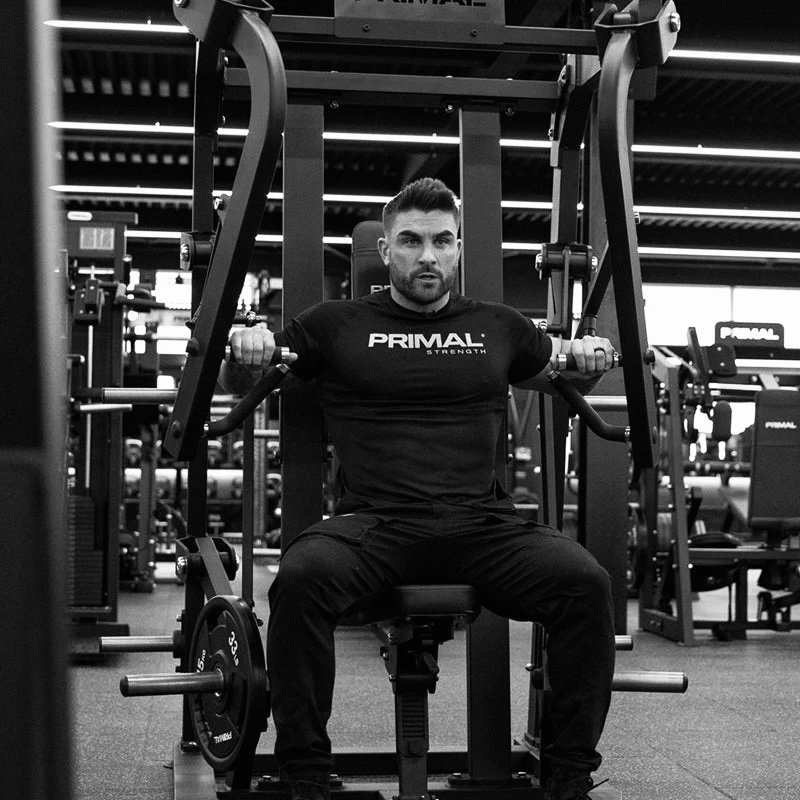
Why We Don’t Use Machines at Poseidon: The Case for Free Weights and Real Movement
We don’t use weight machines at Poseidon — because they don’t build real strength. Machines follow fixed paths designed for the average person. We coach movement that’s tailored to you — building strength, stability, and resilience that lasts.
Muscle Is Medicine: Why Strength Training Beats Cardio for Long-Term Metabolic Health
Struggling with fatigue, stubborn weight, or rising blood sugar despite staying active? The missing piece might be muscle. At Poseidon Performance in Dartmouth, we help adults over 45 reverse metabolic dysfunction through smart, evidence-based strength training. Discover why building strength—not chasing cardio—is the key to long-term health, energy, and resilience.

Physiotherapy: Expectations vs Reality
You expected a full rehab plan — not 15 minutes, a vibrating crystal, and a generic handout. At Poseidon Performance in Dartmouth, we integrate physiotherapy, strength & conditioning, and clinical rehab to help you rebuild strength and move pain-free for life.
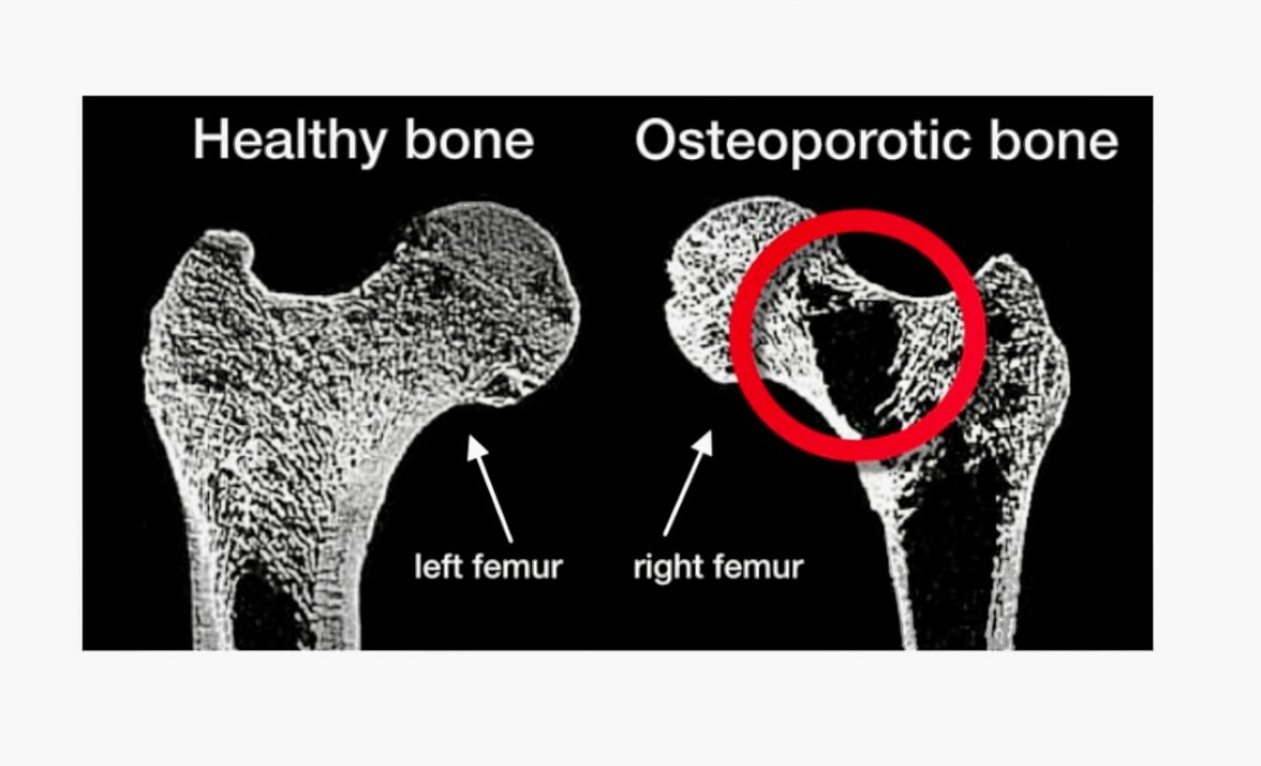
Bone Loss: The Silent Thief of Strength, Confidence and Independence
Bone loss affects nearly half of women over 50—but it doesn’t have to be inevitable. Strength training just 2–3 times per week can cut your fracture risk in half and help preserve independence, mobility, and confidence well into your 70s and beyond. Here’s how to futureproof your body, starting now.

Brain Fog, Mood Swings & Menopause: How to Stay Sharp, Strong & Centred
Struggling with brain fog, memory lapses, or feeling like you’ve lost your edge?
Menopause isn’t just a hormonal shift — it’s a neurological one. At Poseidon Performance, we help women over 50 reclaim clarity, strength, and confidence through evidence-based training that supports both body and brain. This blog breaks down exactly why brain health takes a hit during menopause — and what you can do to stay sharp, focused, and strong for life.

5 Elite Conditioning Methods Every Coach Should Know
Elite-level conditioning is more than just hard work—it’s smart, targeted, and strategic. This blog breaks down 5 proven methods to enhance cardiac output, lactate threshold, explosive power, and energy system efficiency. Ideal for coaches, athletes, and anyone serious about performance.

Should Pregnant Women Lift Weights? New Review Says Yes.
A groundbreaking 2025 review has confirmed what many strength coaches already suspected: resistance training during pregnancy is not only safe—it’s incredibly beneficial. From reducing pain and fatigue to lowering the risk of reproductive complications, strength training is proving to be one of the most powerful tools for a healthier pregnancy.
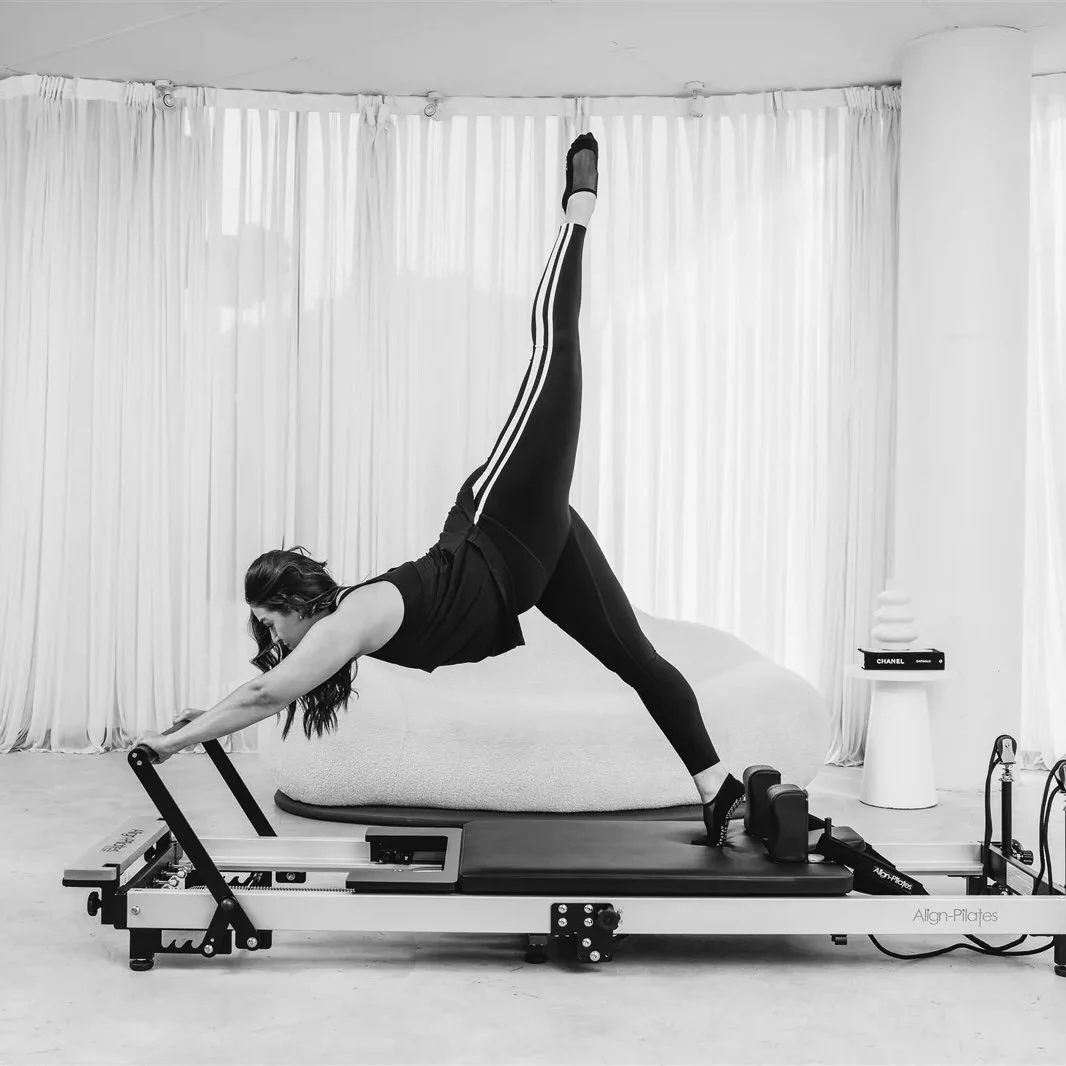
Is Reformer Pilates Enough? A Critical Look for the Injury-Free Individual Seeking Longevity
Reformer Pilates isn’t enough—here’s why healthy, injury-free adults should look elsewhere if they’re training for real strength, resilience, and long-term independence.

Rethinking the McGill Big 3: From Spine Sparing to Confidence Building in Low Back Pain Rehab
Many rehab professionals rely on the McGill Big 3 to treat low back pain — but is this doing more harm than good? This blog challenges outdated spine-protection narratives, offers modern pain science insights, and shows how to move clients from fear to freedom with intelligent, adaptable coaching.

Tendon Rehab: What Works, What Doesn’t, and Why It Matters
Tendon rehab isn’t about rest — it’s about smart, progressive loading. This blog breaks down the most common tendon issues, evidence-based rehab strategies, and why passive treatments alone often fail. If you’ve been stuck with stubborn tendon pain, this is your roadmap to recovery.

Rebuilding Strength and Confidence: Exercise and Rehabilitation After Breast Cancer
Cancer is life-changing, but recovery doesn’t stop when treatment ends. Here’s how rehabilitation and the right kind of exercise can play a powerful role in your physical, emotional, and long-term recovery after breast cancer.

Rebuilding After Prostate Cancer: Strength, Confidence, and Control Through Rehabilitation
From muscle loss and fatigue to urinary issues and low confidence—life after prostate cancer treatment can be tough. Here’s how rehabilitation and structured exercise can help you regain strength, control, and quality of life.

