
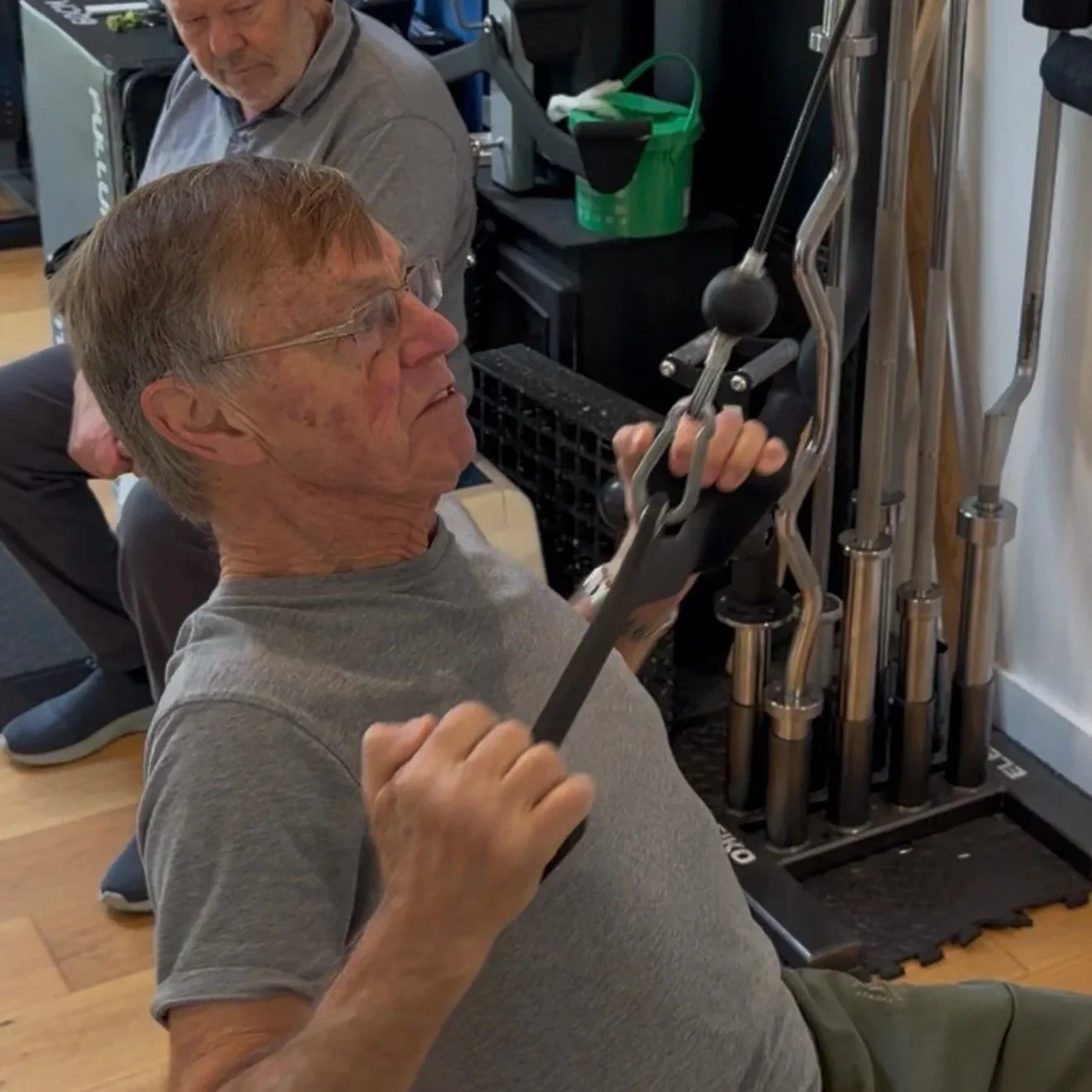
George Hardy
George spent two decades as Field Master of the Hunt, covering the countryside around Dartmoor for five or six hours at a time, often twice a week. Now retired from the role, he trains twice a week at Poseidon Performance alongside a small group of members in their 80s. Focusing on fundamental movement patterns and gradual strength progression, George is maintaining the strength, balance and physical capability needed to stay active and independent for the years ahead.

Strength for Life: Why One Dartmouth Estate Agent Trains for Longevity, Not Just Fitness
Julie, a local Dartmouth estate agent in her early 60s, trains twice a week in Poseidon’s Strength for Life class. Alongside yoga and Pilates, she prioritises structured strength training to support longevity, independence and long-term resilience.

Sex Before Training: Does It Affect Strength, Testosterone, or Gym Performance?
For centuries athletes have been told to abstain from sex before training or competition. But does sexual activity actually affect strength, testosterone, or performance? Modern research tells a very different story.
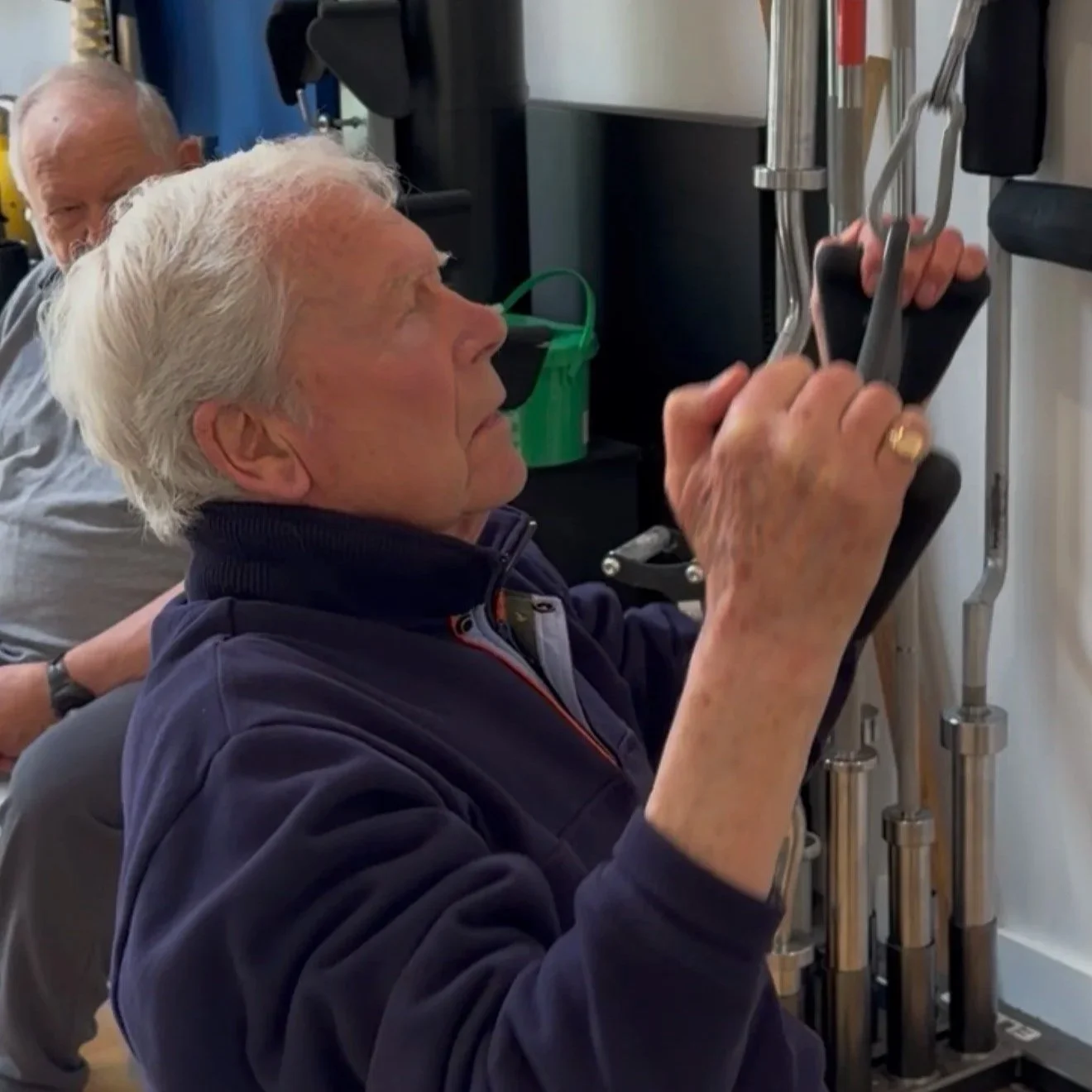
Ivan - Strength at 80: Why Independence Is Built, Not Preserved
Ivan, a retired Dartmouth businessman in his early 80s, trains twice a week with one clear goal, to remain independent. Through structured strength work, balance training and progressive loading, he proves that age does not prevent adaptation, only inaction does.
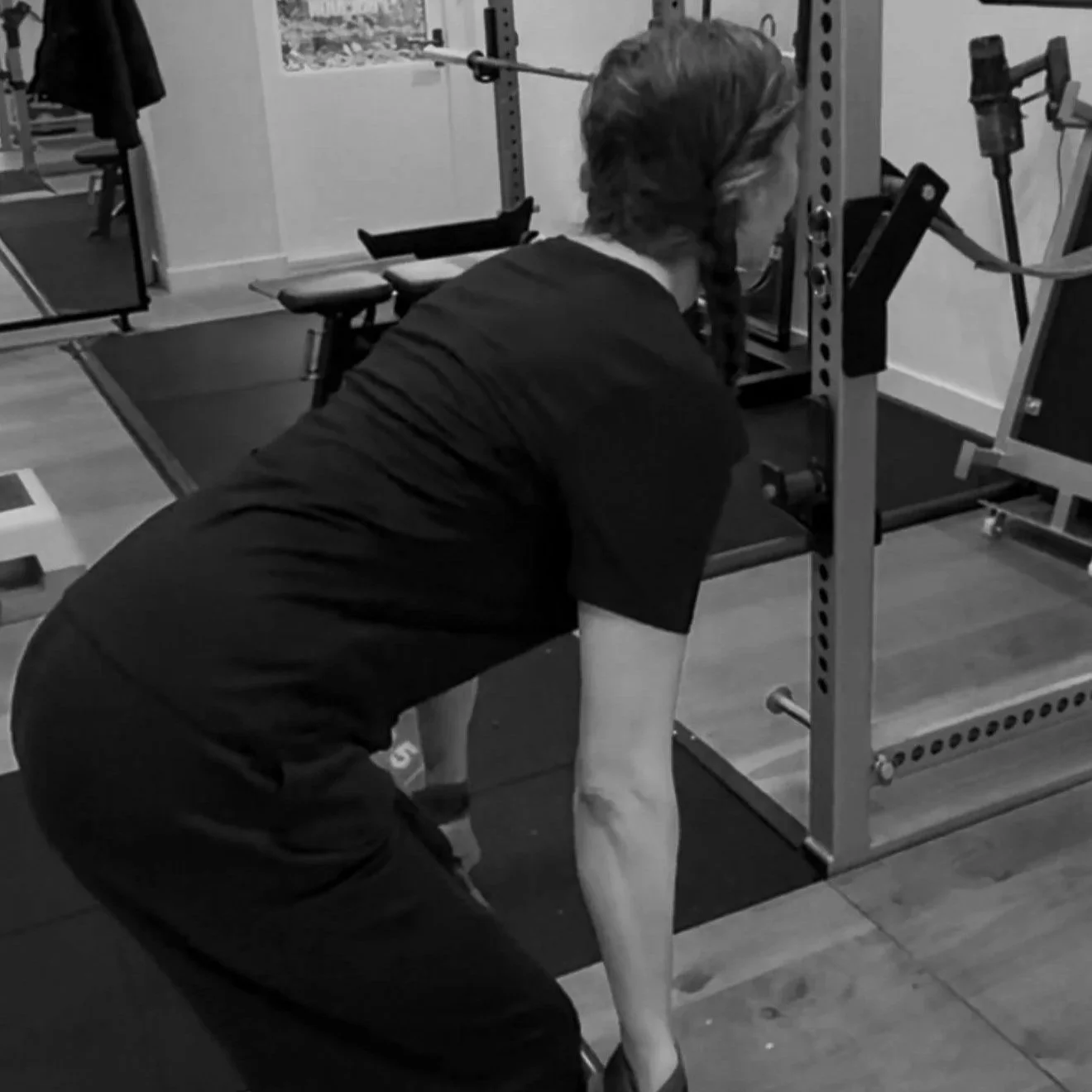
Lisa
Lisa joined Poseidon Performance in her mid 50s feeling unsure and apprehensive about strength training. Within weeks, her confidence transformed. Now lifting her own bodyweight for repetitions, she proves that it’s never too late to build real strength, resilience and self-belief.
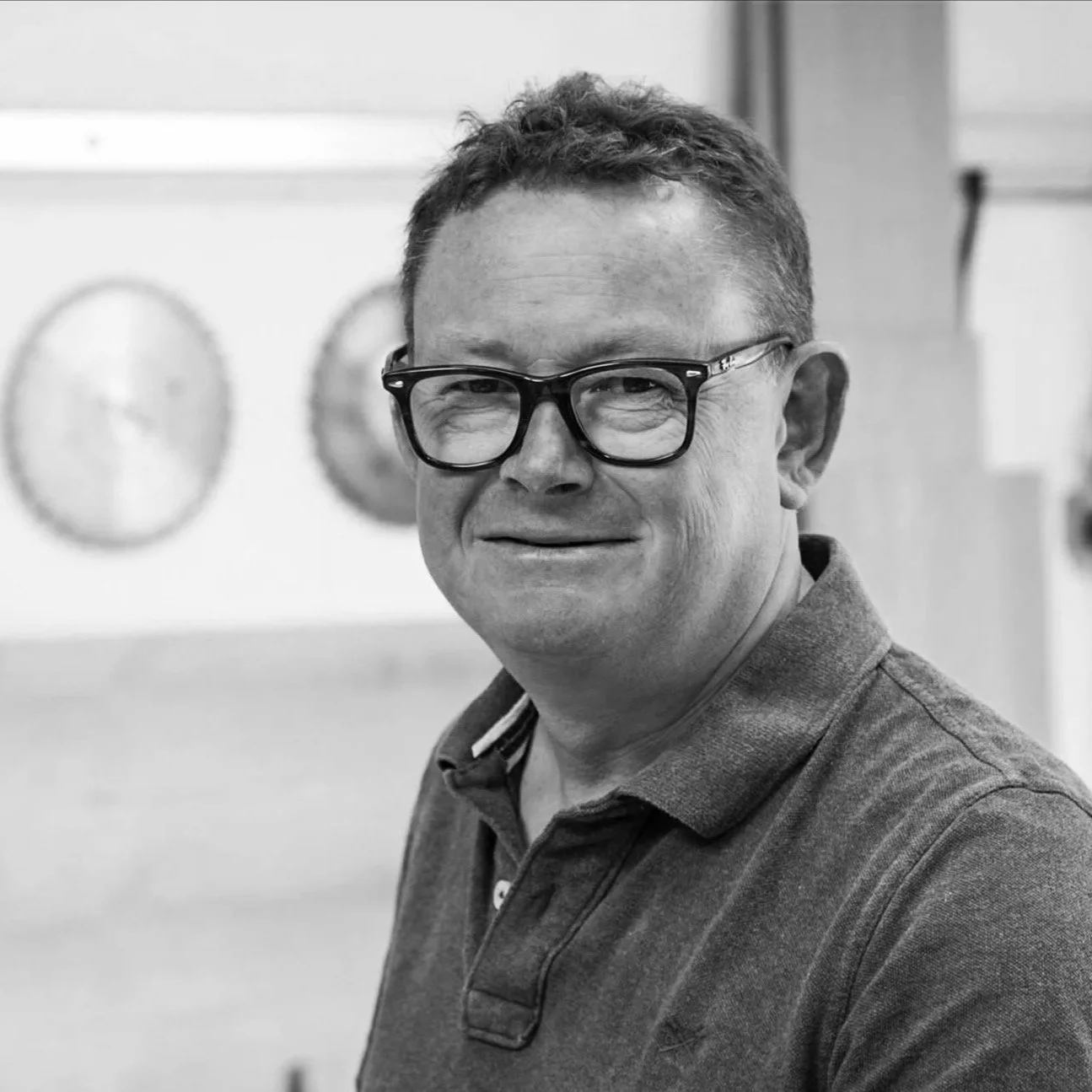
Dai Richards: Dartmouth Cabinet Makers
Dai Richards, a former rugby player and Dartmouth cabinet maker, began training at Poseidon Performance in October 2025 with one clear goal, rebuild his upper body strength. Through consistent, structured coaching, he doubled his pressing and pulling strength in under a year, improving not just his gym numbers but his resilience in daily life and work.
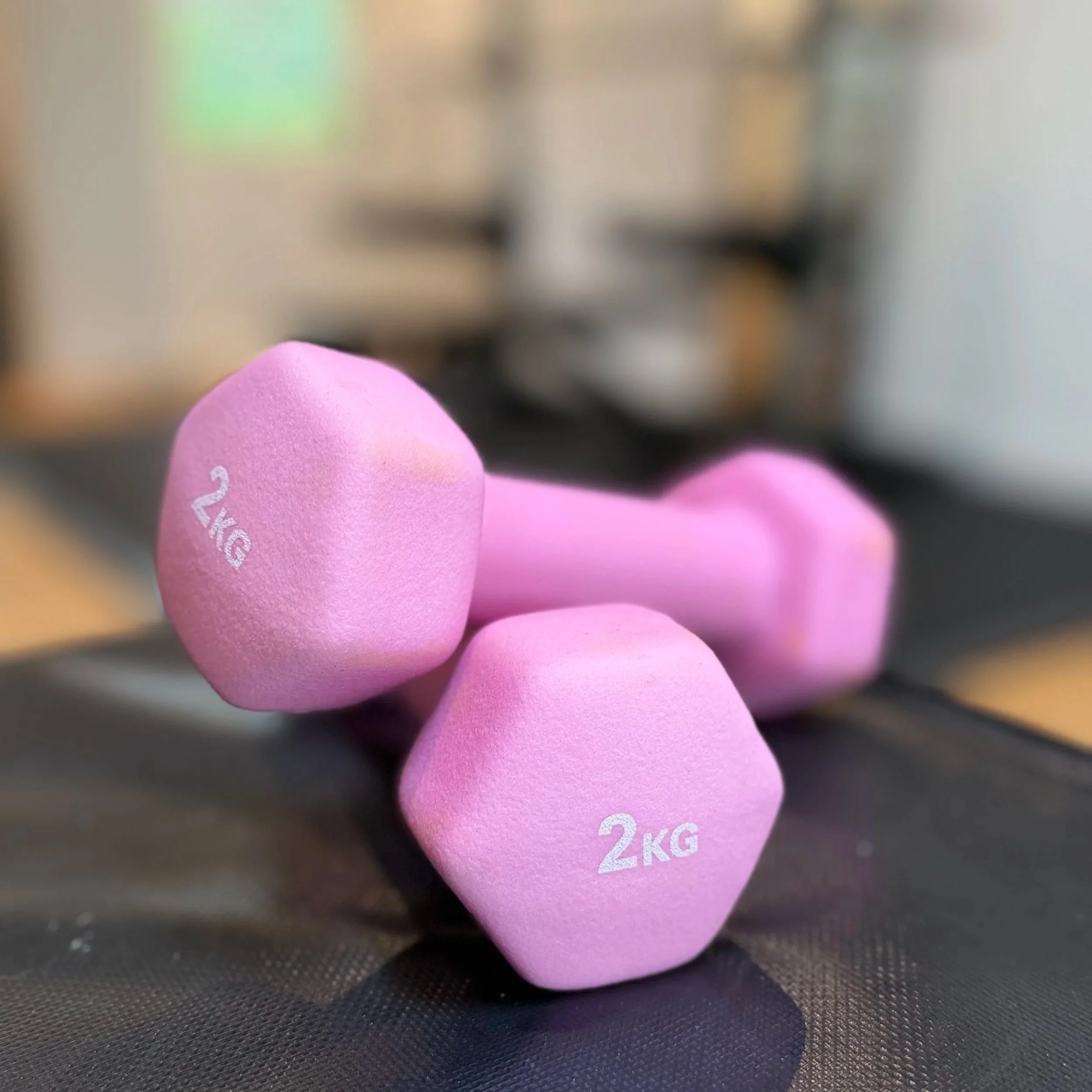
Strength Training for Women Over 50 in Dartmouth: Why Lifting Heavier Matters
Many women over 50 are still encouraged to lift light weights. After menopause, that approach is no longer sufficient. This article explains why progressive strength training is essential for bone density, fall prevention, and long-term independence — and how women in Dartmouth can train safely and effectively.

Training During Ramadan: How to Maintain Strength, Muscle and Performance While Fasting
Ramadan does not have to mean lost strength or muscle. After seven years coaching elite clients in Bahrain and Saudi Arabia — including royal and high-performance environments — this article outlines a professional framework for maintaining performance while fasting. Learn how to adjust training volume, manage hydration, protect sleep and structure nutrition so you exit Ramadan strong, not rebuilding from scratch.
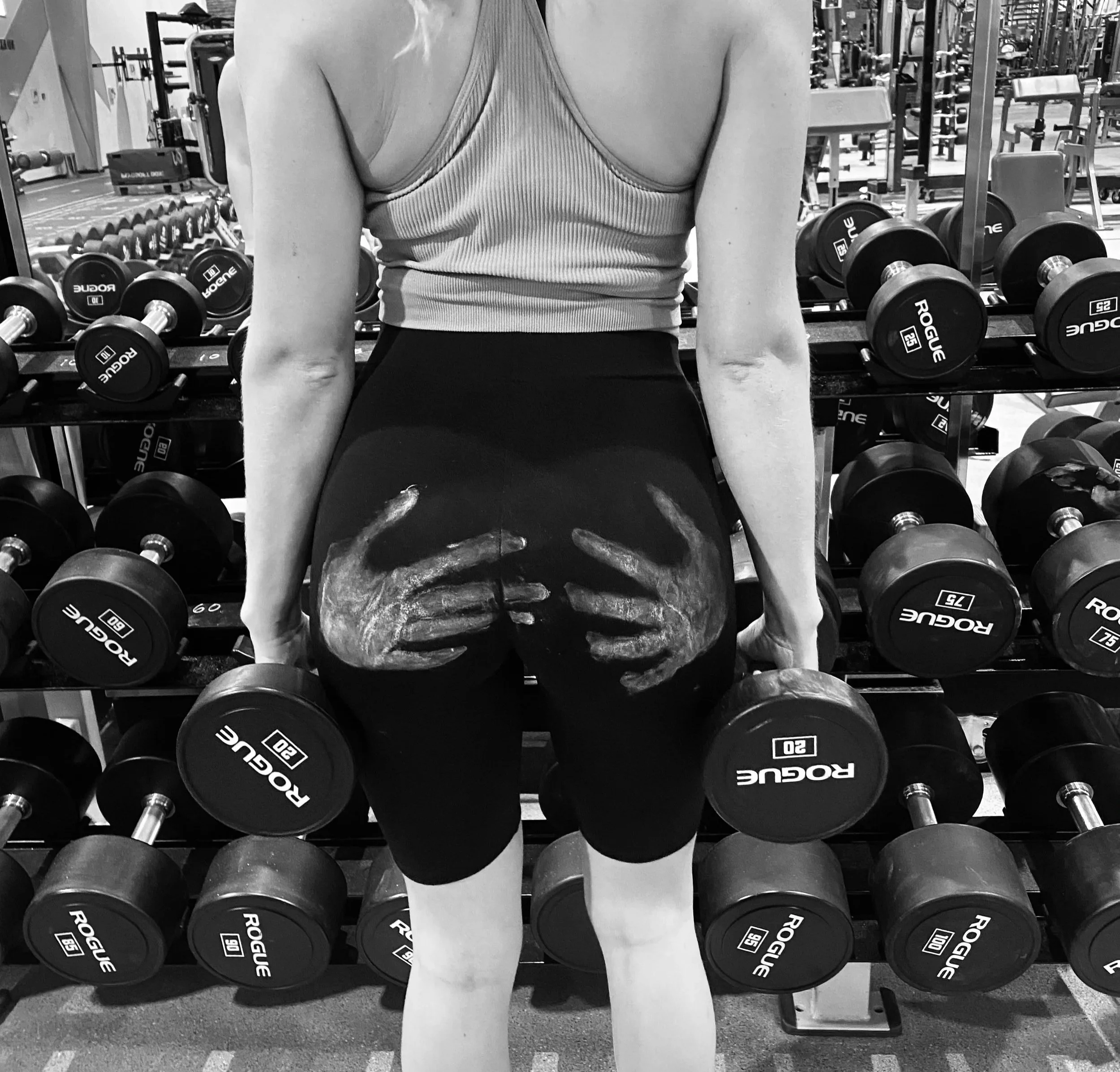
Train Your Glutes Properly - Or Accept the Consequences
Your glutes are the largest and most powerful muscle group in your body — and one of the most important for longevity. Properly loaded strength training improves metabolism, bone density, balance and independence. This isn’t about aesthetics. It’s about ageing strong, capable and resilient.
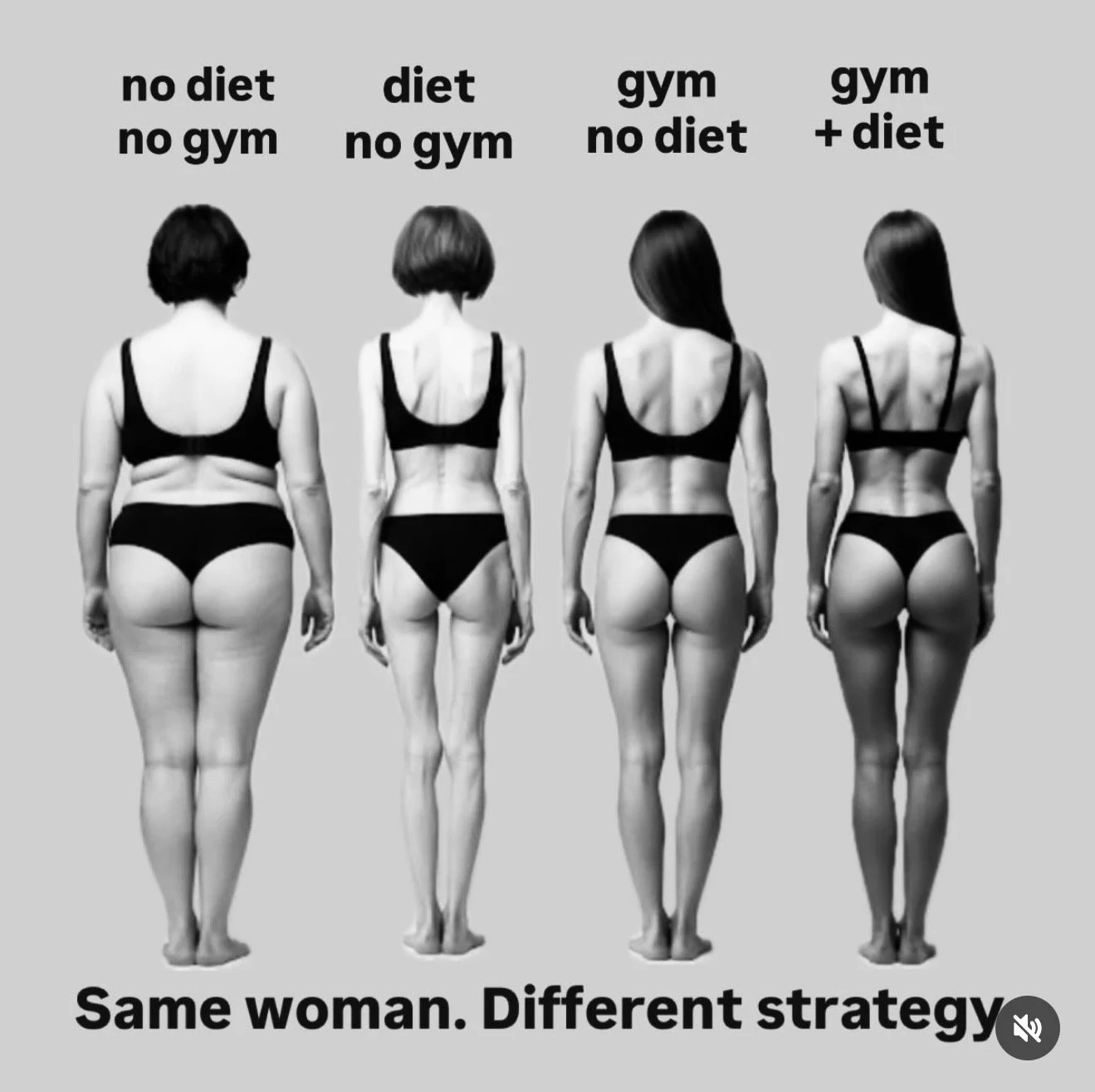
Same Body. Different Strategy. Why Strength Training Changes Everything
Dieting alone often leads to muscle loss, a slower metabolism, and results that don’t last. This article explains why structured strength training combined with intelligent nutrition is the most effective way to improve body composition and maintain long-term results.
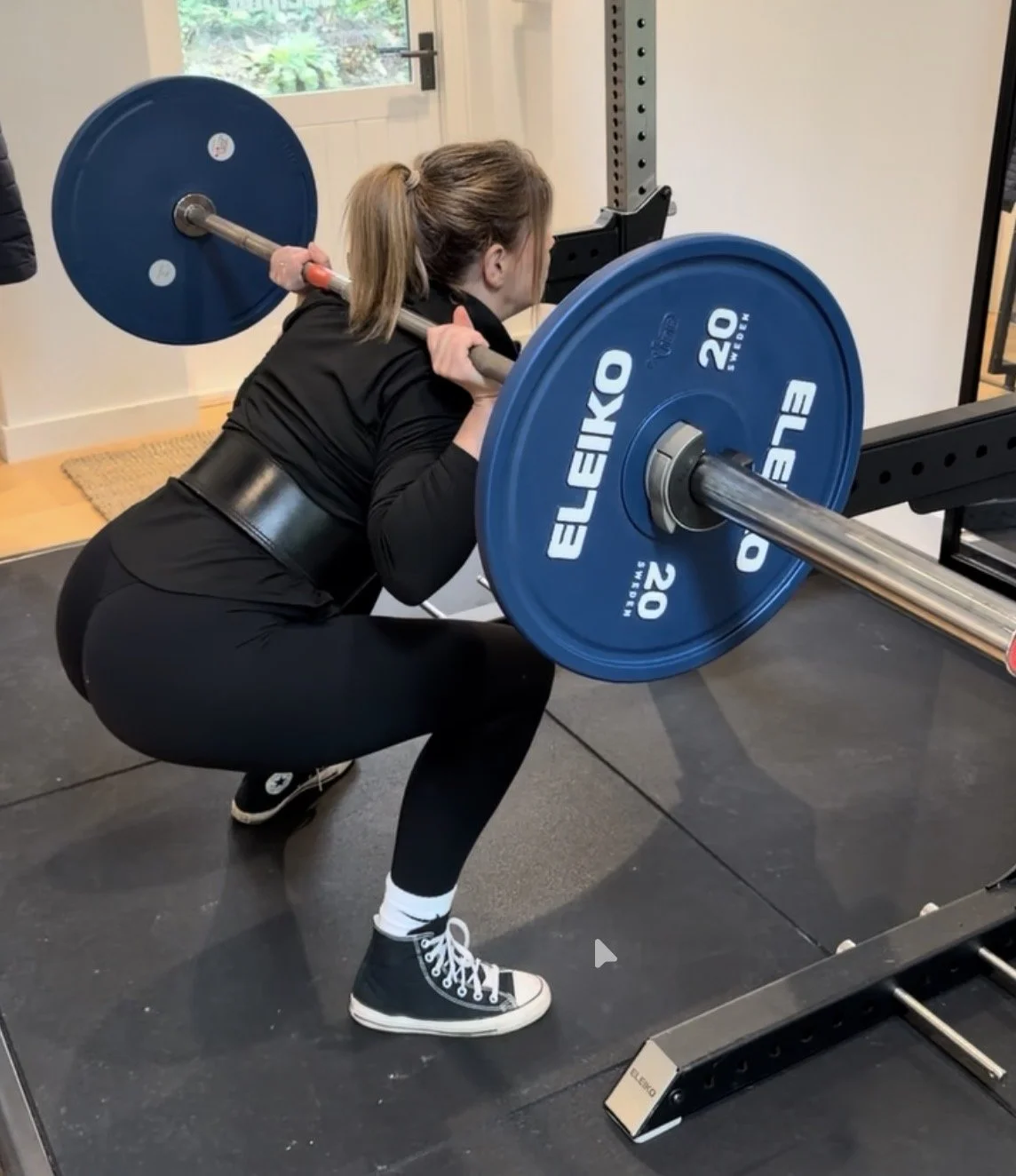
Why Strength Training Matters for Women’s Hormonal Health
Strength training isn’t just about muscle — it plays a key role in hormonal health, stress regulation, and long-term resilience. This article explains how resistance training supports estrogen balance, insulin sensitivity, menopause, and healthy ageing for women.
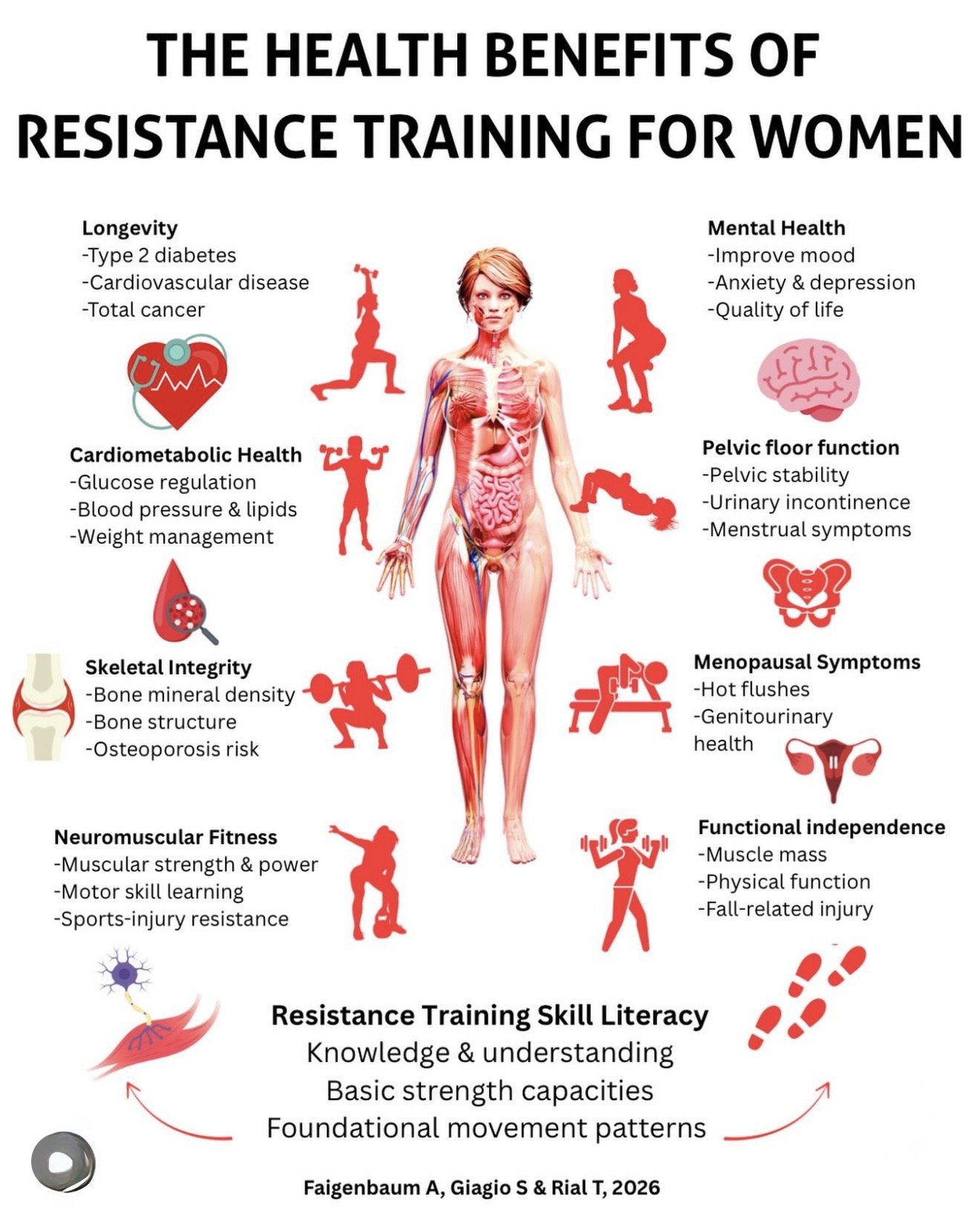
Why Resistance Training Is Non-Negotiable for Women’s Long-Term Health
Resistance training is one of the most powerful tools available to women for long-term health. From bone density and metabolic health to menopause, mental wellbeing, and independence, strength training supports healthspan at every stage of life — when it’s coached properly.
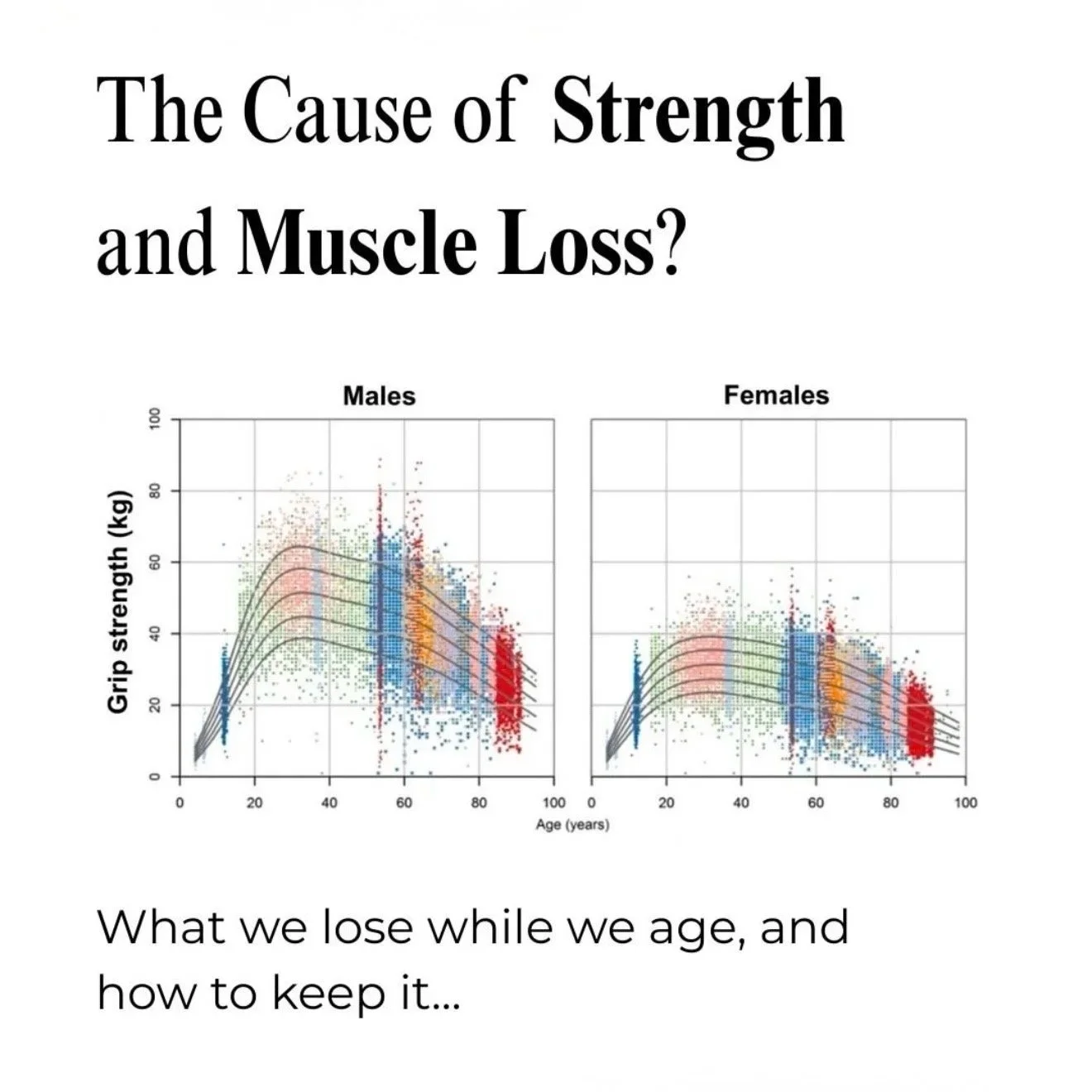
The Real Cause of Strength and Muscle Loss as We Age
Strength doesn’t disappear because of age — it fades when the stimulus does. Here’s what the science actually shows about muscle loss and how to slow it.
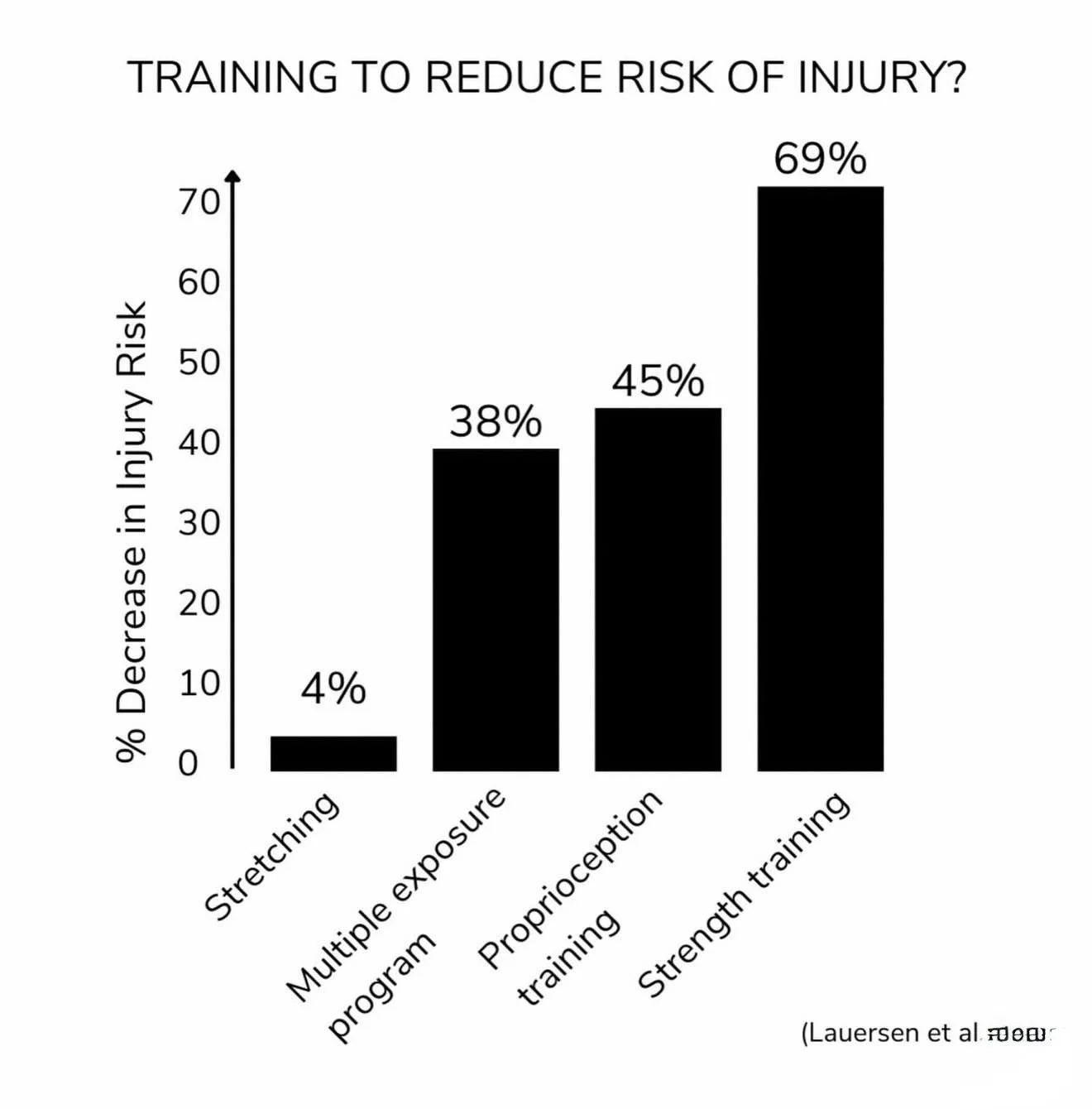
Strength Is Protective — But Only When It’s Trained Properly
Injury prevention isn’t about avoiding load — it’s about building capacity. Strength training consistently outperforms stretching, balance work, and corrective exercise for reducing injury risk. Here’s what the research actually shows, and why strength only becomes protective when it’s trained intelligently.
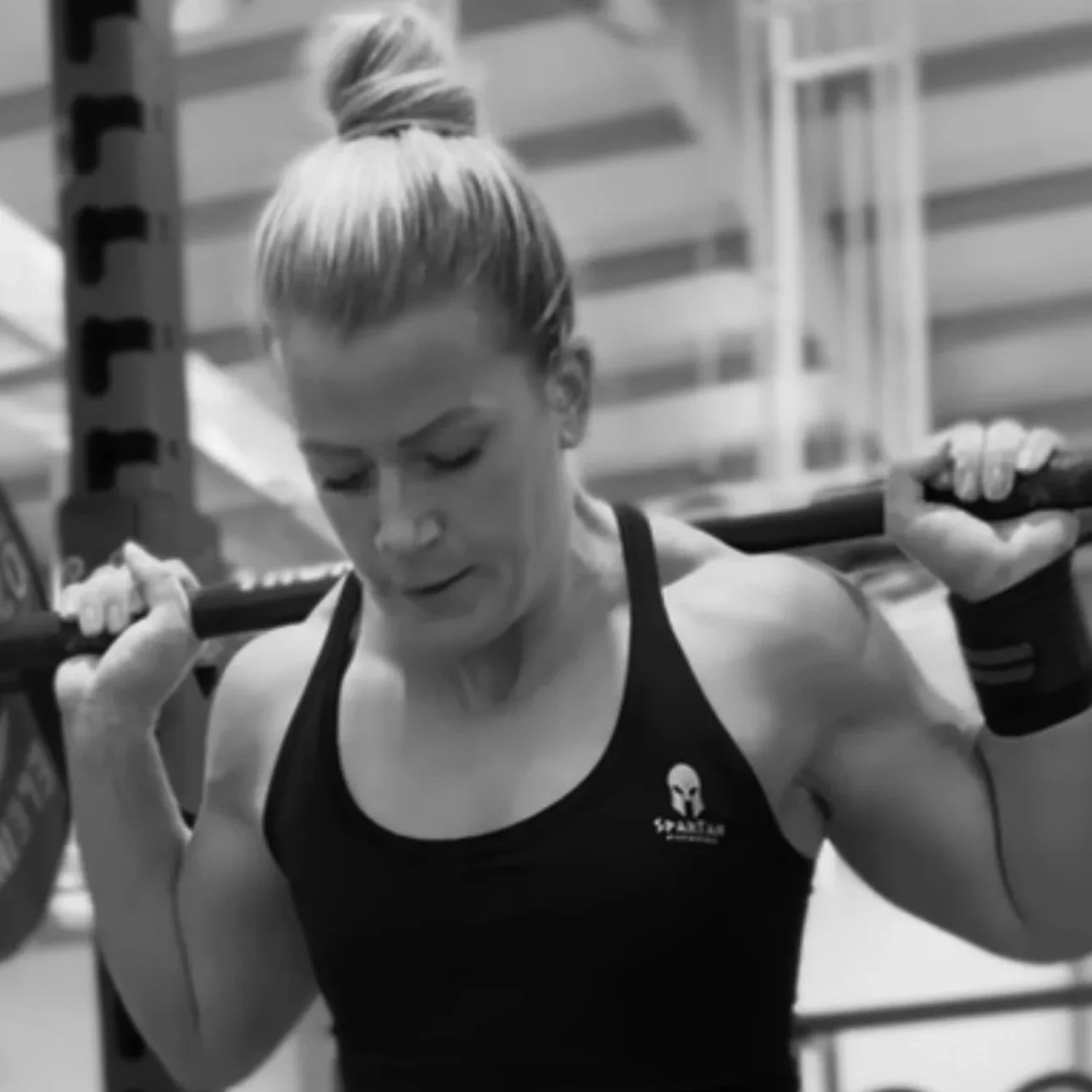
Should Women Train Differently to Men?
Should women train differently to men? Short answer: no. Long answer: anatomy, biomechanics, and physiology don’t change based on sex. This article cuts through fitness myths to explain how women should really be trained—intelligently, progressively, and without marketing-driven compromises.

Heat Beats Ice for Recovery: Why Warmth Aligns With Basic Human Physiology
Ice baths look disciplined, but recovery isn’t about toughness. It’s about physiology. This article explains why warmth supports blood flow, cellular repair, and nervous system recovery better than cold for most people, most of the time.

Does Training Together Improve Relationships — Or Just Expose the Cracks?
Training together doesn’t fix relationships.
It regulates nervous systems.
When couples train properly — with structure, boundaries, and coaching — they leave calmer, more patient, and less reactive. When they don’t, training simply exposes the cracks.
This article explains why shared training works, why it often fails, and how to do it properly.
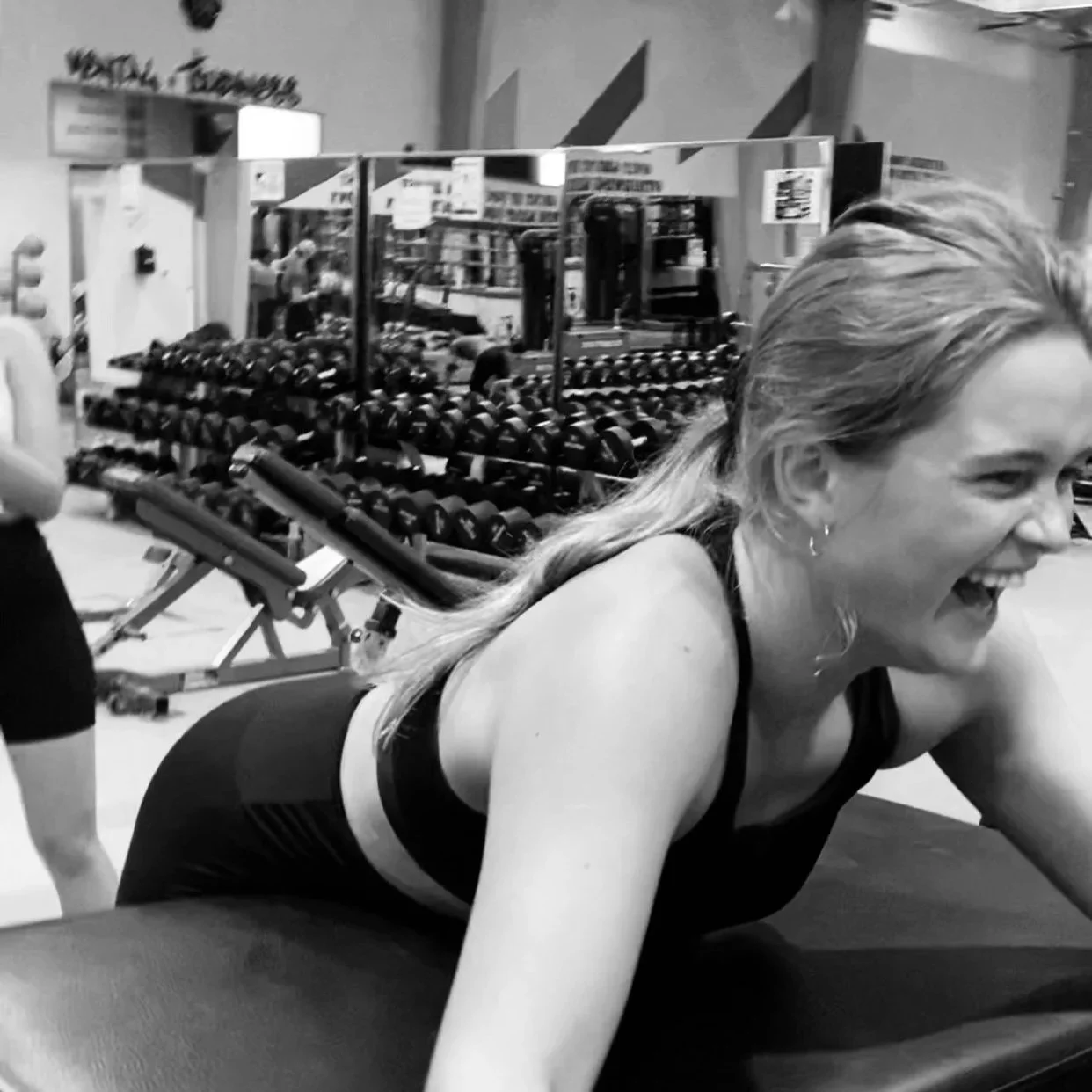
Balance Isn’t Progress: Why Feeling Good Isn’t the Same as Getting Better
Balance is often mistaken for progress in modern fitness. But without clear objectives, progressive demand, and adaptation, feeling good simply maintains the status quo. This article explains why balance is a tool - not the goal - and how intentional training builds real resilience over time.
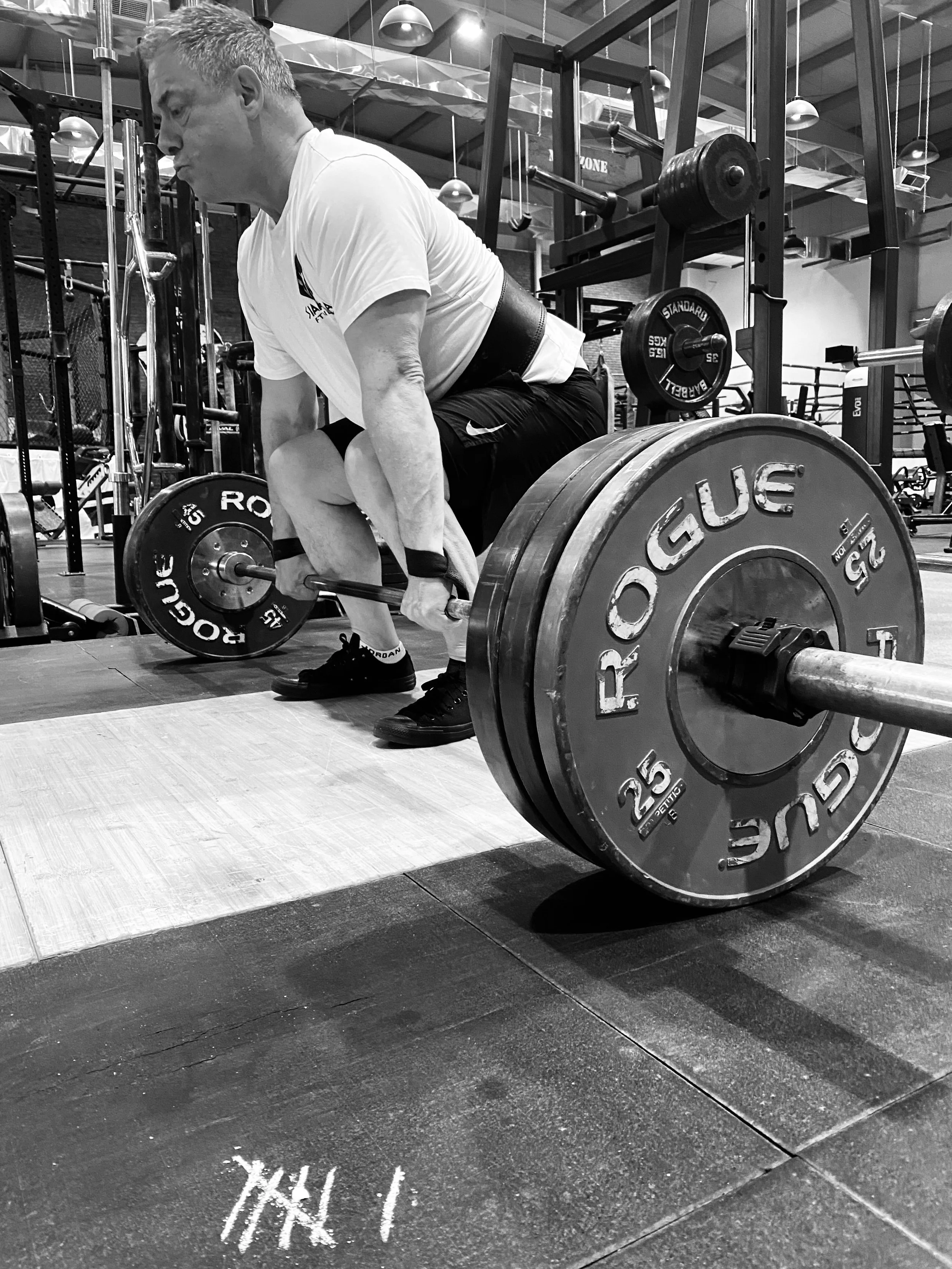
The Fastest Way to Age Is to Get Weak
Ageing doesn’t begin with wrinkles, it begins with weakness. Loss of strength drives poor health, injury risk, and loss of independence. Strength training is the antidote.
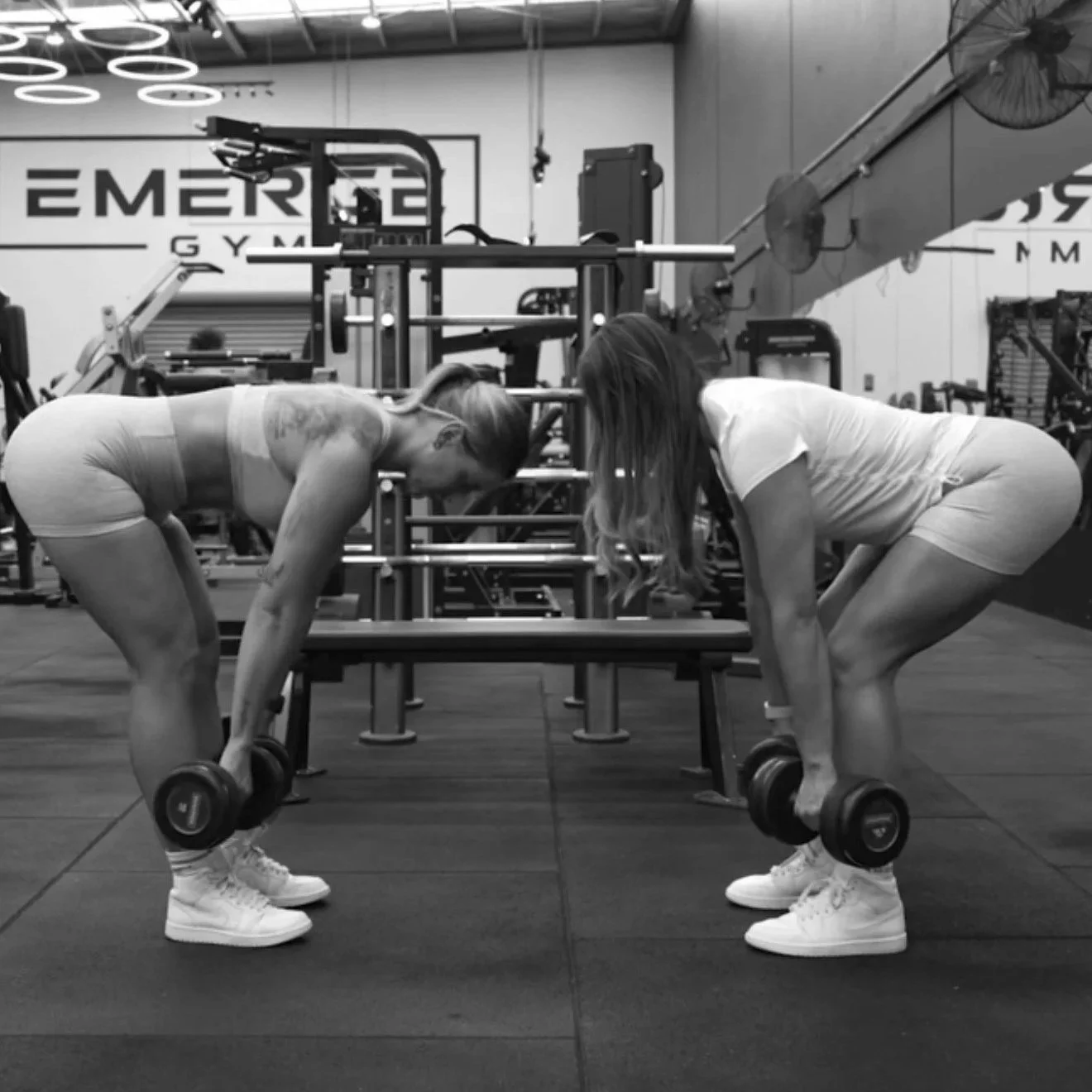
Stop Believing These RDL vs SLDL Instagram Reels
If Instagram has taught you that RDLs train glutes and SLDLs train hamstrings, you’ve been misled.
These reels aren’t coaching. They’re content.
Changing your posture slightly, sticking your bum out more, or adding muscle overlays does not magically switch muscles on and off. If your knees are mostly straight and you hinge at the hips, your hamstrings are working — every time.
The idea that pelvic tilt or “hip drive” cues can turn a deadlift variation into a glute-only exercise is biomechanically false. It looks convincing on camera, but it doesn’t change how your body actually produces force.
This article breaks down why the RDL vs SLDL advice flooding Instagram is oversimplified, misleading, and a perfect example of how fitness content has replaced competent coaching.

